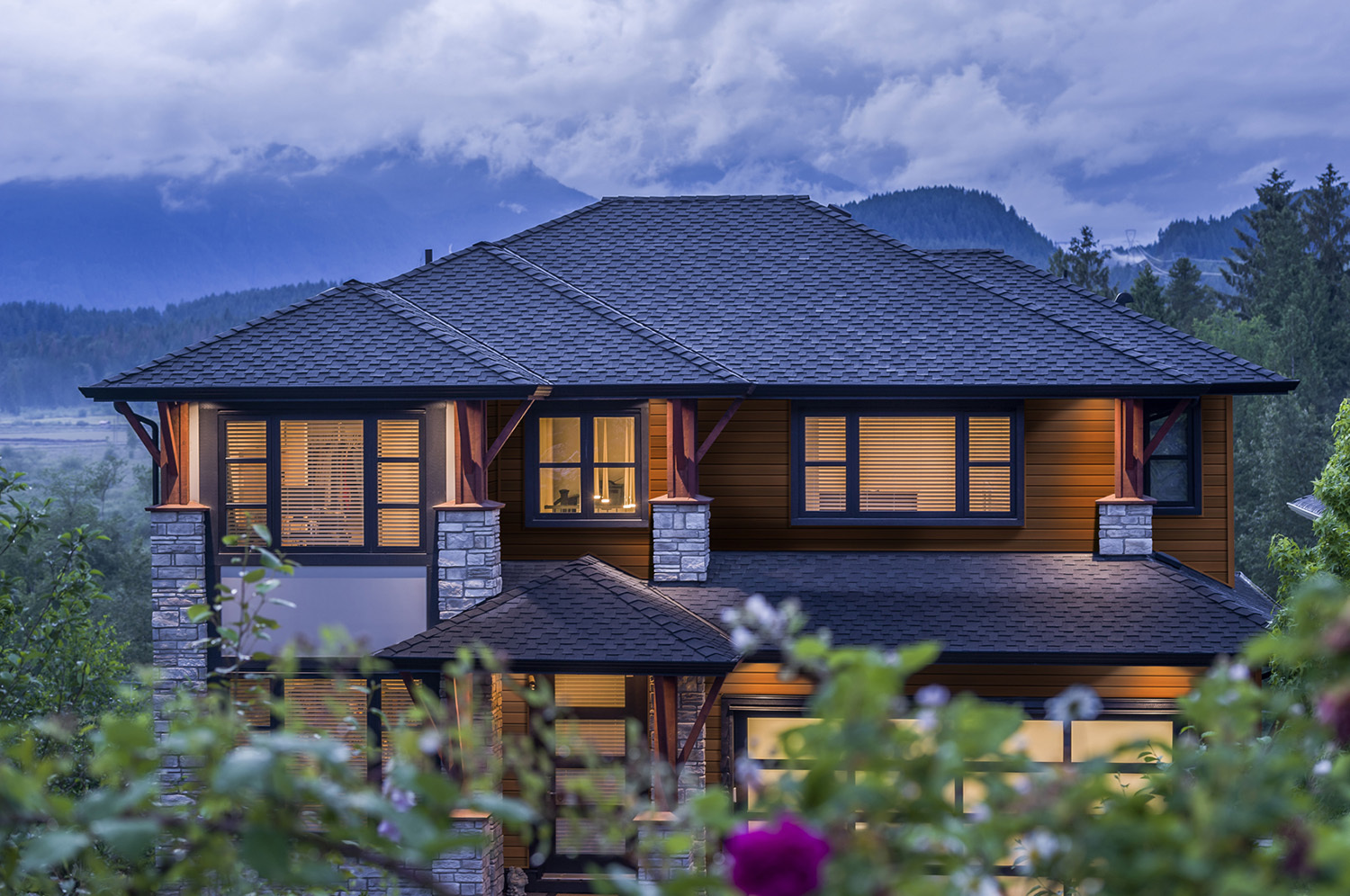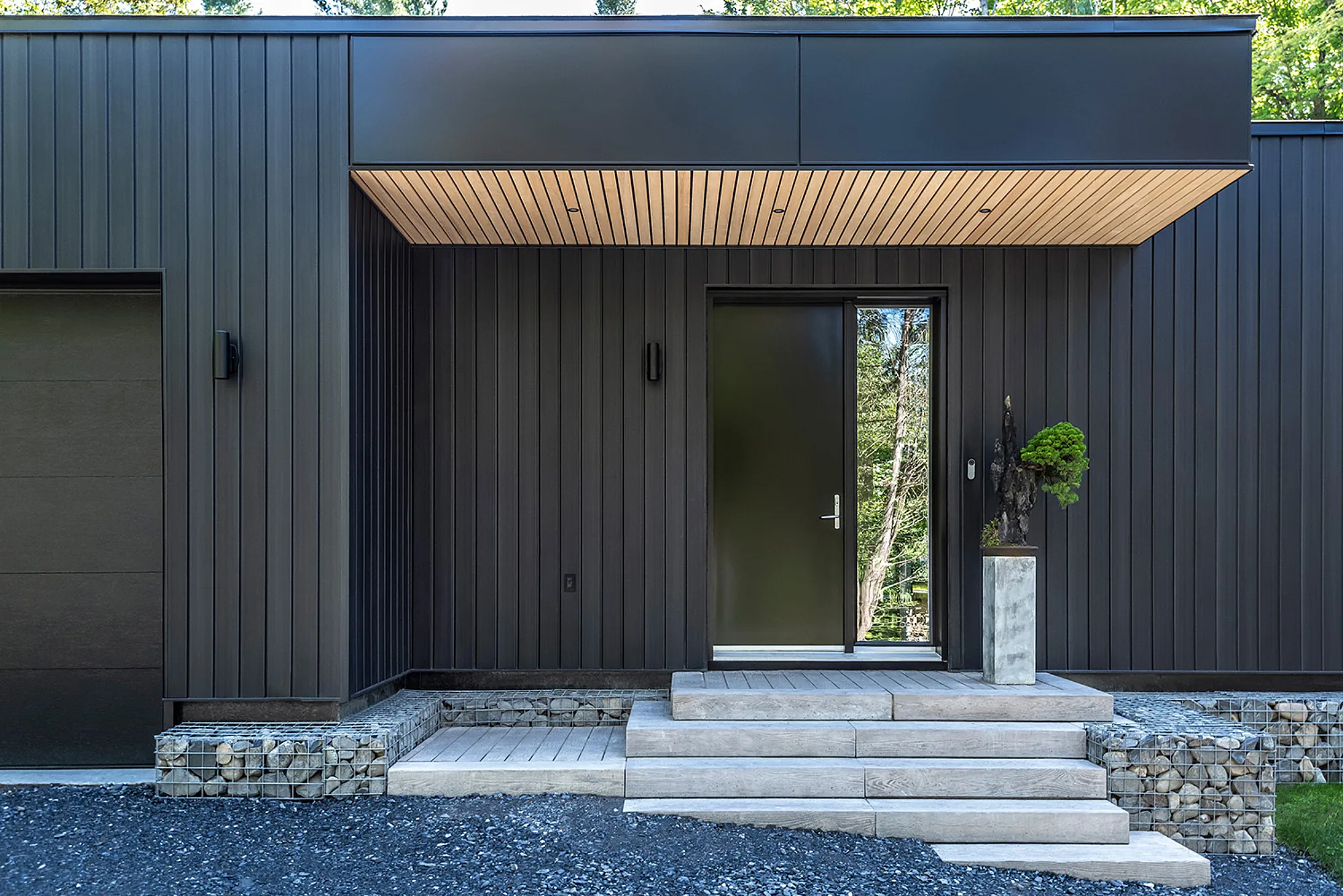
Changing a home’s exterior cladding is often an inevitable step. After many years, façades begin to show signs of wear such as cracks, fading, water infiltration, or maintenance that has become too demanding. For some homeowners, it is also an opportunity to modernize the appearance of their home and enhance its aesthetic value.
When making this decision, one question always arises: which material should be chosen to replace the exterior cladding? Wood, vinyl, steel, fiber cement - there are many options, but not all are equal. Today, more and more architects, designers, and homeowners are turning to aluminum, a material that combines lightness, durability, modern appeal, and environmental responsibility.
Exterior cladding has a limited lifespan, which varies depending on the material chosen and exposure to weather conditions. Here are a few signs that indicate it’s time to plan a replacement:
- Significant fading: Vinyl often loses its original color after years of sun exposure.
- Cracks and warping: Wood and fiber cement react poorly to moisture and freeze–thaw cycles.
- Water infiltration: A damaged façade can compromise insulation and cause structural damage.
- Excessive maintenance: Repainting or re-caulking becomes an endless cycle with certain materials.
Beyond the technical issues, exterior cladding in poor condition reduces property value and negatively affects the home’s overall appearance. Replacing exterior cladding is therefore a matter of protection, comfort, and aesthetic enhancement.
When Should You Consider Replacing Your Exterior Cladding?
Exterior cladding has a limited lifespan, which varies depending on the material chosen and exposure to weather conditions. Here are some signs that indicate it’s time to plan a replacement:
- Significant fading: Vinyl often loses its color after years of sun exposure.
- Cracks and warping: Wood and fiber cement react poorly to moisture and freeze–thaw cycles.
- Water infiltration: A damaged façade can compromise insulation and cause structural damage.
- Excessive maintenance: Repainting or re-caulking becomes an endless cycle with certain materials.
Beyond the technical aspect, exterior cladding in poor condition reduces property value and detracts from the home’s overall appearance. Replacing cladding is therefore a matter of protection, comfort, and aesthetic enhancement.
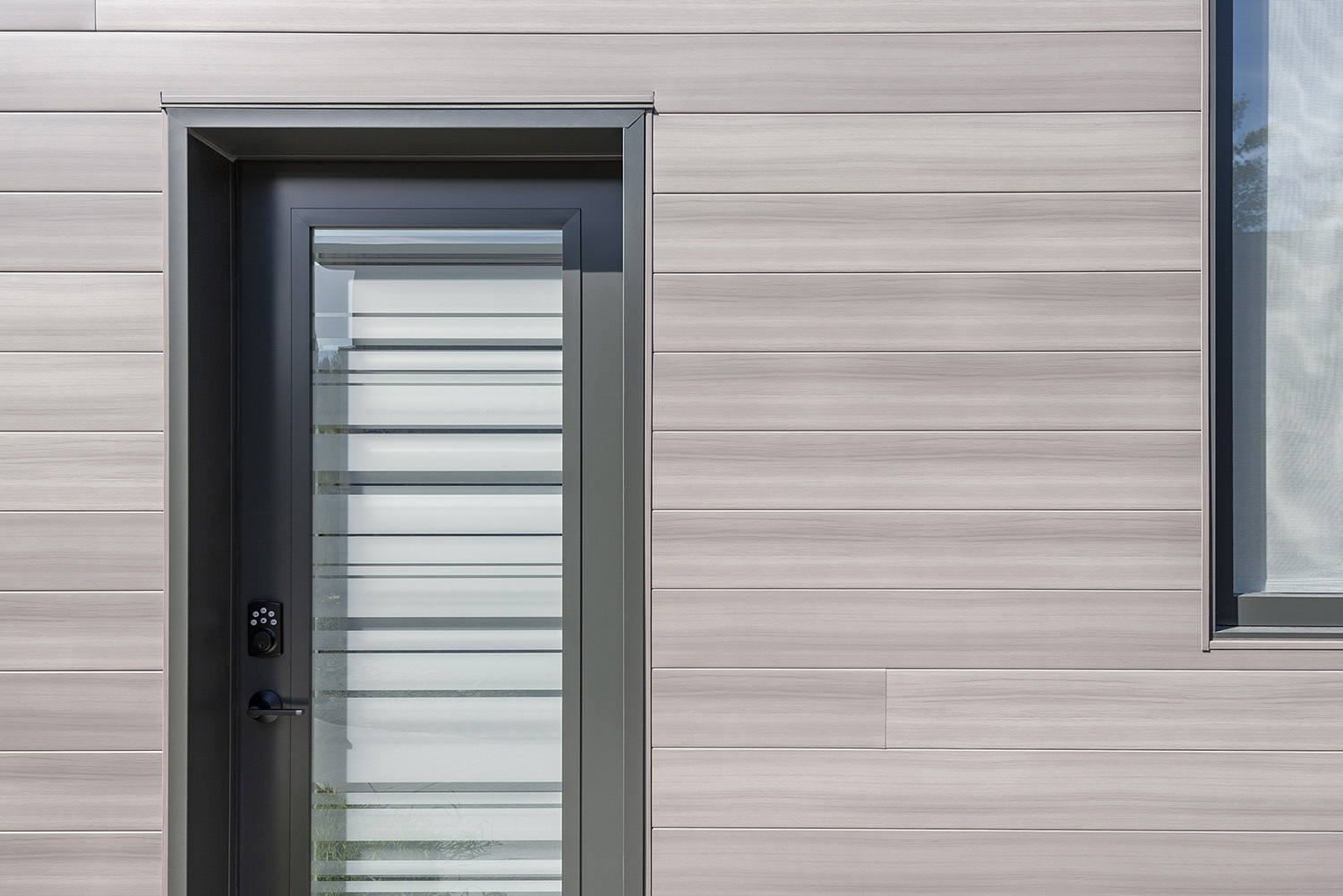
Aluminum: A Modern and Durable Choice for Replacing Your Exterior Cladding
When it comes time to replace exterior cladding, many homeowners hesitate between several traditional materials. Wood appeals for its natural charm, but it deteriorates quickly, requires constant maintenance, and often cracks due to weather conditions. Vinyl attracts attention for its affordability, but it fades quickly, is poorly fire-resistant, and is not very eco-friendly. Steel is certainly strong, but it is heavy, difficult to install, and labor costs are higher. Against these options, aluminum stands out as a solution that combines the best of all worlds.
In addition to its proven strength, aluminum offers an aesthetic that suits both modern homes and more traditional constructions. Its textured finishes and wide range of colors allow for elegant, contemporary façades without compromising durability. Many architects and designers now favor it in their projects, as it perfectly balances style and technical performance.
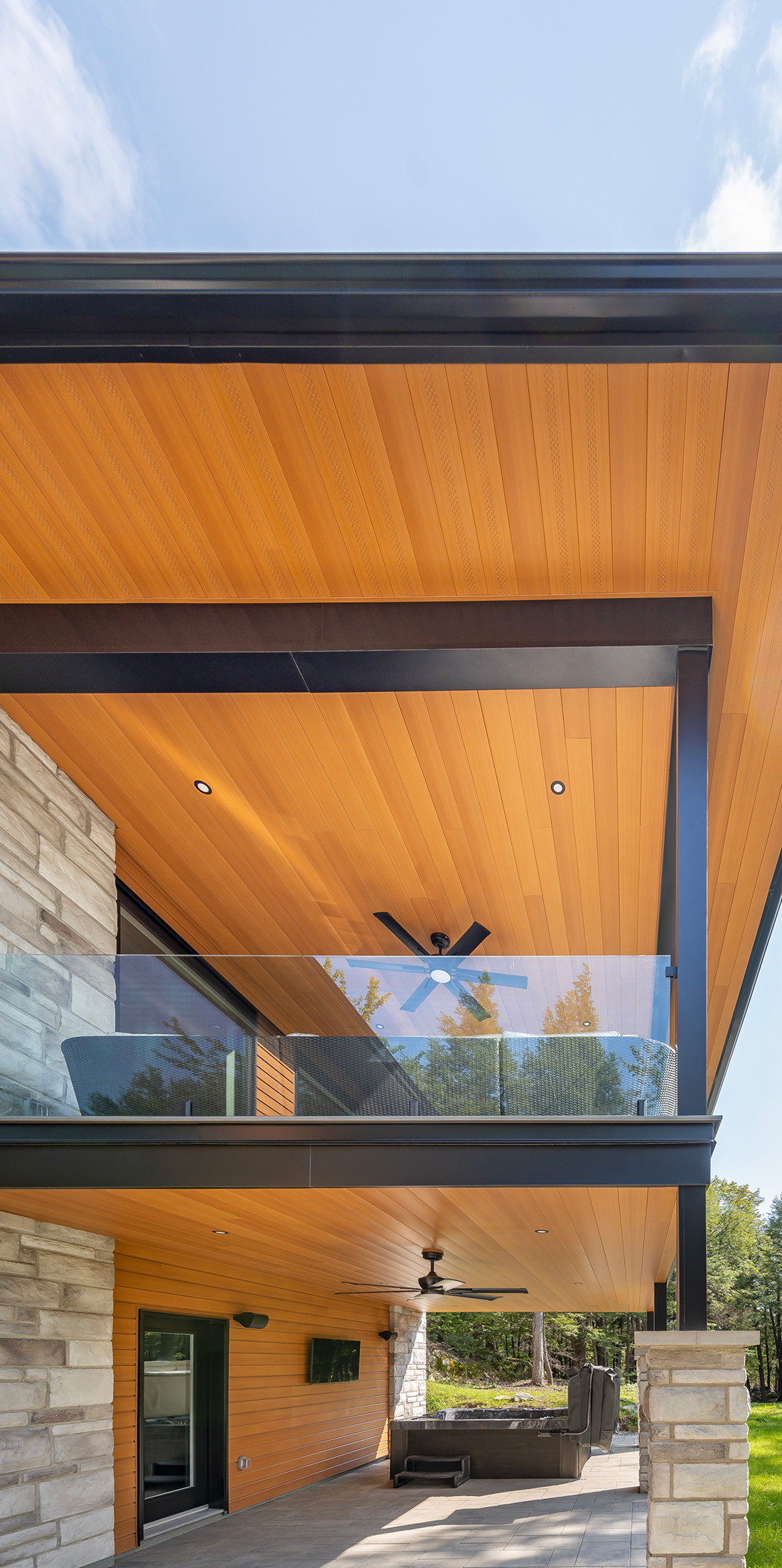
A Lightweight and Durable Material
One of aluminum’s major advantages when it comes to replacing exterior cladding is its light weight. Unlike steel or engineered wood, which can significantly burden a project, aluminum is easy to handle, even in long panels. This makes transportation simpler, speeds up installation, and reduces the physical effort required during the process. Yet this lightness in no way compromises its strength. On the contrary, aluminum withstands strong winds, impacts, and the repeated freeze–thaw cycles that challenge façades across Quebec and Canada.
For contractors, this material offers significant time savings and, therefore, lower labor costs. For homeowners, it ensures a faster, less demanding project while providing a durable and robust façade. Replacing cladding thus becomes a simpler and more accessible project without compromising quality or longevity.
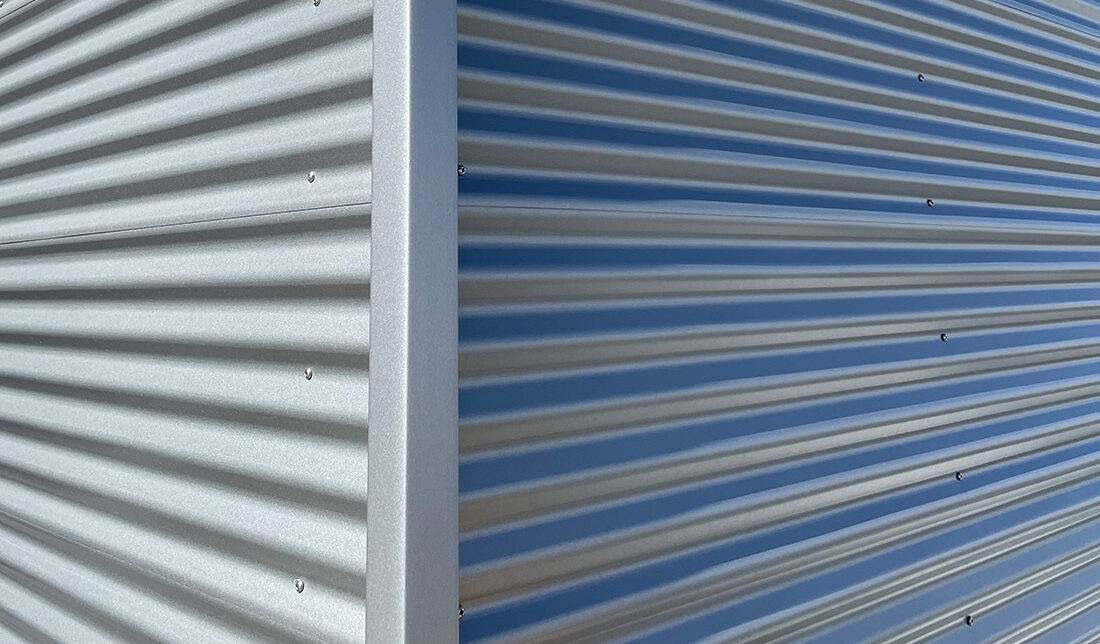
An Elegant and Timeless Façade
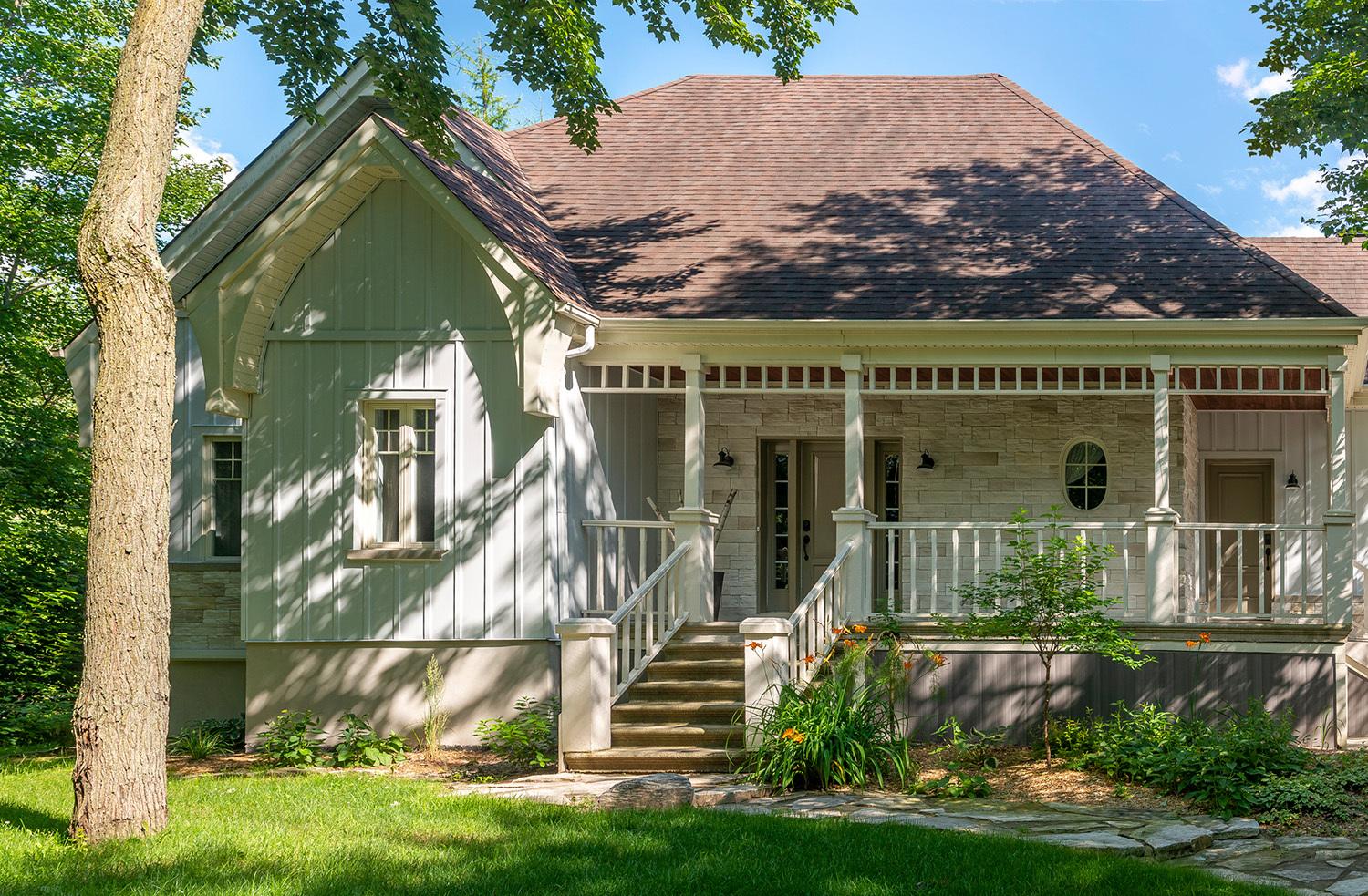
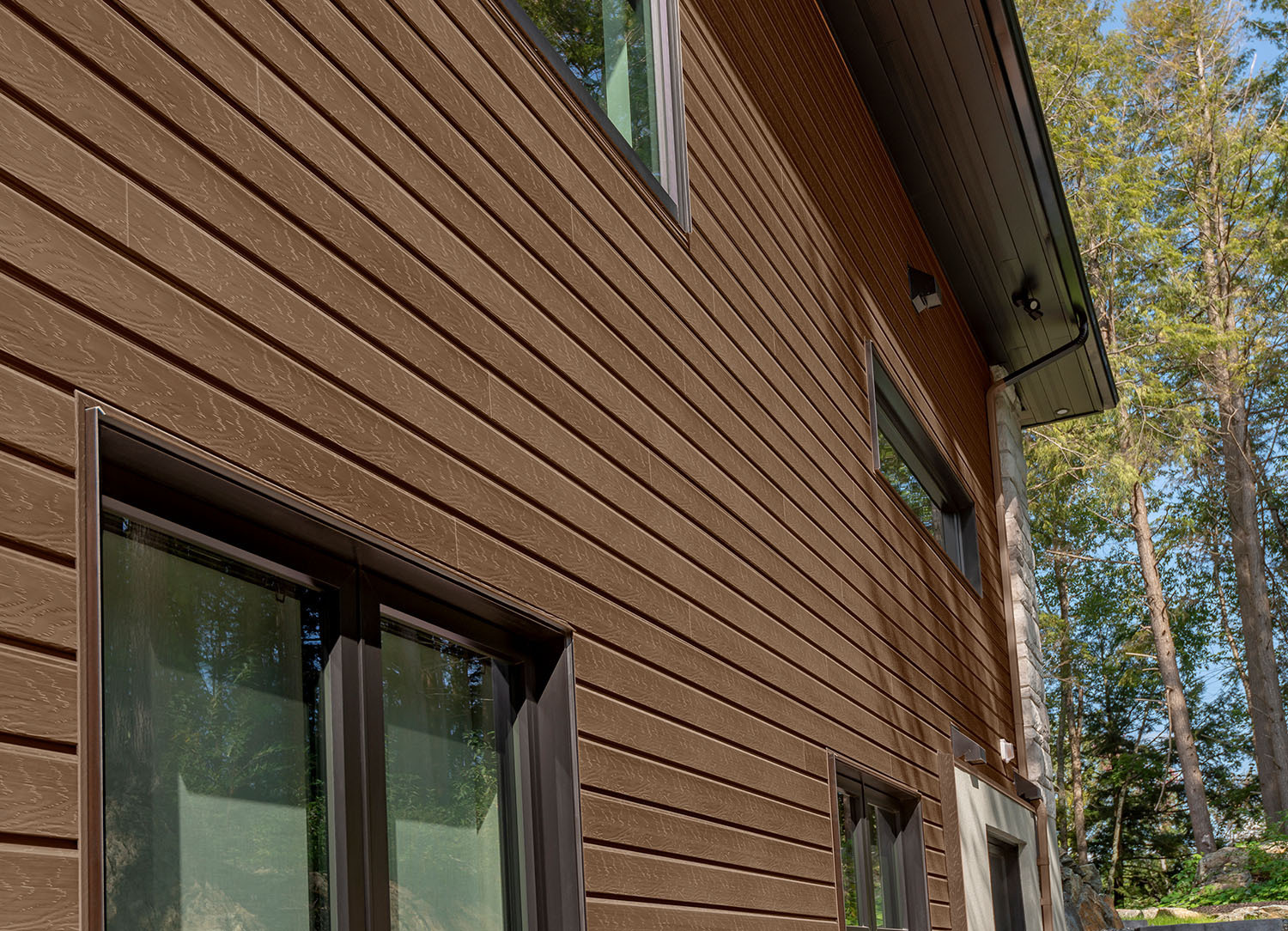
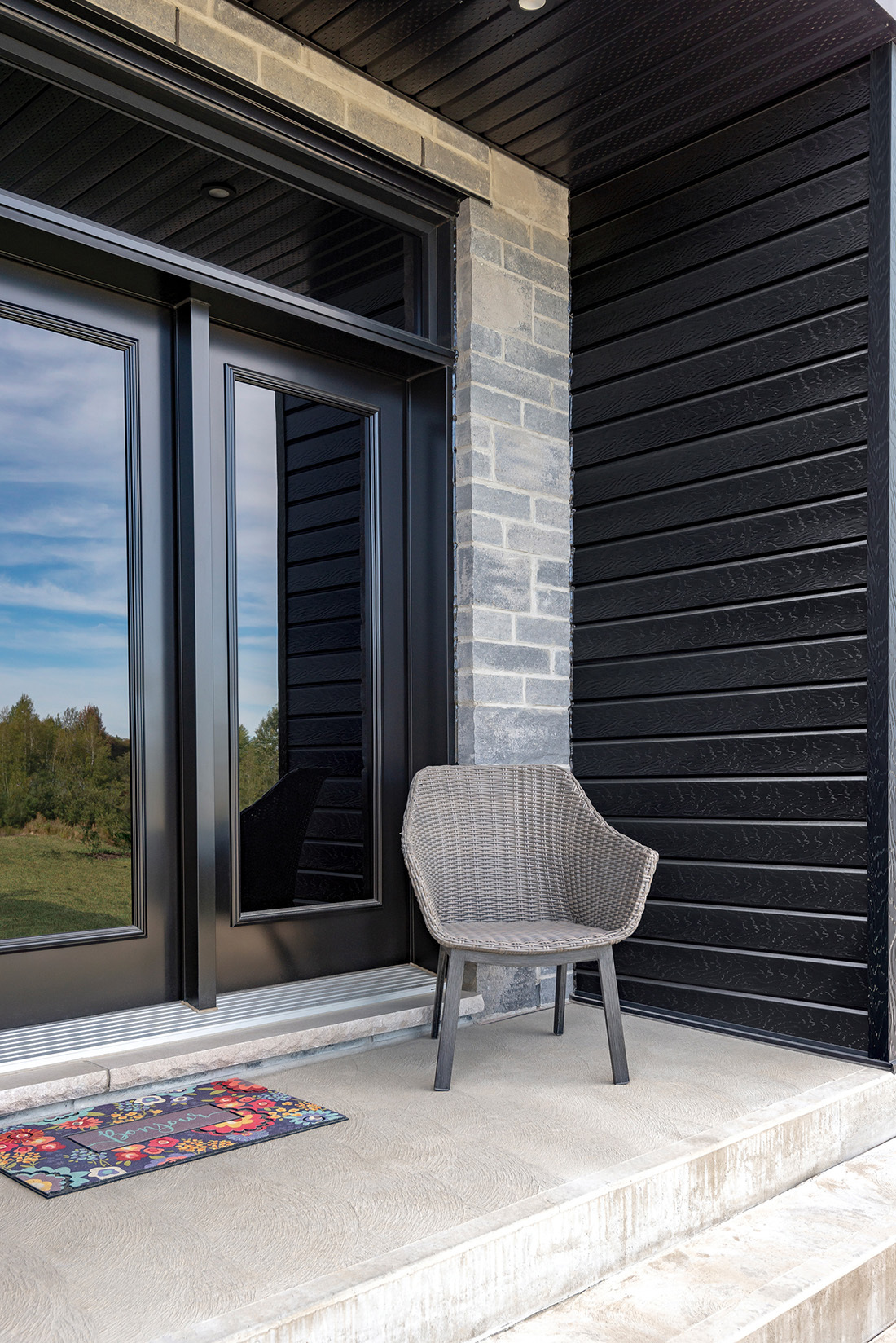
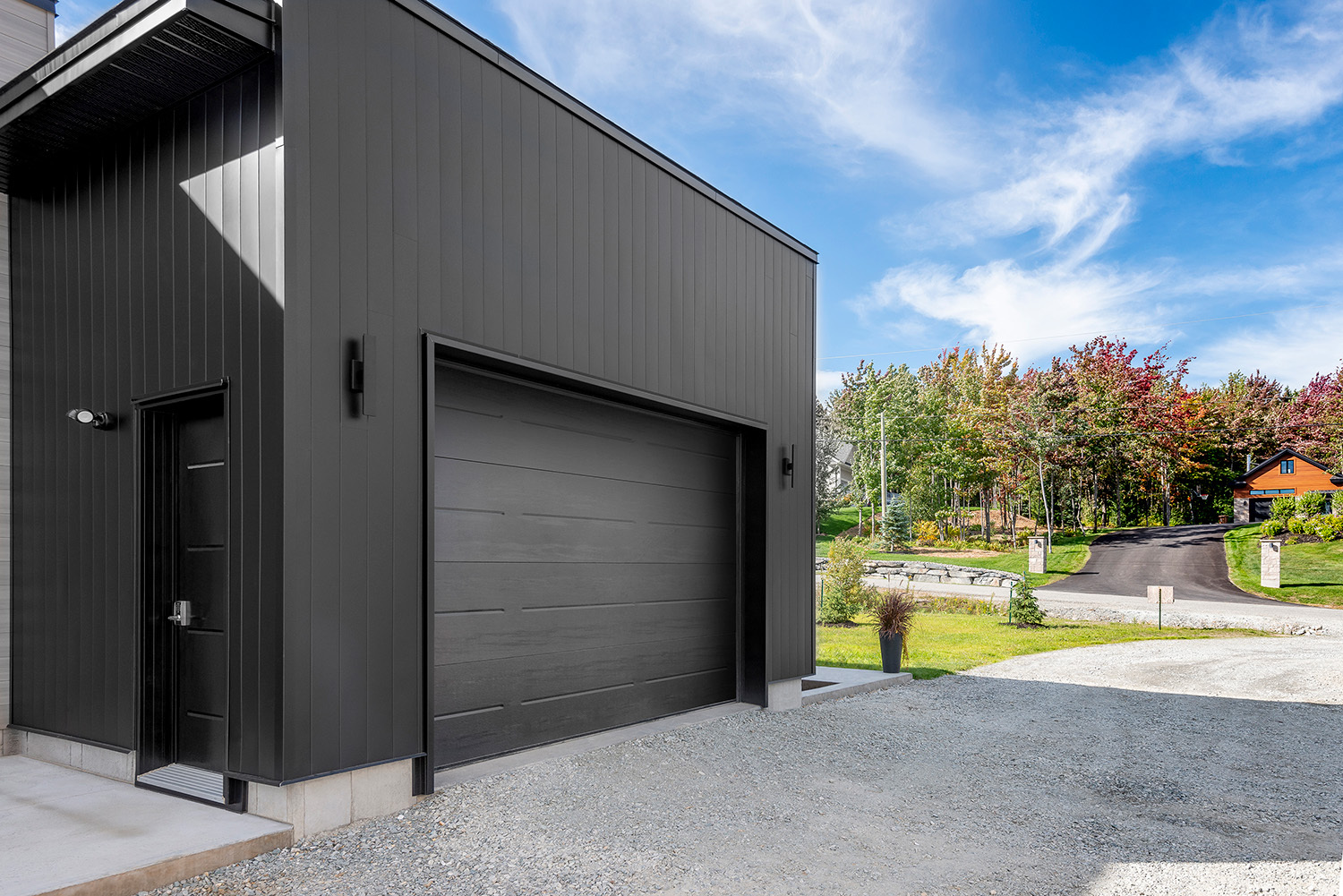
Replacing exterior cladding isn’t just a technical decision—it’s also an opportunity to give your home a renewed personality. This is where aluminum truly shines. Thanks to modern finishing technologies, it can take on a wide variety of textures and colors. You can enjoy a finish that perfectly mimics the look of wood, with its tones and grain, but without the maintenance constraints across all our collections. For a modern take on the farmhouse style, the Bolton collection offers vertical Board & Batten siding that blends tradition and contemporary design. Meanwhile, the Tiago collection features modern hues and matte or textured finishes, ideal for giving façades a sleek, modern appearance.
This versatility makes aluminum an ideal material for homeowners who want to maintain a traditional style as well as those seeking a bold, contemporary look. Paired with stone or masonry brick, it allows for rich, unique façades that withstand trends while keeping their elegance.
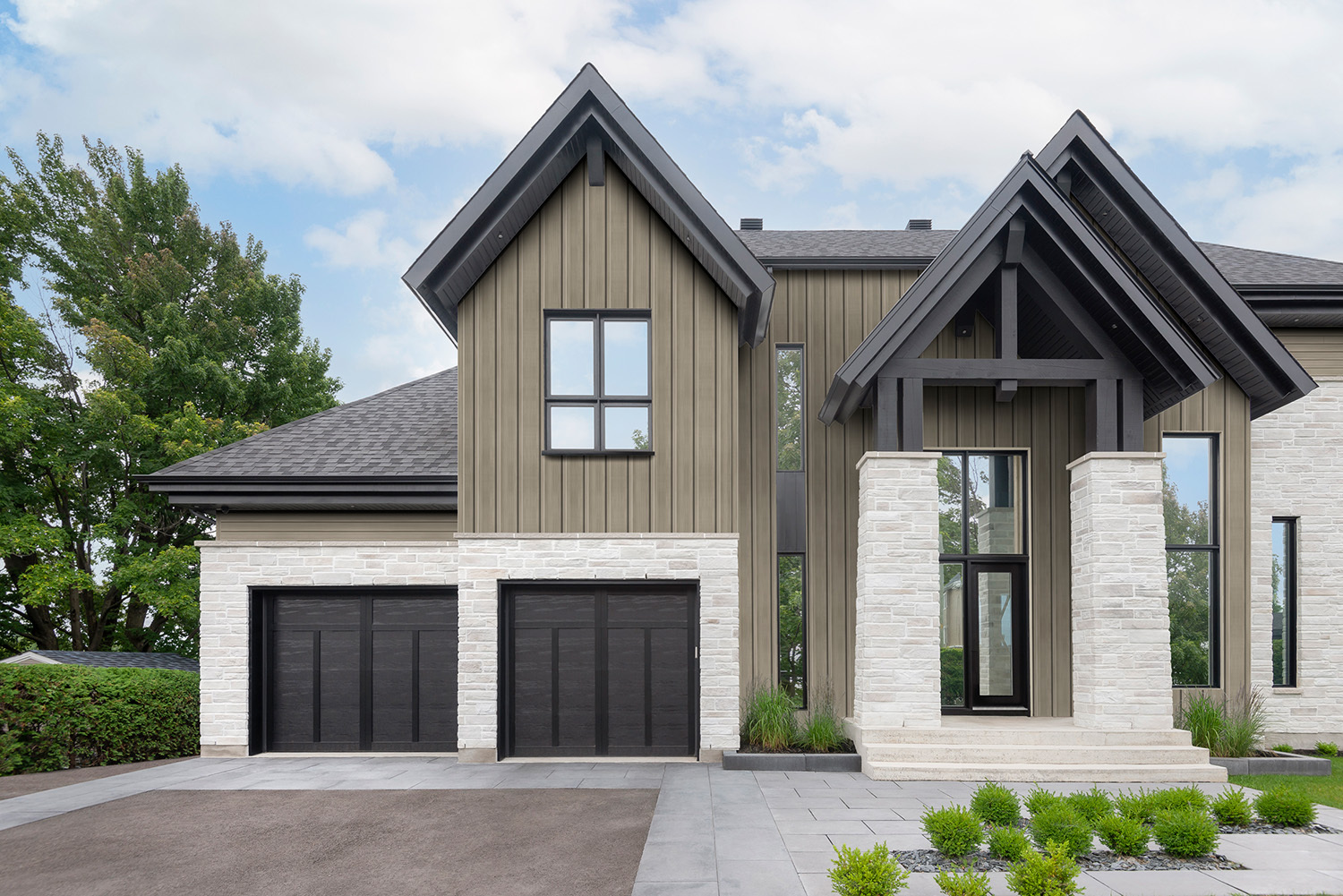
Maintenance-Free and Corrosion-Resistant Cladding
One of aluminum’s greatest advantages—and the reason so many homeowners choose it when replacing their exterior cladding—is its minimal maintenance. Unlike wood, which requires sanding, repainting, or staining regularly, aluminum retains its color and shine effortlessly. A simple occasional rinse with a garden hose is enough to remove dust or marks left by the weather.
This durability goes beyond aesthetics. Aluminum does not rust, crack, or warp from moisture or temperature fluctuations. Its corrosion-resistant nature makes it a reliable material in demanding climates like those in Quebec and across Canada, where freeze–thaw cycles put façades to the test. It provides homeowners with long-term peace of mind, knowing they won’t need to replace their cladding for many decades.
An Eco-Friendly and Recyclable Choice
In today’s world, where environmental impact is a key factor in choosing building materials, aluminum stands out for its recyclability. It can be reused indefinitely without losing its mechanical or aesthetic properties, making it a responsible choice for anyone looking to combine performance, durability, and environmental responsibility in their renovation project.
Choosing aluminum cladding is therefore a sustainable decision not only for your home but also for the planet. Unlike vinyl, which is difficult to recycle, or wood, which contributes to extensive deforestation, aluminum offers the perfect balance between aesthetics and eco-consciousness.
Order Your Samples and Test Your Ideas
Replacing exterior cladding is a major step in a home’s life. To make the best decision, nothing beats the ability to compare colors and textures directly on your façade. Rialux offers the option to order samples, allowing you to see the real effect of different collections.
To take it even further, the virtual design tool lets you simulate various combinations of colors and materials. In just a few clicks, you can envision the final look of your façade and move forward with confidence in your replacement project.