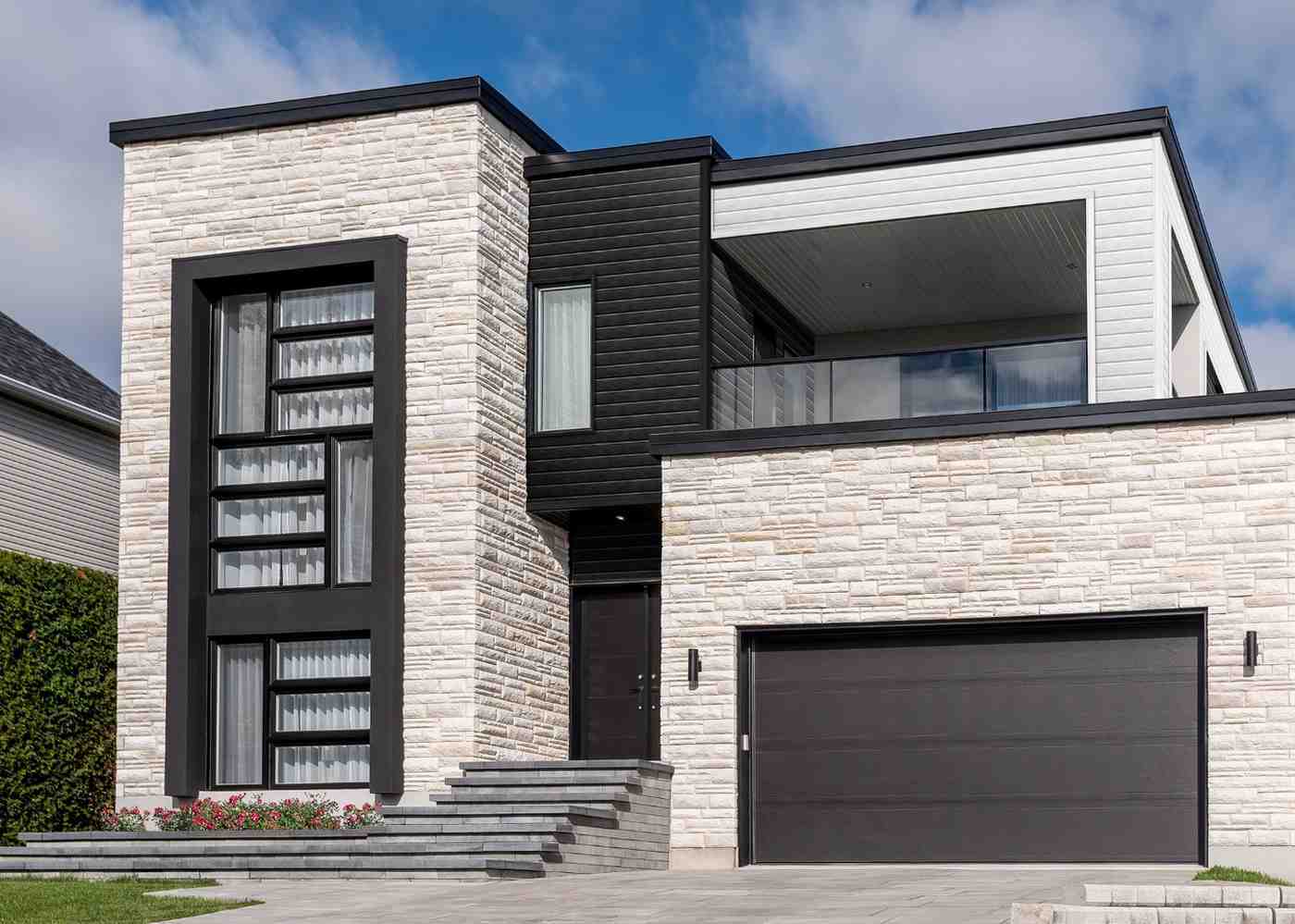
Replacing your home siding is a significant investment that affects appearance, maintenance, and long-term performance. If you're comparing aluminum siding and vinyl siding, understanding how each material performs in different conditions can help you make a confident decision. This guide compares both options based on durability, maintenance, weather resistance, aesthetics, and overall value.
Choosing new siding is more than improving curb appeal. The material you select will protect your home from the elements, influence maintenance requirements, and affect its appearance for many years. With several options available, narrowing your decision can feel challenging.
For many homeowners, the comparison comes down to aluminum siding vs vinyl siding. Both materials are popular because they require less maintenance than traditional wood, but they differ in durability, appearance, and performance under different weather conditions.
This guide compares both siding materials side by side, helping you understand where each performs best and what to consider before making a final decision.
When comparing aluminum siding vs vinyl siding, there isn't a single material that's better for every home. Aluminum siding is known for its strength, fire resistance, and modern appearance, while vinyl siding is valued for its affordability and low maintenance. The right choice depends on your climate, design preferences, maintenance expectations, and long-term renovation goals.
Aluminum Siding vs Vinyl Siding: Understanding the Difference
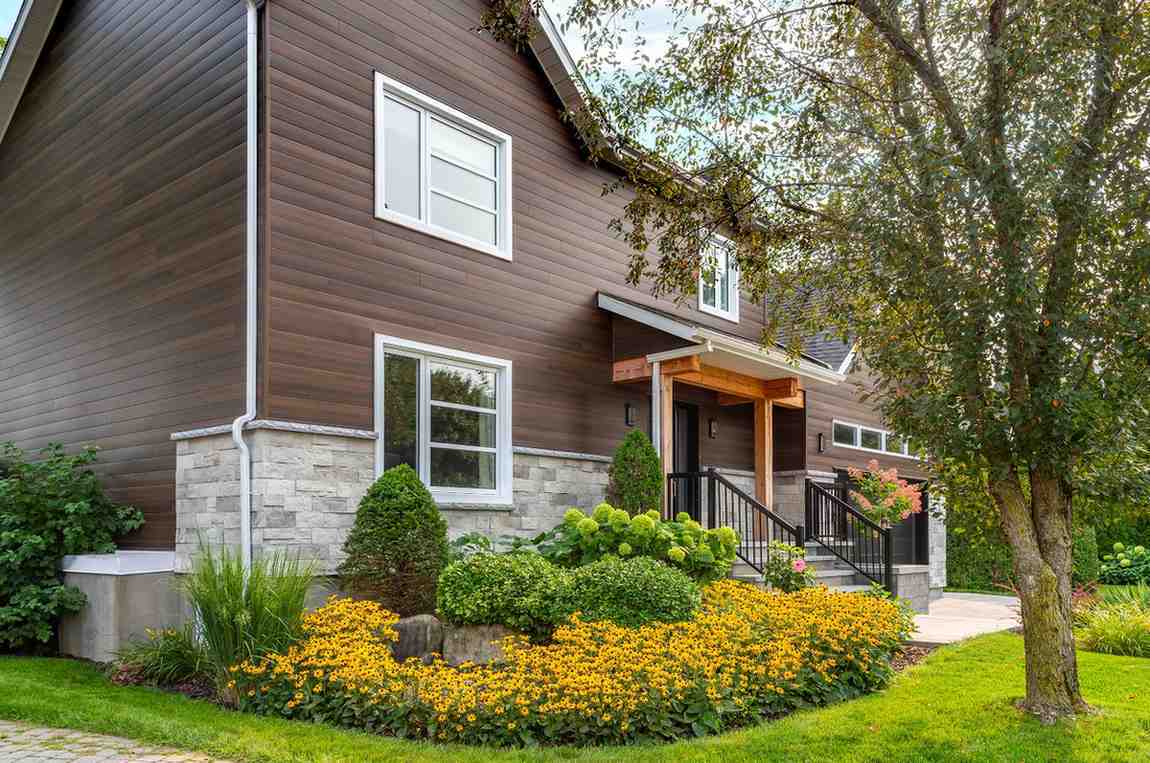
Although both materials serve the same purpose, they are manufactured differently and offer distinct advantages.
Aluminum siding is made from formed aluminum panels designed to create a durable protective layer over the exterior of a building. It is commonly used on residential homes, commercial buildings, garages, and renovation projects where durability and clean architectural lines are priorities.
Vinyl siding is manufactured from PVC (polyvinyl chloride). It has become a popular exterior material because of its relatively low maintenance requirements and wide range of colors and profiles.
Both materials can provide attractive exteriors, but the experience of owning each can differ depending on your property's location, weather conditions, and maintenance expectations.
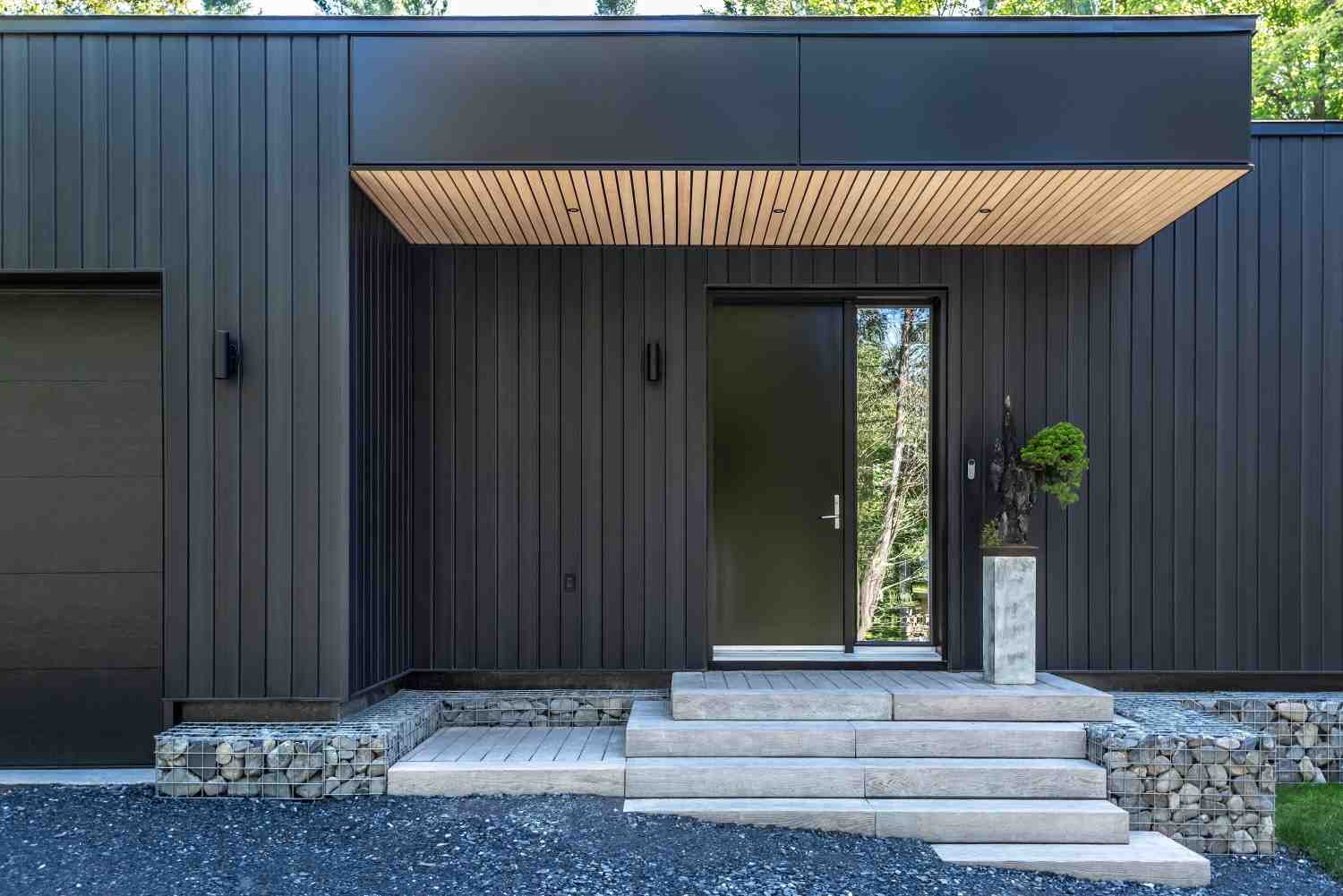
Durability: Which Material Holds Better?
Durability is often one of the first considerations when comparing exterior siding.
Your siding must withstand changing weather conditions while protecting the building envelope year after year.
Aluminum Siding
Aluminum is well known for its structural strength and resistance to moisture.
High-quality aluminum house siding performs well in demanding weather conditions and won't rot or attract insects. It also maintains its structural integrity through seasonal temperature changes when installed correctly.
While aluminum siding can dent if subjected to a significant impact, such as large hail or a heavy falling branch, the likelihood depends on the thickness and quality of the material. Rialux aluminum siding is manufactured using high-gauge aluminum, providing greater strength and improved resistance to everyday impacts compared to thinner alternatives. While no exterior cladding is completely dent-proof, choosing a high-quality aluminum system helps reduce the risk of visible dents while maintaining long-term performance.
Vinyl Siding
Vinyl siding also performs well under normal weather conditions and resists moisture, insects, and decay.
However, extreme cold can make some vinyl products more susceptible to cracking if impacted. In warmer temperatures, vinyl naturally expands and contracts, making proper installation important for long-term performance.
Quality vinyl siding continues to improve, but product performance can vary depending on manufacturing standards and installation quality.
Durability Comparison
| Feature | Aluminum Siding | Vinyl Siding |
|---|---|---|
| Moisture Resistance | Excellent | Excellent |
| Rot Resistance | Excellent | Excellent |
| Insect Resistance | Excellent | Excellent |
| Wind Performance | Excellent | Good |
| Impact Resistance | May dent under heavy impact | May crack under severe impact |
| Fire Resistance | Excellent | Moderate |
| Lifespan | Long-term with proper maintenance | Long-term with proper installation |
Appearance and Design Options
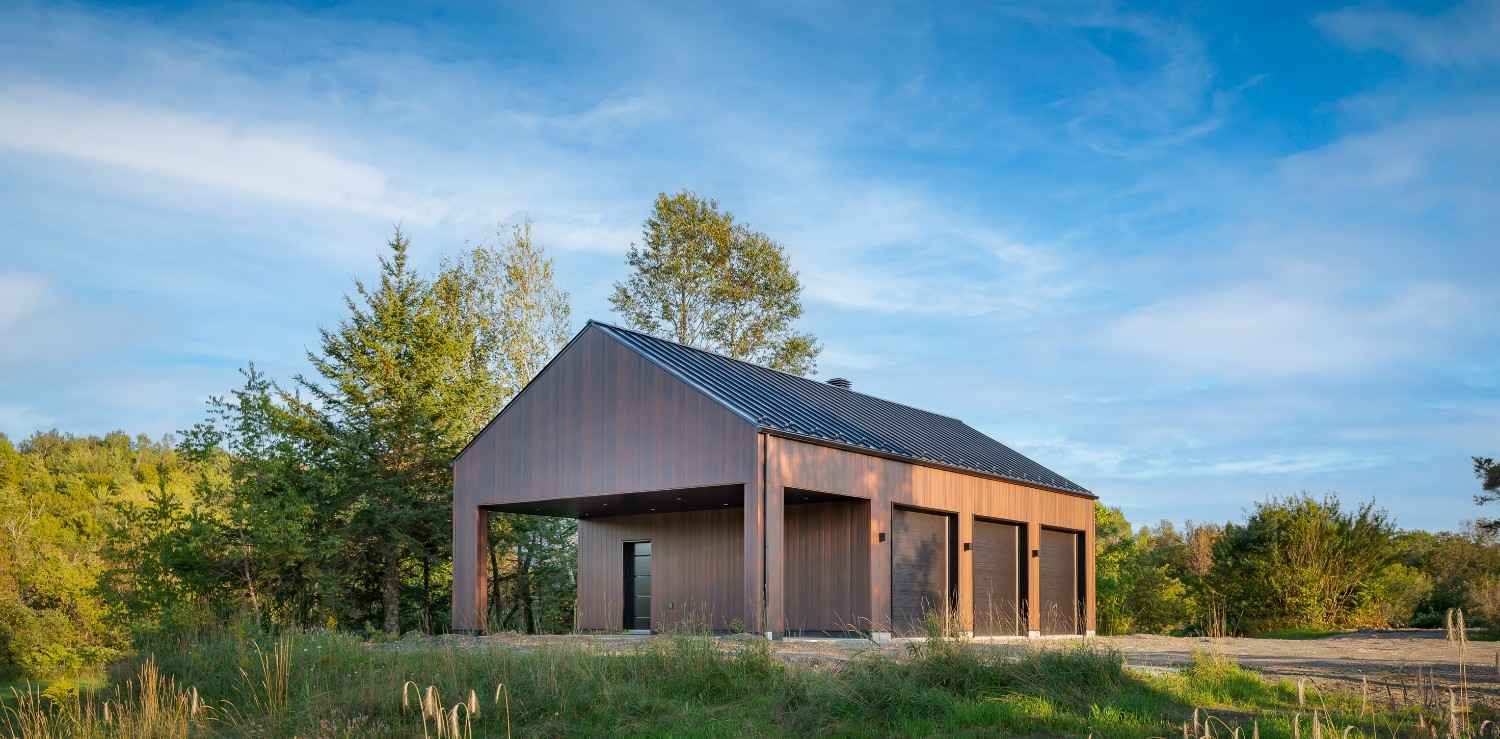
Your siding contributes significantly to your home's overall character. The right profile, color, and finish should complement the architecture rather than overpower it.
Both aluminum and vinyl provide numerous design possibilities, but there are some differences worth considering.
Aluminum Siding
Aluminum is well known for its structural strength and resistance to moisture.
Modern aluminum siding has evolved considerably in recent years.
Today's products are available in a variety of profiles and finishes that suit everything from traditional homes to contemporary architectural designs.
Homeowners can choose from options such as:
- Horizontal profiles
- Vertical profiles
- Smooth architectural panels
- Wood-inspired finishes
- Matte color collections
Many premium systems also maintain their finish well over time with minimal maintenance.
If you're interested in different profile options, you can compare available collections through our Aluminum Siding Panels page.
Vinyl Siding
Vinyl siding is also available in many colors and profiles, making it suitable for various architectural styles.
Common options include:
- Horizontal lap siding
- Dutch lap
- Shake-style panels
- Vertical accent siding
Although color options are extensive, finish quality and appearance can vary between manufacturers.
Which Material Works Best for Different Home Styles?
| Home Style | Aluminum Siding | Vinyl Siding |
|---|---|---|
| Modern Homes | ★★★★★ | ★★★☆☆ |
| Contemporary Homes | ★★★★★ | ★★★☆☆ |
| Traditional Homes | ★★★★☆ | ★★★★★ |
| Farmhouse Designs | ★★★★★ | ★★★★☆ |
| Commercial Buildings | ★★★★★ | ★★★☆☆ |
Instead of asking which material looks better, consider which one best complements your home architecture, surrounding materials, and long-term design goals.
Which Requires Less Maintenance?
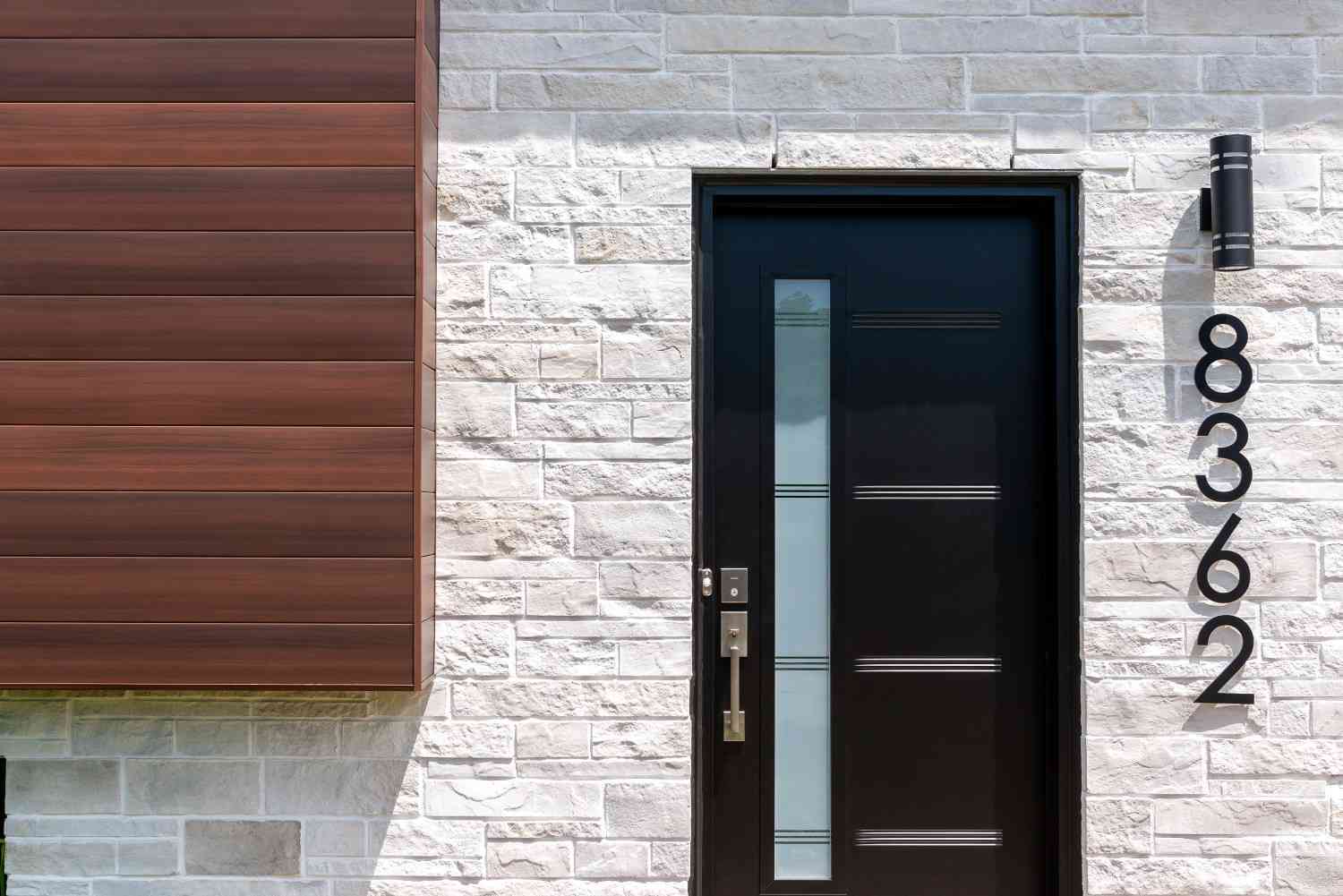
Both materials are considered low maintenance compared to wood siding.
For most homeowners, the maintenance differences are relatively minor. The better option depends more on your climate, desired appearance, and long-term ownership plans than on cleaning requirements alone.
Which Performs Better in Canadian Weather?
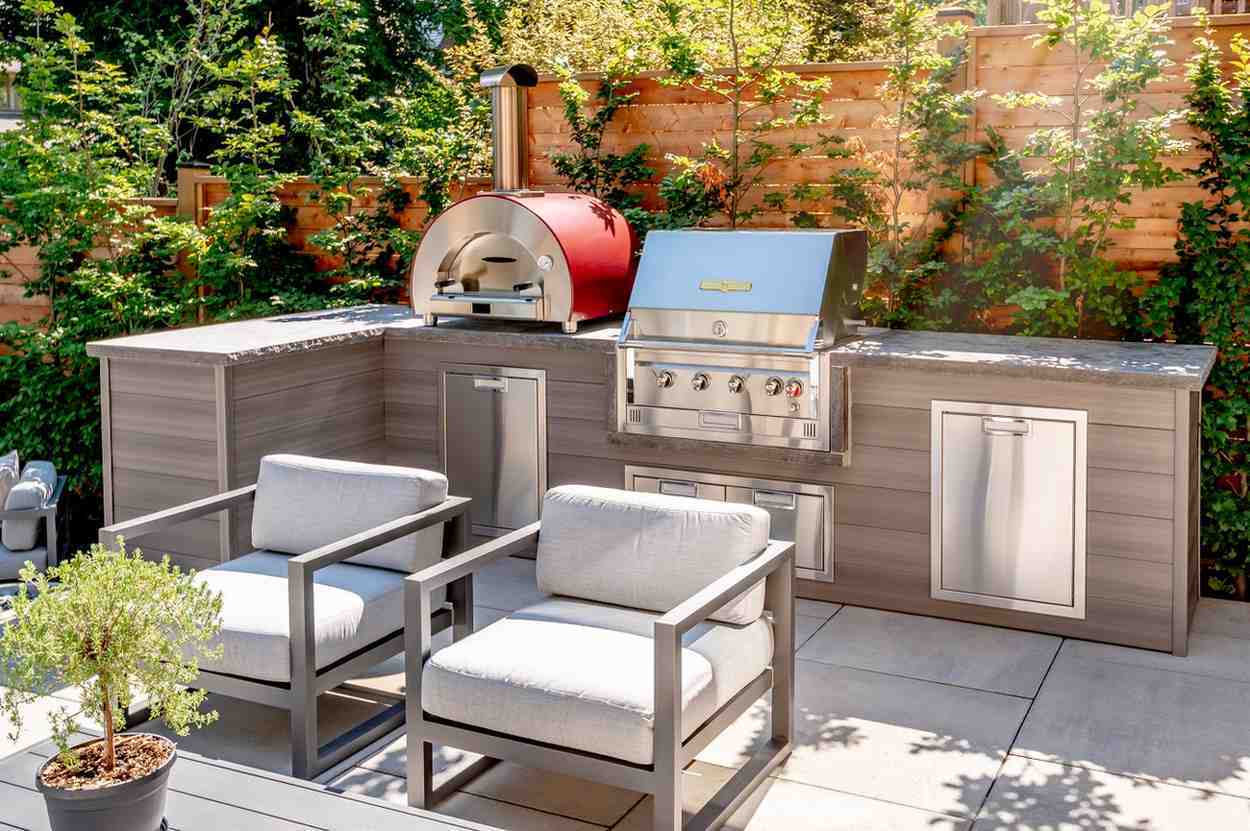
Canadian weather places unique demands on exterior materials. Snow, ice, heavy rainfall, strong winds, and seasonal temperature changes all affect how siding performs over time.
Aluminum Siding
Aluminum is designed to withstand harsh weather conditions without rotting or attracting insects. It also performs well in freeze thaw cycles because it isn't affected by moisture in the same way as some traditional materials.
Its non-combustible nature is another advantage for homeowners who prioritize fire resistance.
Vinyl Siding
Vinyl siding also performs well in most climates and resists moisture. However, prolonged exposure to extreme cold may make some products more vulnerable to cracking if subjected to a hard impact.
Proper installation is especially important because vinyl expands and contracts as temperatures change.
Weather Comparison
| Weather Condition | Aluminum Siding | Vinyl Siding |
|---|---|---|
| Heavy Rain | Excellent | Excellent |
| Snow & Ice | Excellent | Excellent |
| Freeze–Thaw Cycles | Excellent | Good |
| Strong Winds | Excellent | Good |
| UV Exposure | Excellent | Good |
| Humid Conditions | Excellent | Excellent |
Climate Tip: Homeowners in regions with long winters or frequent temperature fluctuations should consider how each material performs over decades, not just during the first few years after installation.
Sustainability and Environmental Impact
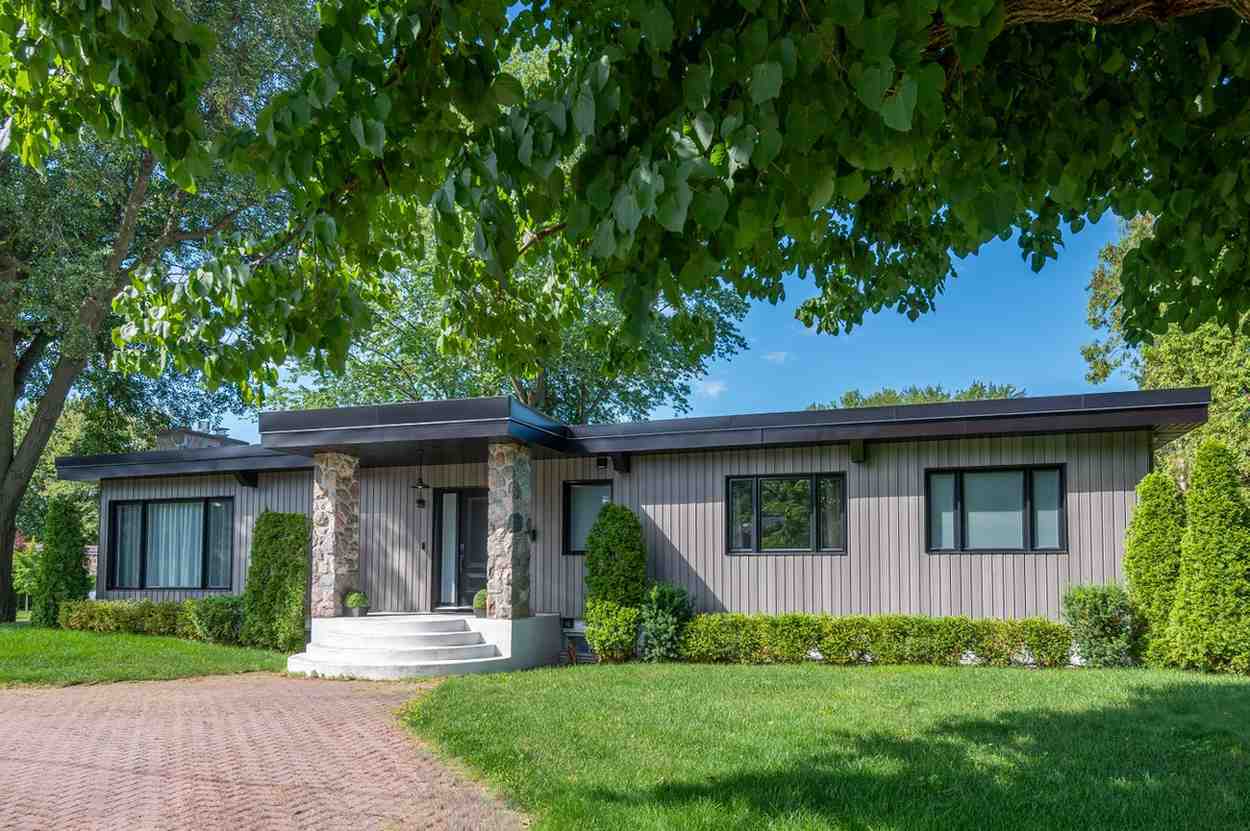
Sustainability has become an important consideration for many homeowners planning exterior renovations.
Aluminum is a recyclable material and can often be reused at the end of its service life. Its durability also means fewer replacements over time, reducing material waste.
Vinyl siding has improved from an environmental perspective, but recycling options may vary depending on local facilities and regional programs.
If sustainability is one of your priorities, consider the expected lifespan of the material alongside maintenance and replacement requirements.
Looking Beyond the Initial Investment
Price is an important factor, but it shouldn't be the only one.
Instead of comparing installation costs alone, think about the value each material provides throughout its lifespan.
Consider:
- Expected service life
- Maintenance requirements
- Resistance to weather
- Repair needs
- Appearance over time
- Warranty coverage
A material with a higher upfront investment may provide greater value if it requires fewer repairs and continues to perform well for many years.
Which Siding Is Right for Your Home?
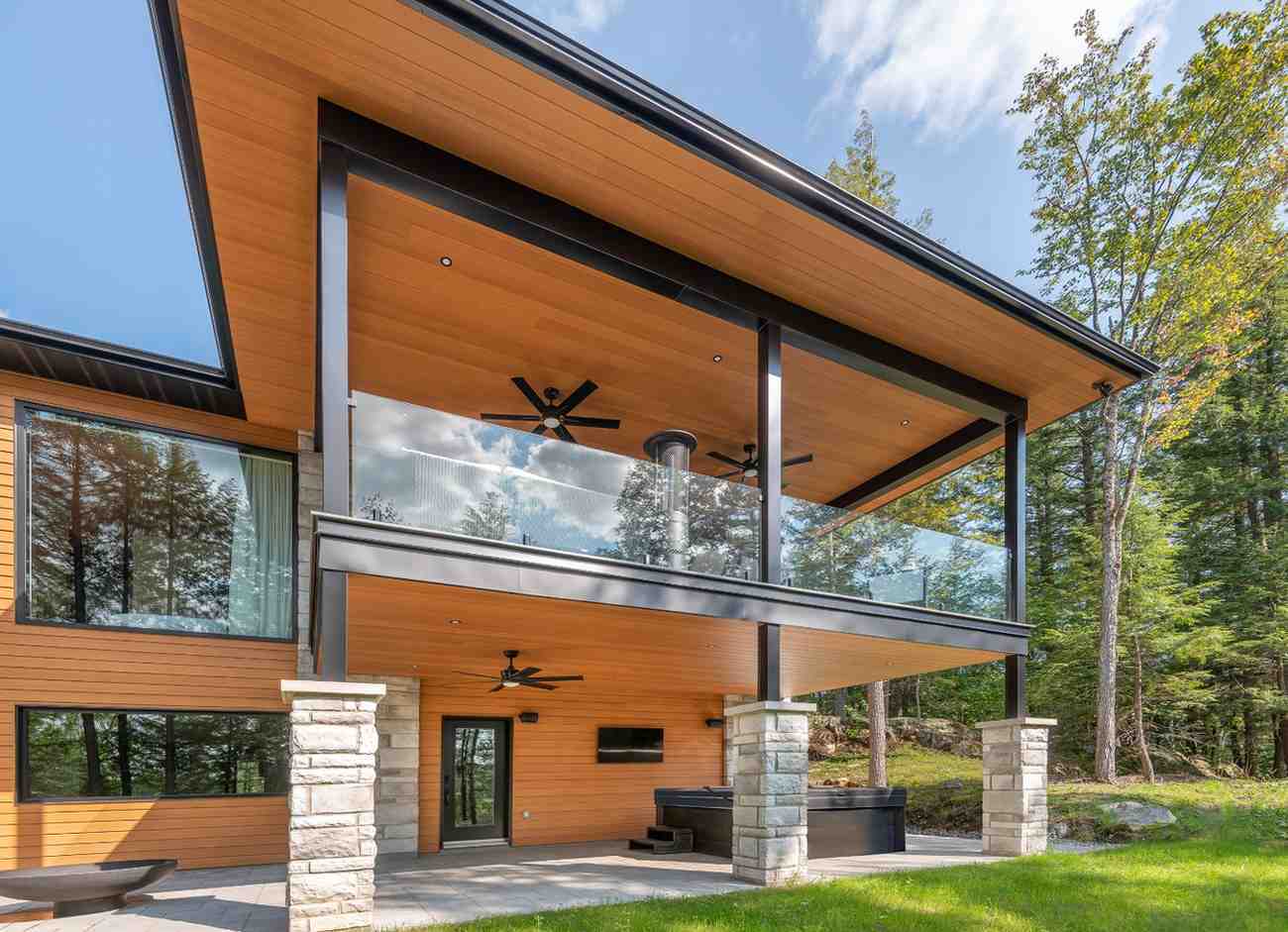
Rather than asking which material is best overall, ask which one best fits your project.
Choose aluminum siding if you:
- Prefer to a modern architectural appearance.
- Want excellent weather and fire resistance.
- Value long-term durability.
- Are planning a custom home or premium renovation.
- Want material suitable for both residential and commercial applications.
Choose vinyl siding if you:
- Have a limited renovation budget.
- Prefer a traditional exterior style.
- Want a low-maintenance material.
- Are replacing existing vinyl siding.
- Prioritize affordability over premium finishes.
The best decision comes from balancing your home's needs with your long-term expectations rather than focusing on one feature alone.
Common Mistakes When Comparing Siding Materials
Avoid these common mistakes before making your decision.
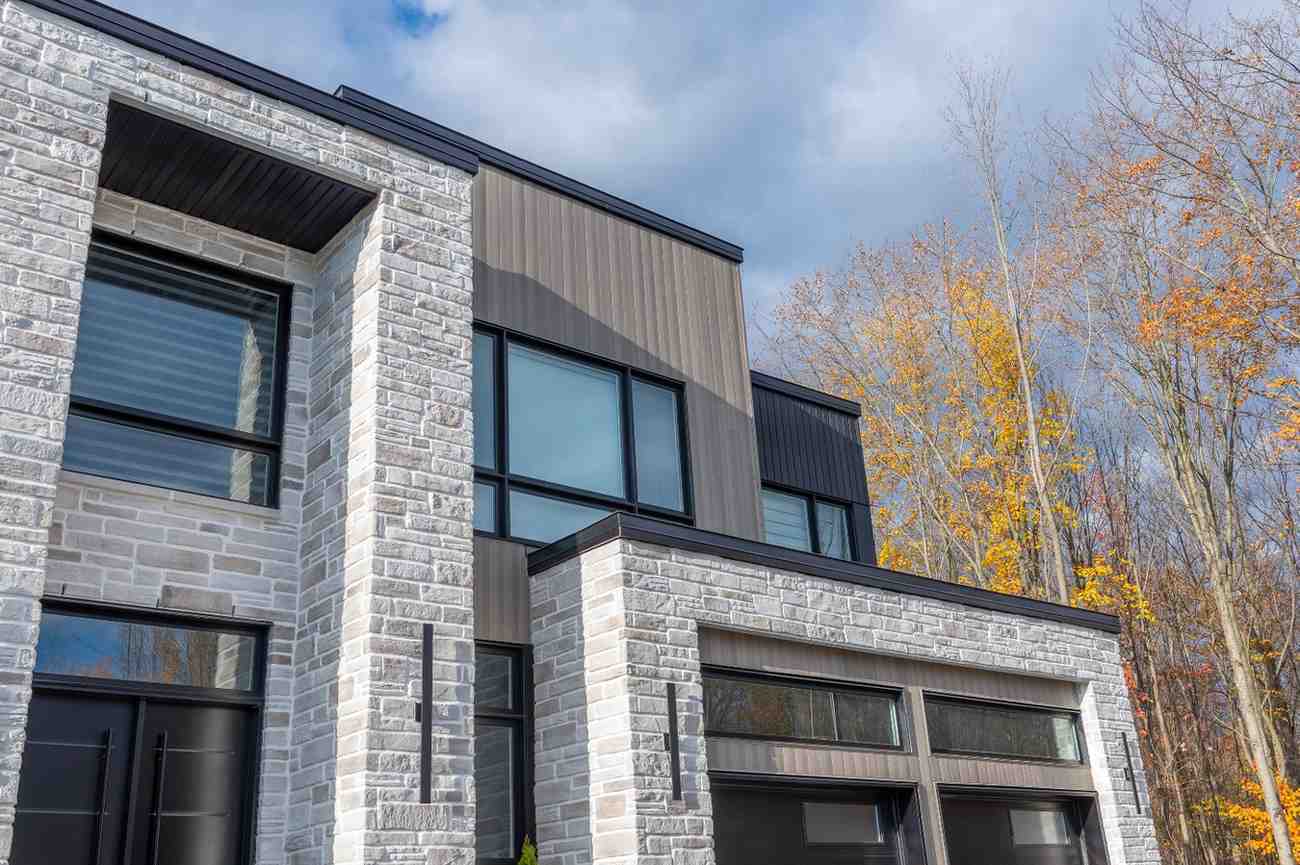
Choosing Based Only on Price
The least expensive option isn't always the best long-term investment. Consider durability, maintenance, and expected lifespan as well.
Ignoring Local Climate
Weather conditions influence how siding performs. Select a material suited to the environment where your home is located.
Overlooking Installation Quality
Even premium siding may not perform as expected if it isn't installed correctly. Work with experienced professionals who follow the manufacturer's installation guidelines.
Focusing Only on Color
Color is important, but profile, finish, and how the siding complements your home's architecture are equally important.
Forgetting Future Maintenance
Think about the time and effort you're willing to invest in maintaining your home's exterior over the years.
Homeowner Checklist Before Choosing New Siding
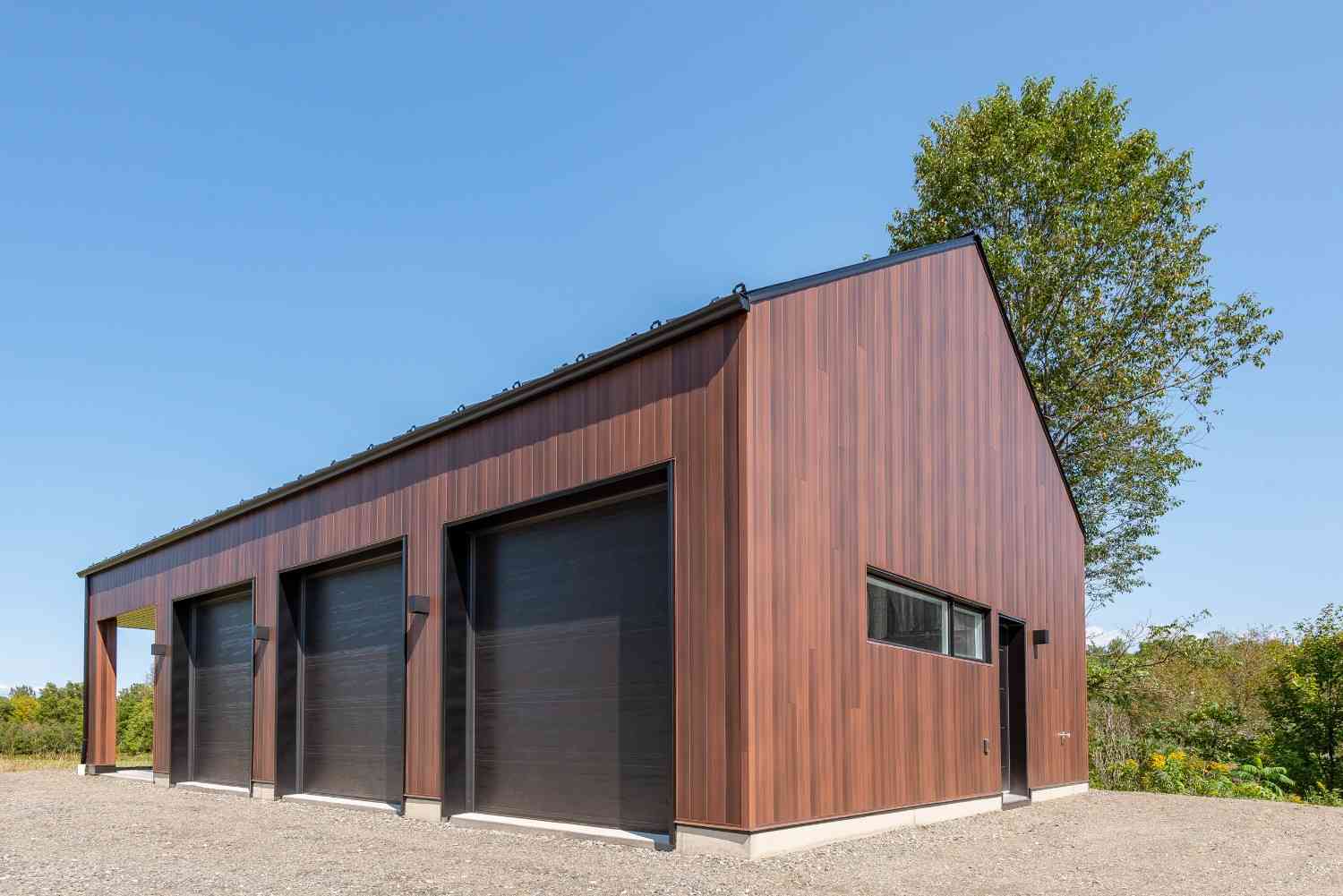
Use this checklist before selecting an exterior siding material.
✔Define your renovation goals.
✔ Set a realistic budget.
✔ Consider your local climate.
✔ Compare durability and maintenance requirements.
✔ Choose a profile that suits your home's architecture.
✔ Review warranty information.
✔ Request product samples before making a final decision.
✔ Hire experienced installation professionals.
Conclusion
Use this checklist before selecting an exterior siding material.
The aluminum siding vs vinyl siding decision isn't about finding a single winner, it's about selecting the material that best matches your home, climate, and long-term expectations.
Aluminum siding stands out for its durability, fire resistance, and clean architectural appearance, while vinyl siding remains a practical option for homeowners seeking a low-maintenance exterior at a lower initial investment.
By comparing performance, maintenance, weather resistance, and design flexibility, you can make a confident decision that supports your home's appearance and protection for years to come.