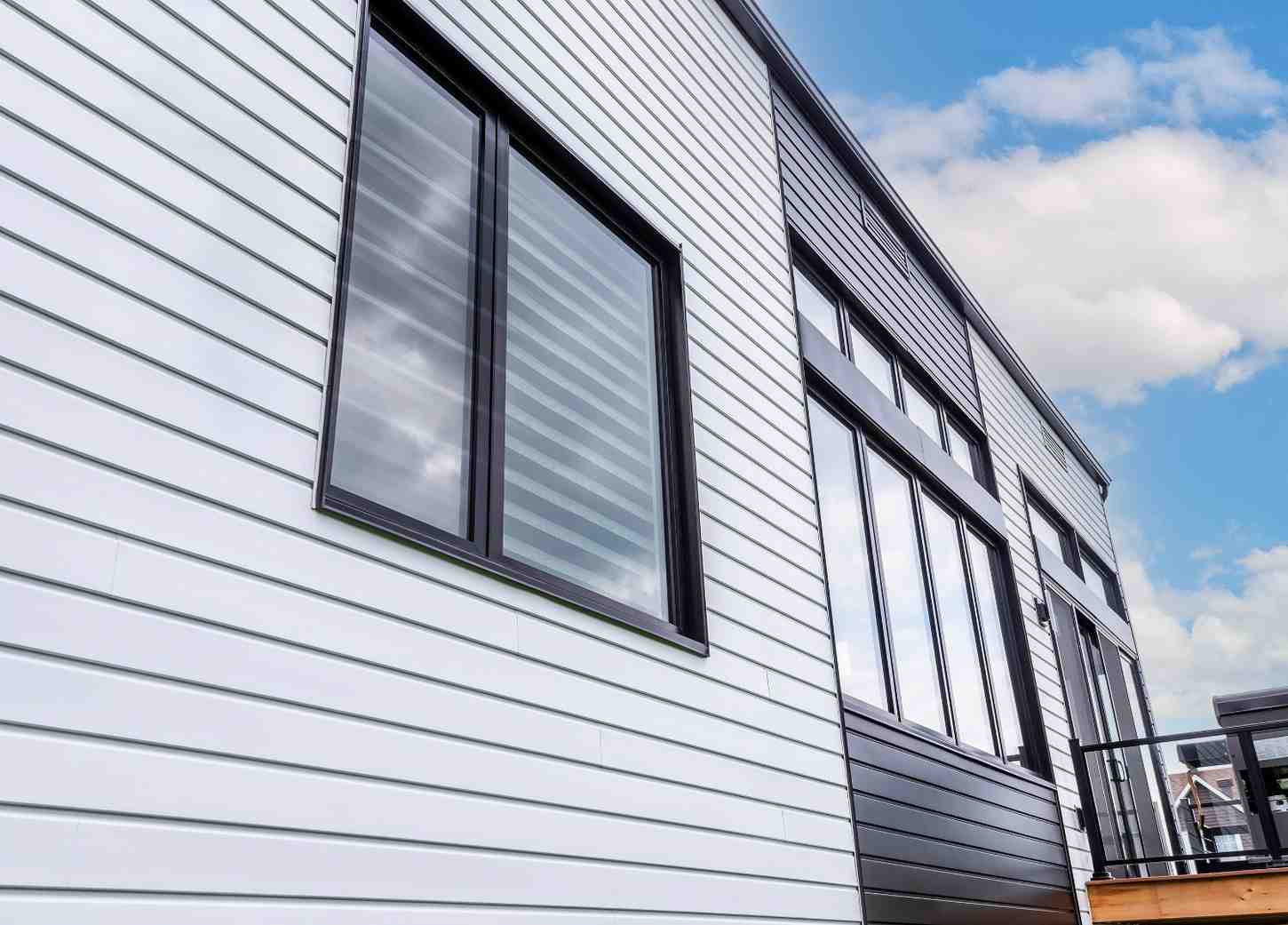
Choosing the right exterior siding is one of the most important decisions for protecting your home and improving your home's appearance. This complete guide explains the benefits of aluminum siding, popular design options, installation considerations, maintenance tips, and how to select the right solution for your project. Whether you're renovating an existing home or planning a new build, you'll learn what to consider make an informed decision.
Your home's exterior does much more than create a good first impression. It protects the structure from rain, snow, wind, and everyday weather exposure while helping improve energy efficiency and long-term property value. Choosing the right siding material is therefore an investment in both performance and appearance.
Among today's exterior cladding options, aluminum siding has become a preferred choice for homeowners, builders, and architects looking for durability, modern appearance, and low maintenance. Advances in manufacturing have also introduced a wide variety of finishes, colors, and profiles that match both contemporary and traditional homes.
This guide covers everything you need to know before choosing aluminum siding from its key benefits and available styles to installation considerations, maintenance, and practical tips for selecting the best option for your property.
What Is Aluminum Siding?
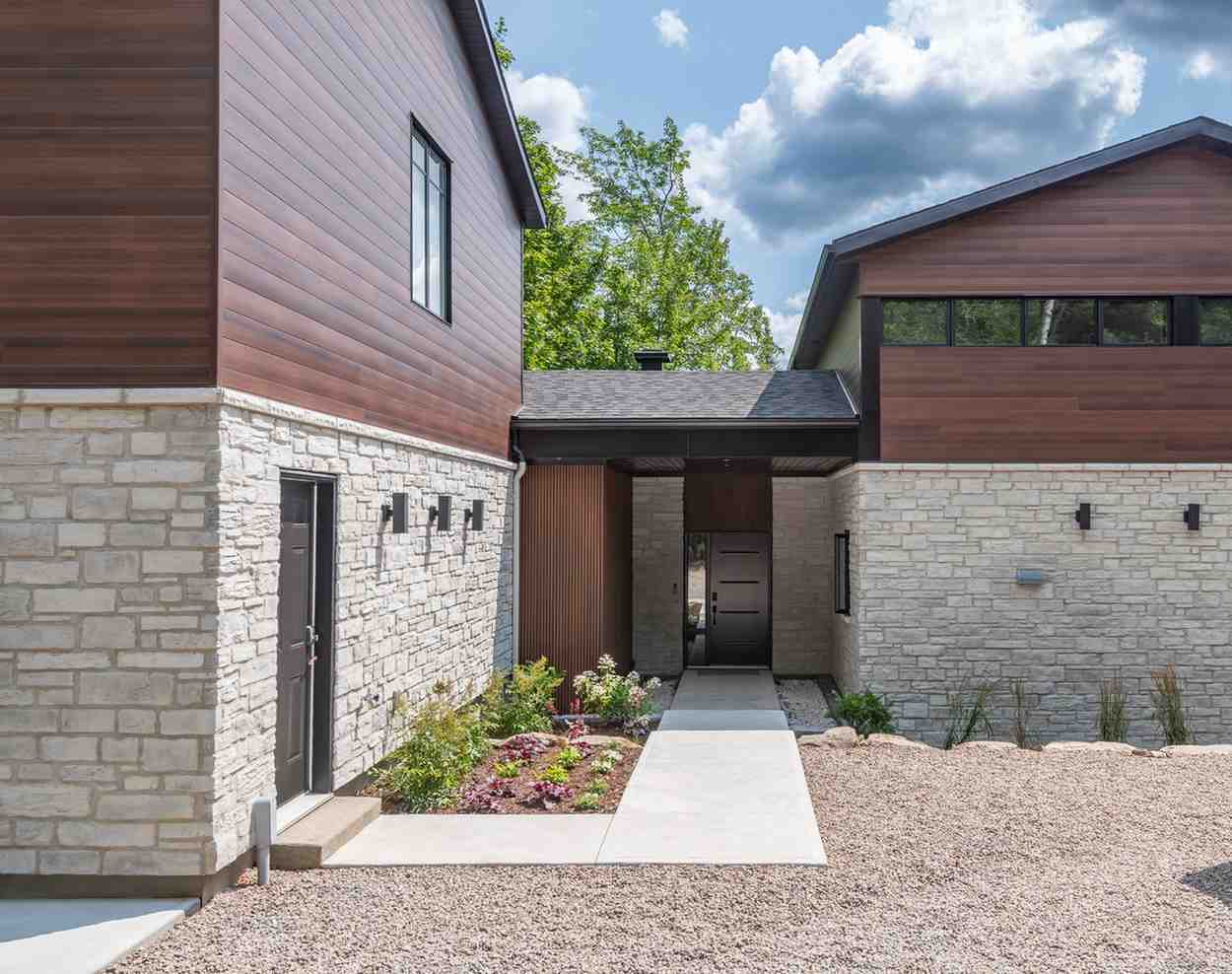
Aluminum siding is an exterior cladding system made from high-quality aluminum panels that are installed over a building's structural wall. It creates a protective outer layer that helps shield the home from moisture, wind, UV exposure, and changing weather conditions while providing a clean, finished appearance.
Unlike traditional wood siding that may require frequent repainting or sealing, aluminum is valued for its durability and ease of maintenance. Modern manufacturing techniques have also expanded the range of aluminum siding panels, allowing homeowners to choose from different profiles, textures, and colors to suit almost any architectural style.
Today, aluminum siding is commonly used for:
- Residential homes
- Home renovations
- Garages and workshops
- Garden sheds
- Multi-family developments
- Commercial buildings
- Architectural façade projects
Its lightweight construction, combined with strong construction and corrosion resistance, makes it a practical solution for projects that demand long-term performance without extensive maintenance.
Why Homeowners Choose Aluminum Siding
Exterior renovations are often long-term investments. Homeowners want products that not only look attractive today but also continue performing well for years to come.
That's one of the reasons aluminum house sidings continue to gain popularity across residential and commercial projects.
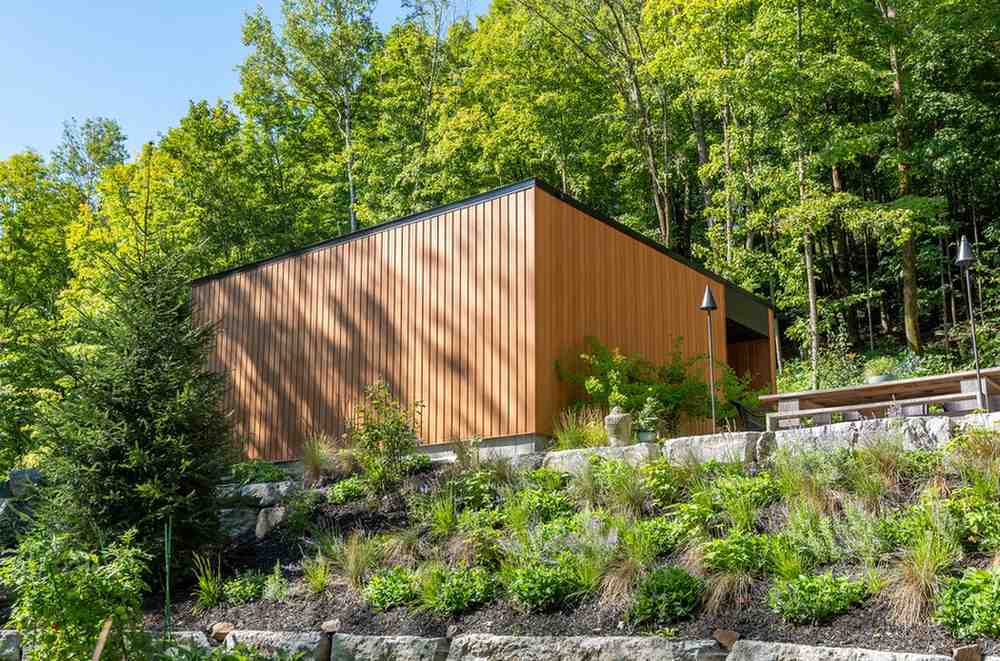
Built to Last
Quality aluminum siding is designed to withstand daily exposure to rain, snow, UV rays, and fluctuating temperatures without the maintenance requirements associated with many traditional materials.
When installed correctly and maintained properly, it can provide reliable performance for decades.
Built for Changing Seasons
Weather conditions vary significantly throughout the year, especially across Canada and the northern United States.
Aluminum siding performs well in environments exposed to:
- Heavy rainfall
- Snow and ice
- Strong winds
- Seasonal temperature changes
- UV exposure
Its ability to withstand these conditions makes it a very good choice for homeowners looking for dependable exterior protection.
Low Maintenance
One of aluminum siding's biggest advantages is it requires very little maintenance.
Routine care generally includes:
- Washing the exterior periodically
- Inspecting trims and joints
- Cleaning gutters and drainage areas
- Performing seasonal visual inspections
Unlike wood, aluminum doesn't require regular staining or sealing to maintain its appearance.
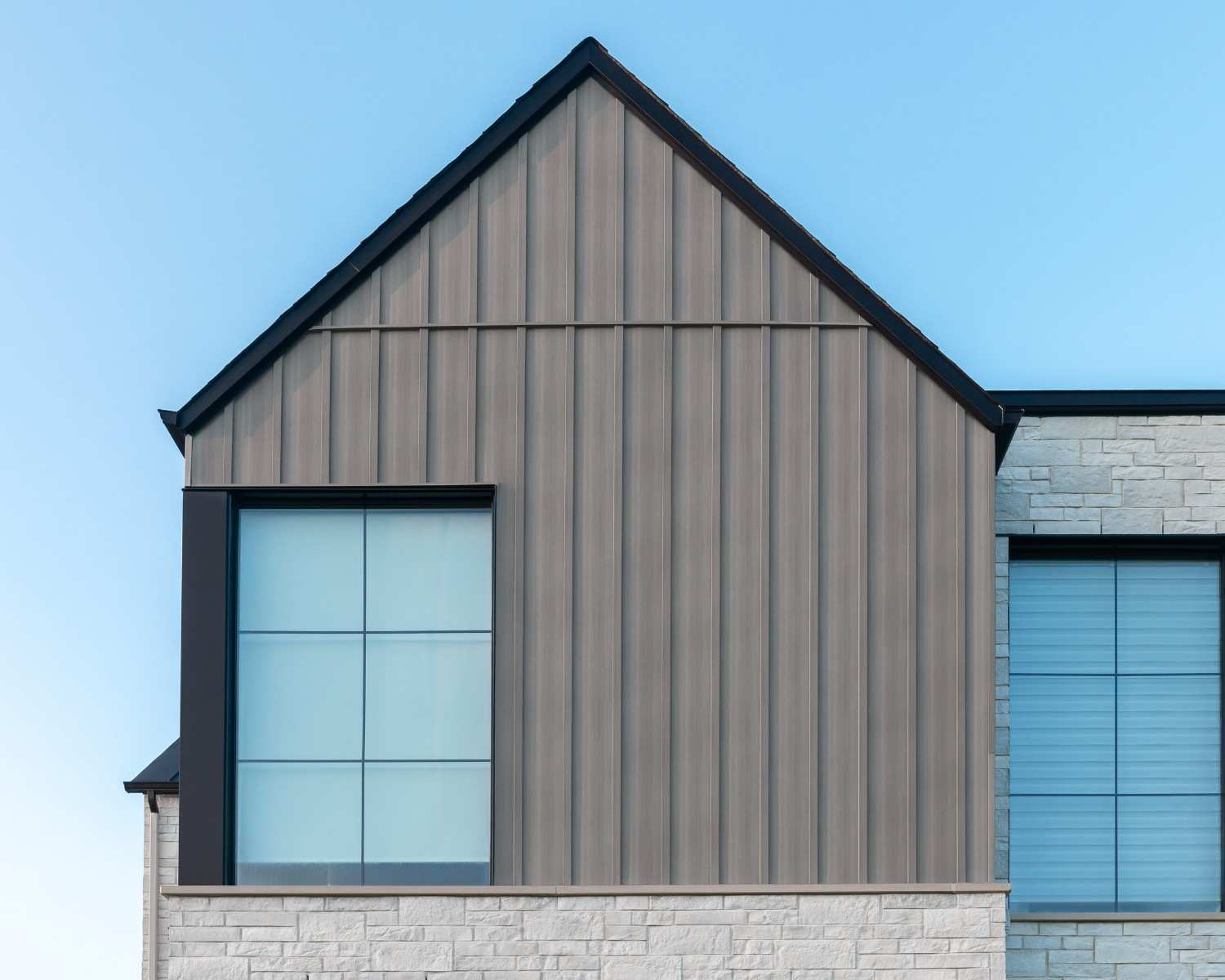
Design Options
Today's aluminum siding offers much more than a traditional appearance.
Homeowners can choose from a variety of:
- Contemporary profiles
- Textured finishes
- Wood-look designs
- Matte colors
- Smooth architectural panels
This flexibility makes it easier to achieve a design that matches both modern and traditional homes.
Environmentally Friendly Option
Aluminum is a recyclable material, making it an environmentally responsible option for many exterior renovation projects.
Its long service life also reduces the need for frequent replacement, helping minimize material waste over time.
Aluminum Siding vs. Other Popular Siding Materials
Every siding material has its strengths. Understanding the differences helps homeowners choose the option that best fits their priorities.
| Feature | Aluminum Siding | Vinyl Siding | Wood Siding |
|---|---|---|---|
| Durability | Very Good | Good | Moderate |
| Weather Resistance | Very Good | Good | Moderate |
| Maintenance | Low | Low | High |
| Rot Resistance | Very Good | Very Good | Poor |
| Insect Resistance | Very Good | Very Good | Poor |
| Fire Resistance | Very Good | Moderate | Low |
| Design Flexibility | Very Good | Good | Very Good |
| Long-Term Value | Very Good | Good | Moderate |
Professional Tip: If your priorities include durability, low maintenance, and modern curb appeal, aluminum siding offers one of the best long-term balances of performance and aesthetics.
Popular Aluminum Siding Styles
Modern homes no longer rely on a single siding profile. Manufacturers now offer a variety of aluminum siding styles that suit different architectural designs while maintaining the durability and low maintenance aluminum is known for.
Rather than focusing solely on appearance, choose a style that matches your home's architecture, surrounding landscape, and long-term design goals.
Horizontal Aluminum Siding
Horizontal profiles remain the most popular choice for residential homes. Their clean, continuous lines create a timeless appearance that works well with traditional, transitional, and contemporary architecture.
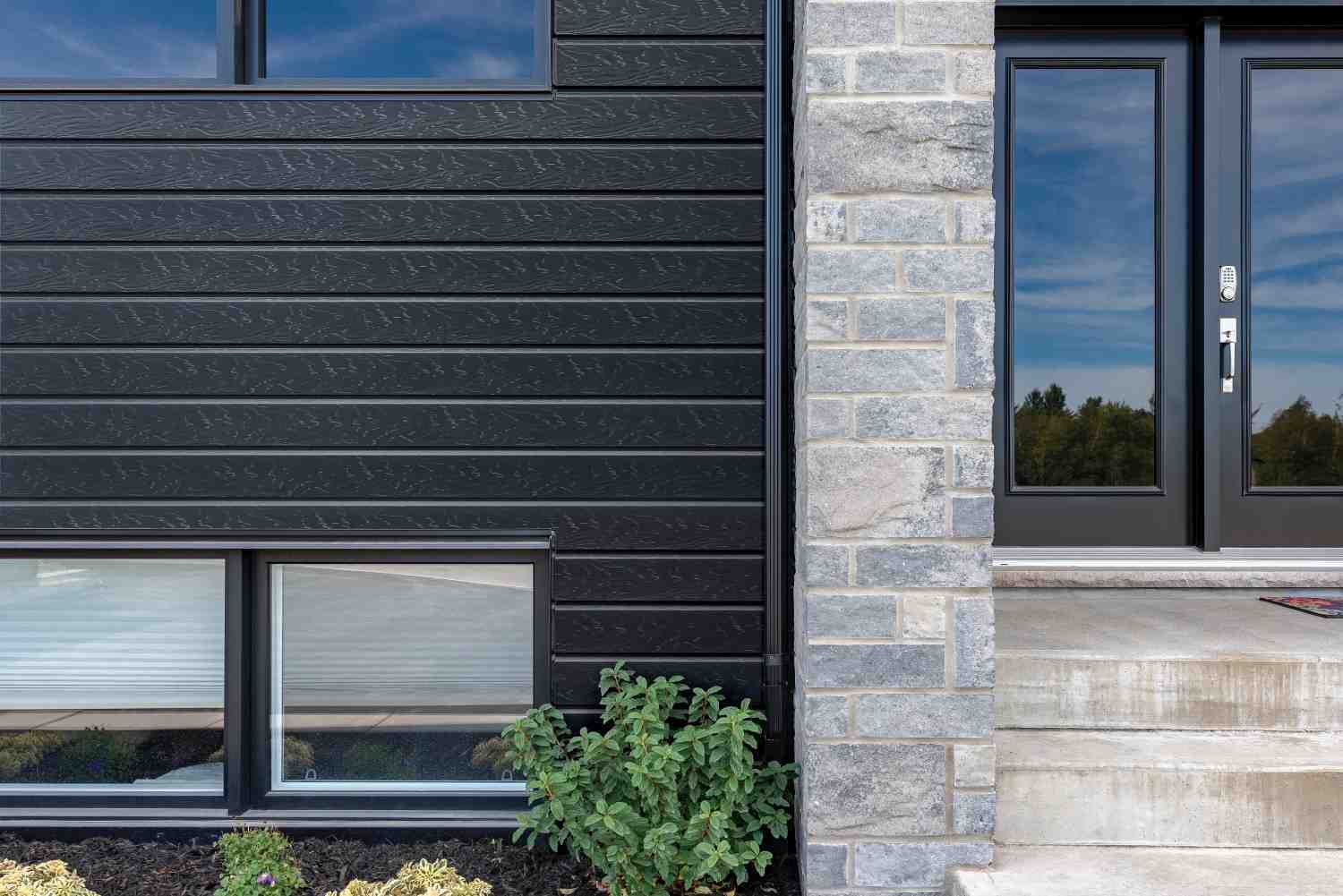
If you're exploring profile options, our Horizontal Metal Siding collection showcases a variety of designs suited to different home styles.
Vertical Aluminum Siding
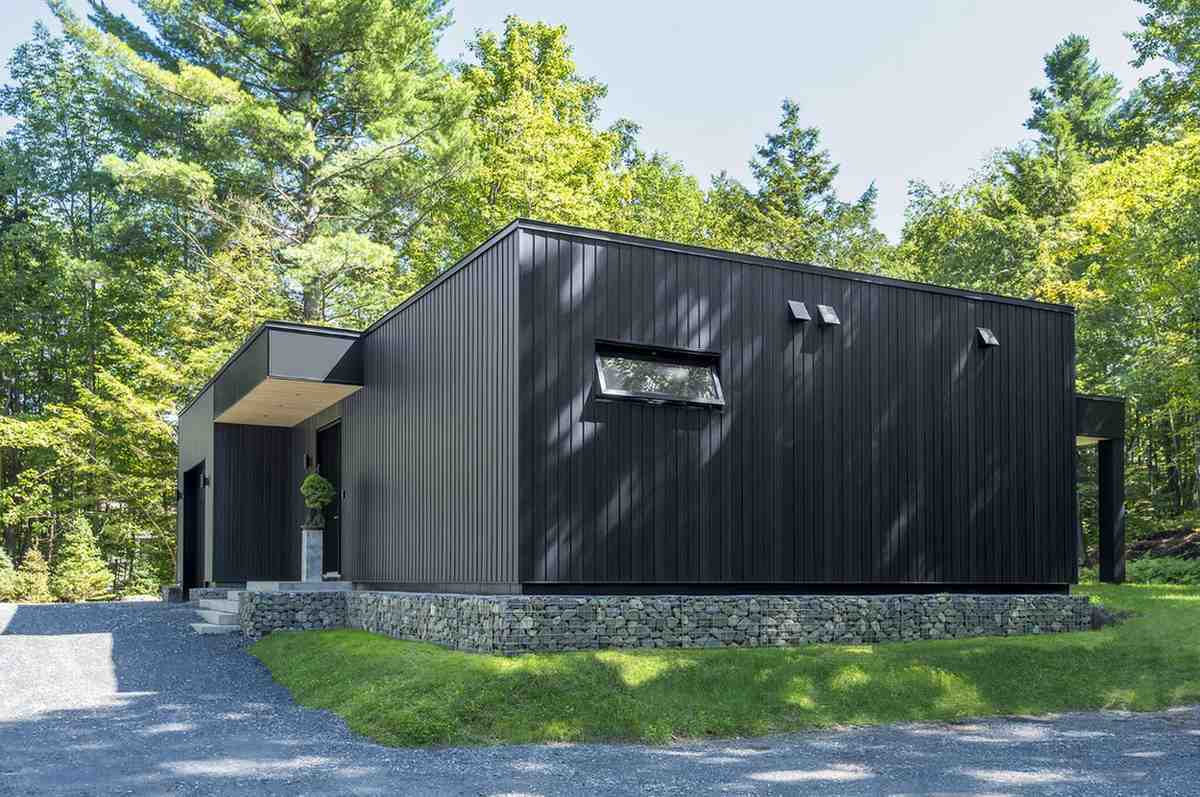
Vertical aluminum siding has become increasingly popular in modern residential and commercial architecture. Its vertical lines naturally draw the eye upward, creating an impression of added height and a more contemporary appearance.
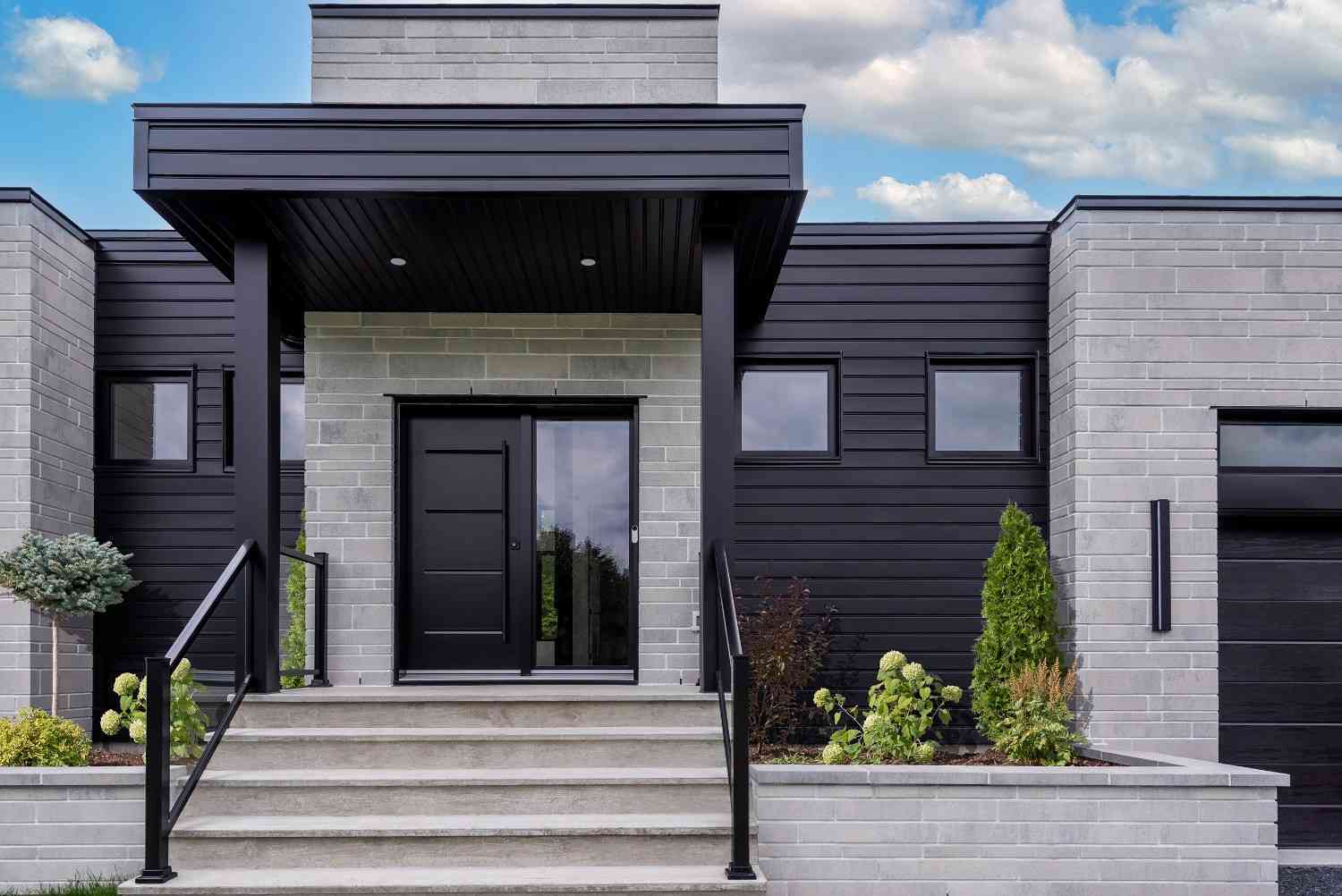
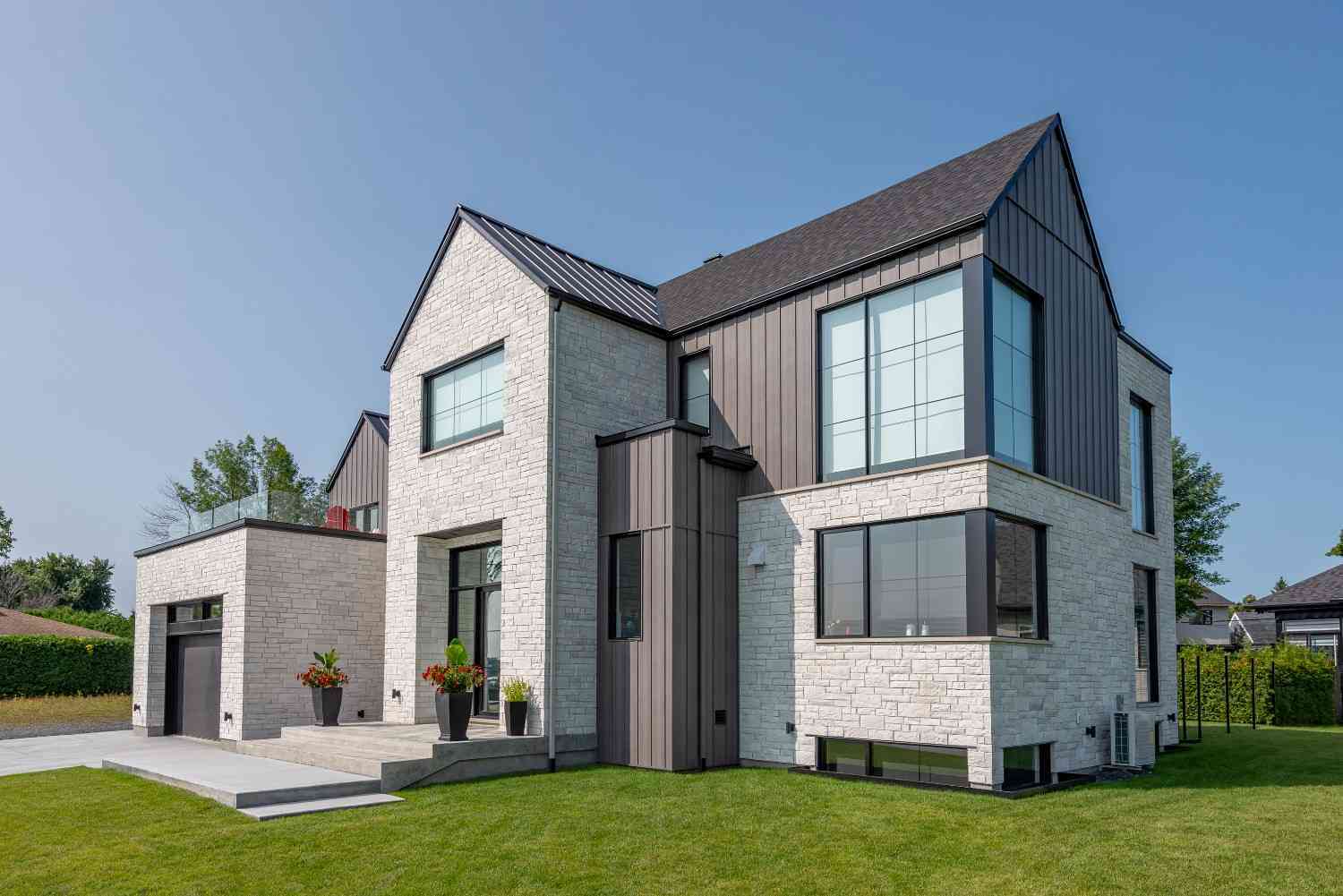
Many homeowners also combine vertical and horizontal siding to highlight architectural features such as entryways, gables, or accent walls.
To explore available profile options, visit our Aluminum Siding Panels collection.
Flat Panel and Contemporary Profiles
Minimalist homes often feature flat panel siding that emphasizes clean lines and modern geometry. These profiles pair beautifully with materials such as stone, glass, and exposed concrete to create a sleek architectural exterior.
Wood-Grain Finishes
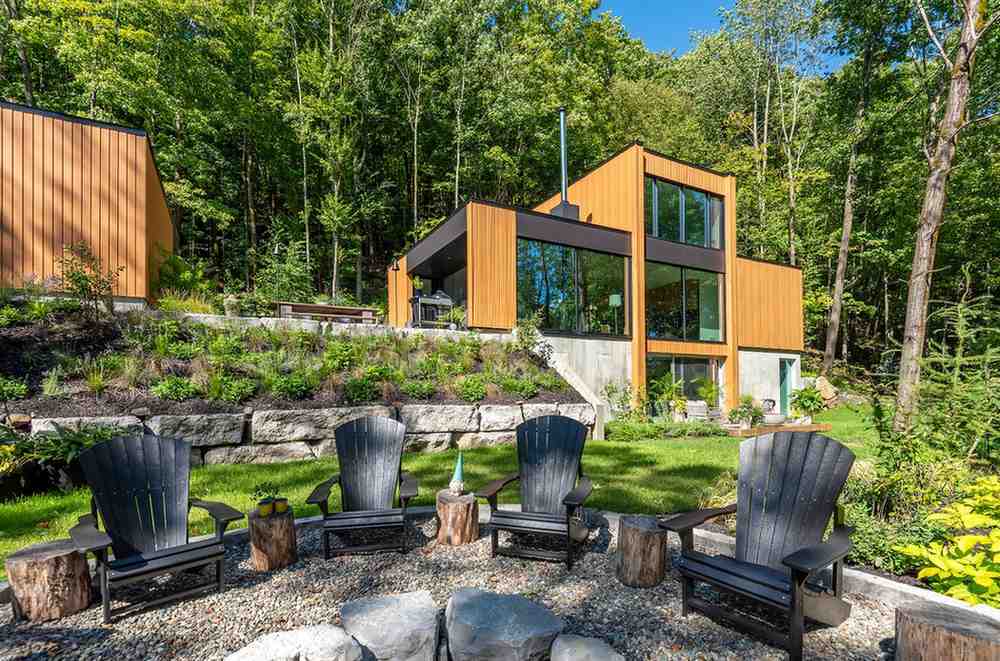
For homeowners who appreciate the warmth of natural timber without the ongoing maintenance, wood-grain aluminum finishes provide an attractive alternative.
They deliver the visual appeal of wood while maintaining the durability and weather resistance associated with aluminum.
Choosing the Right Style
Instead of selecting siding based solely on color, consider:
- Your home's architectural style
- Roof color
- Window design
- Existing masonry
- Landscaping
- Desired maintenance level
Selecting a profile that matches these elements creates a balanced exterior that remains visually appealing for years.
Style Recommendations
| Home Style | Recommended Siding |
|---|---|
| Modern | Vertical or Flat Panels |
| Contemporary | Mixed Horizontal & Vertical Profiles |
| Traditional | Horizontal Aluminum Siding |
| Farmhouse | Vertical Accent Siding |
Design Tip: Combining two complementary siding profiles can add depth and visual interest without overwhelming the overall design.
Where Aluminum Siding Works Best
One of the biggest advantages of aluminum siding is its versatility. It performs well across a wide range of residential and commercial applications while offering a consistent appearance and long-term durability.
Residential Homes
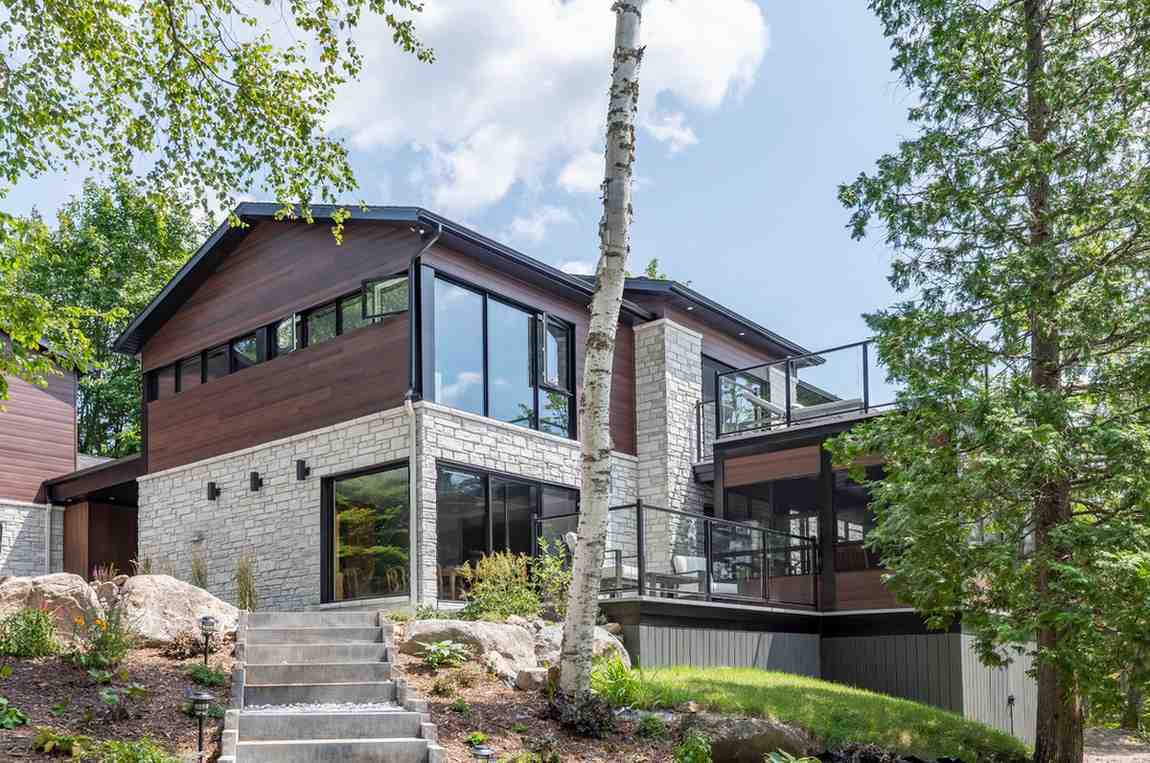
Whether you're building a new home or updating an existing exterior, aluminum siding provides an attractive combination of performance and design flexibility. It matches a variety of architectural styles and can be paired with stone, brick, or wood accents to create a distinctive exterior.
Garages, Sheds, and Outdoor Structures
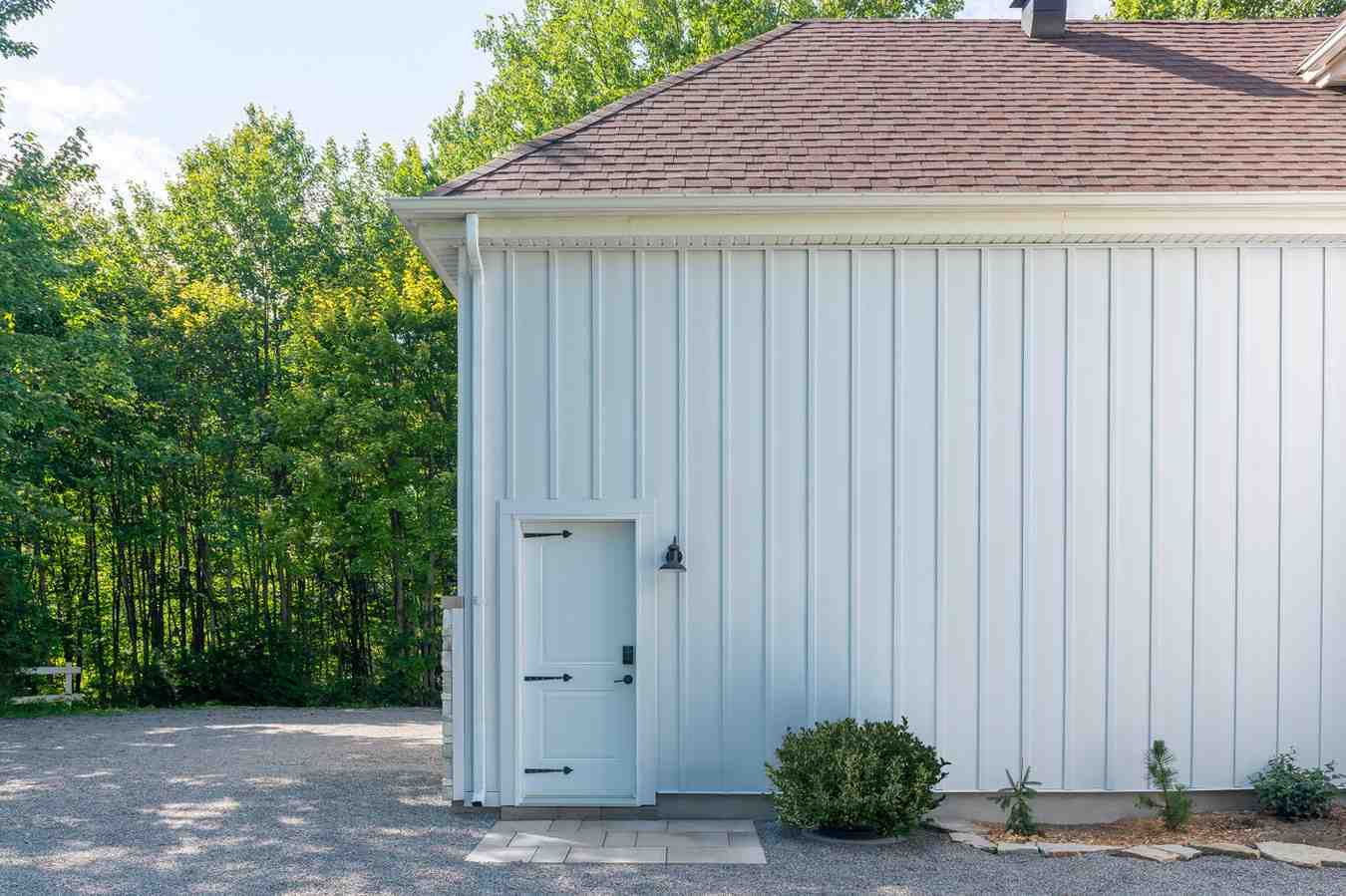
Aluminum siding is also very good choice for detached garages, workshops, garden sheds, and pool houses. Using matching siding across multiple structures creates a cohesive look throughout the property while reducing maintenance compared to traditional wood exteriors.
Commercial Buildings
From office buildings and retail spaces to educational facilities and multi-family developments, aluminum siding delivers the clean appearance many commercial projects require. Its durability and low maintenance make it a dependable option for high-traffic environments.
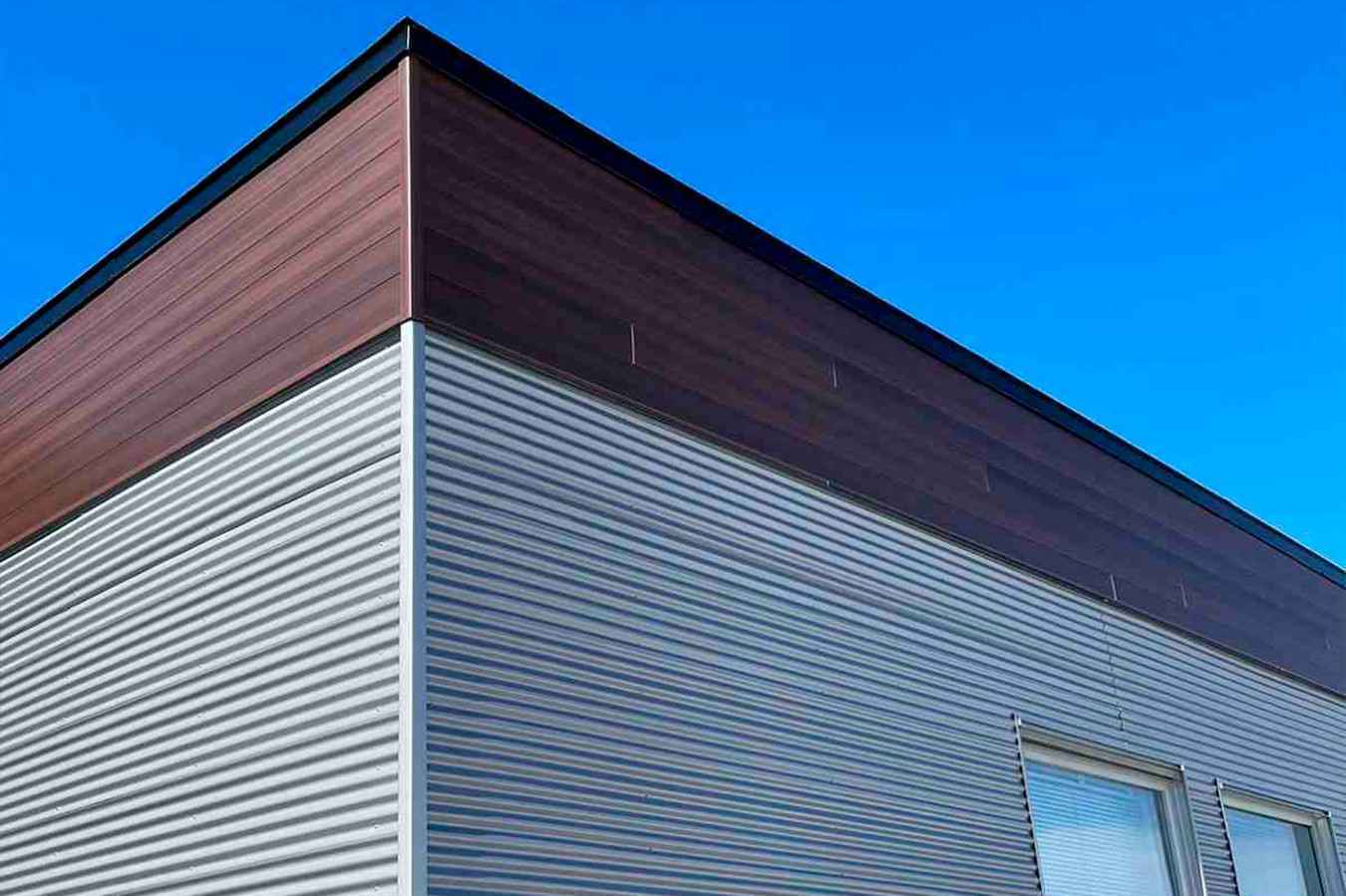
Aluminum Siding Installation: What Homeowners Should Know
A quality siding system works best when installed correctly. While aluminum siding installation should always follow the manufacturer's specifications, homeowners don't need to understand every technical detail they simply need to know what contributes to a successful project.
A professional installation generally includes:
- Inspecting and preparing the existing wall structure.
- Installing a weather-resistant barrier to help protect against moisture.
- Creating a level support system for proper panel alignment.
- Allowing for natural expansion and contraction of aluminum.
- Installing trims, corners, and finishing accessories to complete the system.
Professional installation helps ensure the siding performs as intended, helps protect against the elements, and supports warranty requirements.
Tip: Even the highest-quality siding can underperform if installed incorrectly. Choosing experienced installers is just as important as selecting the right product.
How to Maintain Aluminum Siding
One reason many homeowners choose aluminum siding is that it requires very little ongoing maintenance.
A simple care routine can help keep it looking for its best and long-term performance.
Basic Maintenance Tips
- Wash the siding once or twice a year using water.
- Inspect trims and joints after severe storms.
- Keep gutters and downspouts clear to prevent excess water exposure.
- Trim nearby vegetation to avoid scratching the finish.
- Check sealants around windows and doors during seasonal inspections.
These simple steps can help keep your home exterior looking for its best for years to come.
How Long Does Aluminum Siding Last?
The lifespan of aluminum siding depends on several factors, including product quality, installation, local climate, and routine maintenance.
- Heavy rain
- Snow and ice
- UV exposure
- Strong winds
- Seasonal temperature changes
Unlike materials that may rot or attract insects, aluminum provides dependable performance over time with minimal upkeep.
What Influences the Cost of an Aluminum Siding Project?
Every home is different, so the overall investment varies from project to project.
Instead of focusing on pricing alone, homeowners should understand the factors that influence the scope of work.
These include:
- Home size
- Panel profile
- Color and finish
- Trim and accessory requirements
- Installation complexity
- Existing wall preparation
- Architectural details
Looking for detailed pricing information? Read our Complete Aluminum Siding Cost Guide, where we explain project costs, budgeting tips, and the factors that influence pricing in greater detail.
Common Mistakes to Avoid
Choosing exterior siding is a long-term investment, and avoiding a few common mistakes can save time, money, and future maintenance.
Choosing Based Only on Appearance
An attractive color is important, but durability, maintenance, and climate performance should also influence your decision.
Ignoring Local Weather Conditions
Choose a siding system designed to perform well in your region's climate, especially if your area experiences snow, heavy rainfall, or fluctuating temperatures.
Selecting the Wrong Profile
Different siding profiles match different architectural styles. Selecting the right profile helps create an exterior that looks well planned.
Hiring Inexperienced Installers
Proper installation plays a major role in siding's long-term performance. Working with experienced professionals helps reduce the risk of future issues.
Thinking Only About Upfront Cost
Consider long-term value rather than focusing solely on the initial investment. Durability, maintenance, warranty, and expected lifespan all contribute to the overall value of your project.
Homeowner Checklist Before Choosing Aluminum Siding
Use this checklist before making your final decision.
Planning Checklist
- Define your renovation goals and budget.
- Choose a siding profile that matches your home's architecture.
- Compare available colors and finishes.
- Consider your local climate.
- Review warranty coverage.
- Plan matching soffit, fascia, and trim.
- Work with experienced installers.
- Request product samples before making a final decision.
Conclusion
Choosing the right exterior cladding is more than improving curb appeal; it's about protecting your investment for years to come. Aluminum siding combines durability, modern design, and low maintenance, making it a very good choice for homeowners, builders, and commercial property owners alike.
By understanding the available styles, installation considerations, maintenance requirements, and long-term benefits, you can choose a siding solution that matches your property while providing dependable protection in changing weather conditions.
Whether you're planning a complete exterior renovation or designing a new build, taking the time to compare your options today can help ensure results you'll enjoy for years to come.
Explore Rialux Aluminum Siding Solutions
Rialux offers aluminum siding solutions designed to combine modern aesthetics with long-term durability. Whether you're looking for aluminum siding panels for a contemporary home, vertical aluminum siding to create a bold architectural statement, or complete exterior solutions for residential or commercial projects, our collections are designed to meet a variety of design and performance requirements.