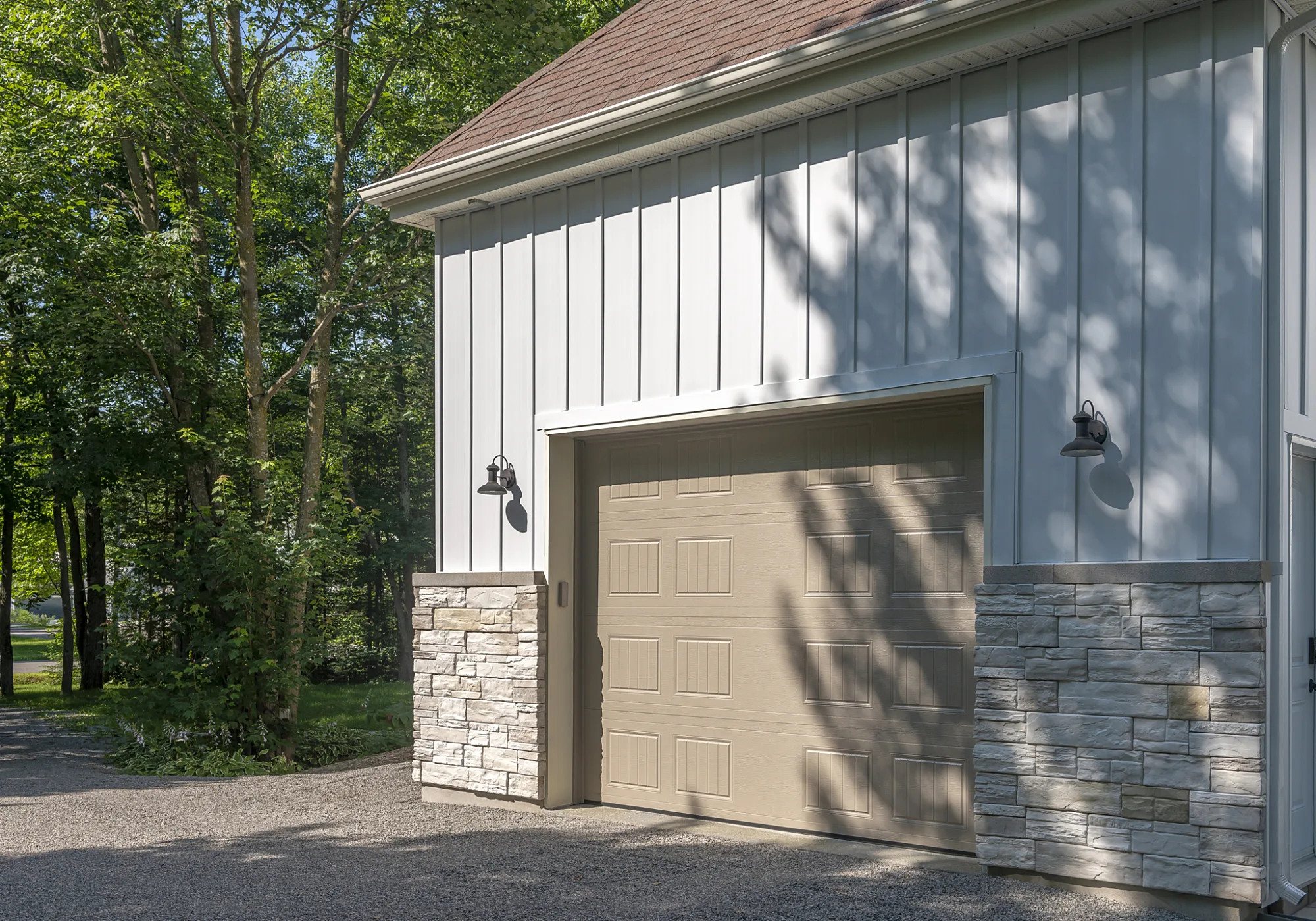
Board and batten siding is one of the most recognizable exterior styles used in both traditional and modern homes. If you have been searching for what is board and batten siding, the answer is simple. It is a vertical siding system where wide boards are installed side by side and narrow strips called battens are placed over the seams. This creates a clean pattern of vertical lines that gives a home a distinct look.
You will often see board and batten siding on farmhouse properties, but it has also become popular in modern designs. Many homeowners choose this style because it works well across different types of architecture while giving the exterior a strong visual structure.
What Is Board and Batten Siding?
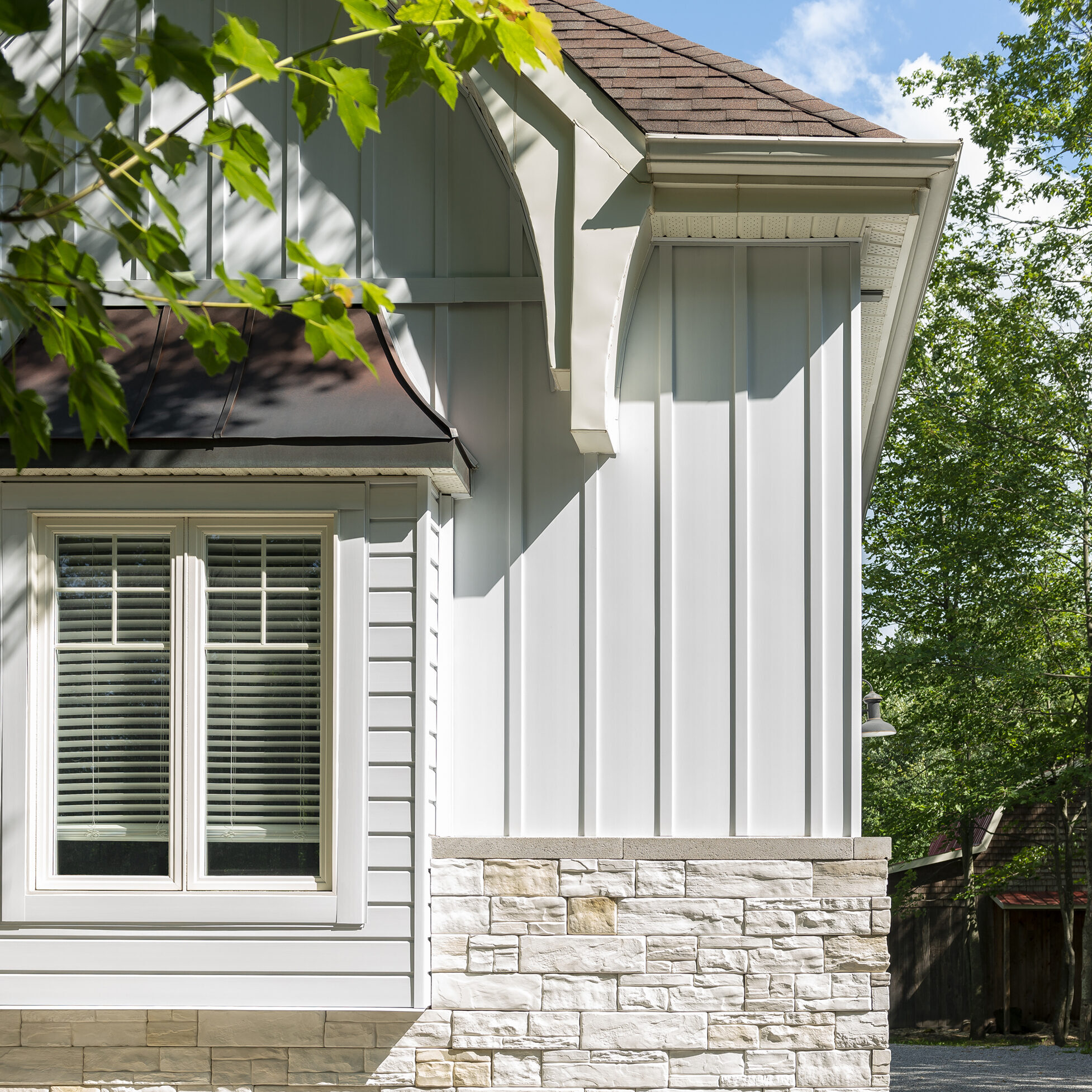
To fully understand what is board and batten, it helps to look at how it is built. The system uses two main components:
- Wide vertical boards
- Narrow battens that cover the gaps
This creates a layered look that adds depth to the board and batten exterior siding. The vertical alignment also makes a home appear taller, which is one reason it is often used in smaller homes or narrow structures.
Historically, board and batten siding was used in barns and rural buildings because it was simple to install and effective at covering joints. Today, the same concept is used in residential design, giving both classic and modern homes a clean and structured appearance. A board and batten exterior wall stand out because of its vertical rhythm. Whether used across the full façade or as an accent, it adds definition without relying on complex detailing
What are the Benefits of Board and Batten Siding?
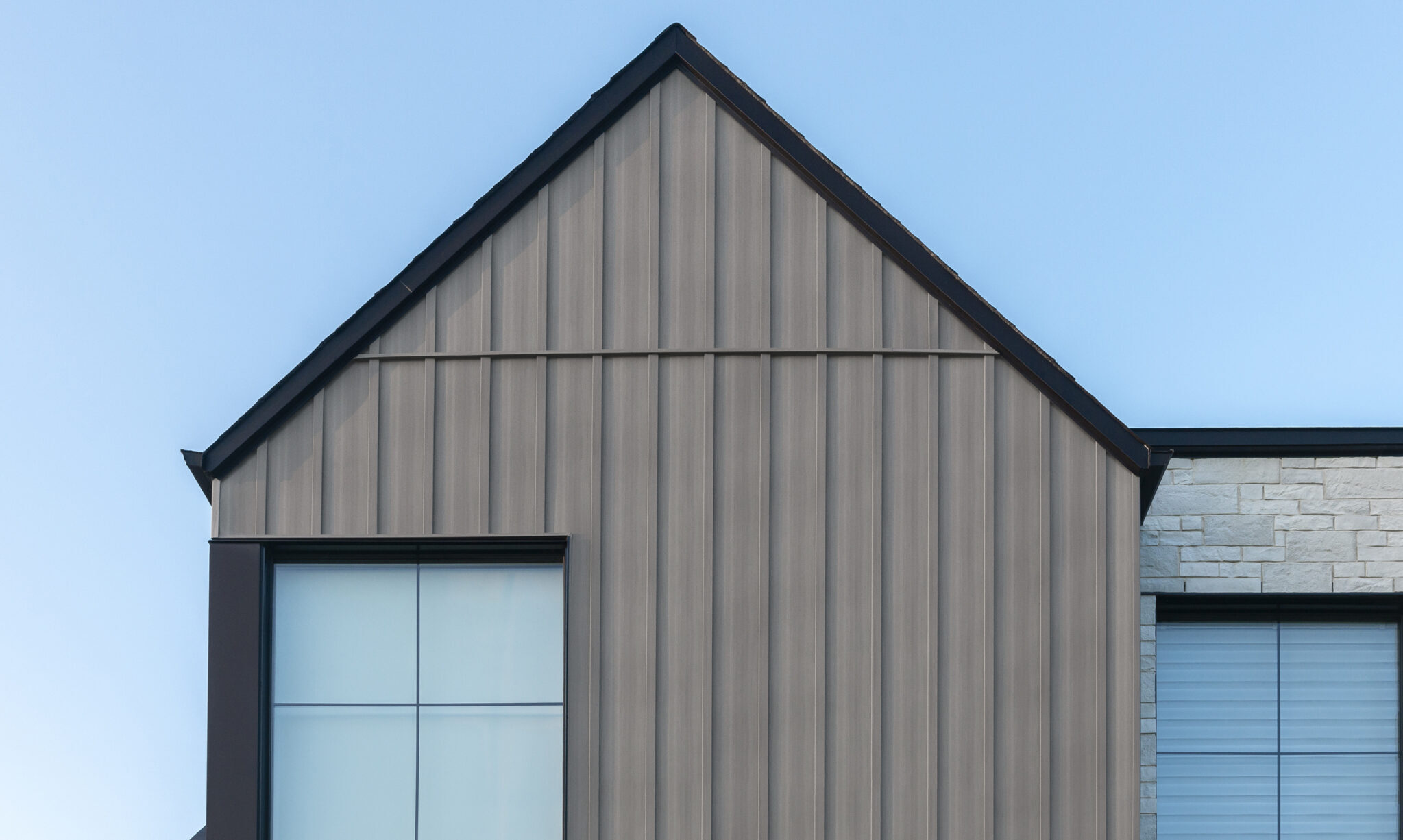
There are several reasons why board and batten siding continues to be a popular choice for homeowners and builders.
- Clean and Defined Appearance - The vertical lines create a strong and organized look. A board and batten house often appears taller and more refined compared to horizontal siding.
- Works Across Different Styles - From farmhouse board and batten siding to modern builds, this siding style adapts easily. It can be used on full exteriors or combined with other materials.
- Flexible Design Options - You can choose different colors to create different looks. This makes board and batten house siding suitable for both simple and detailed designs.
- Long-Term Performance - Depending on the material, board and batten exterior siding can hold up well over time with minimal upkeep.
Types of Board and Batten Siding Materials
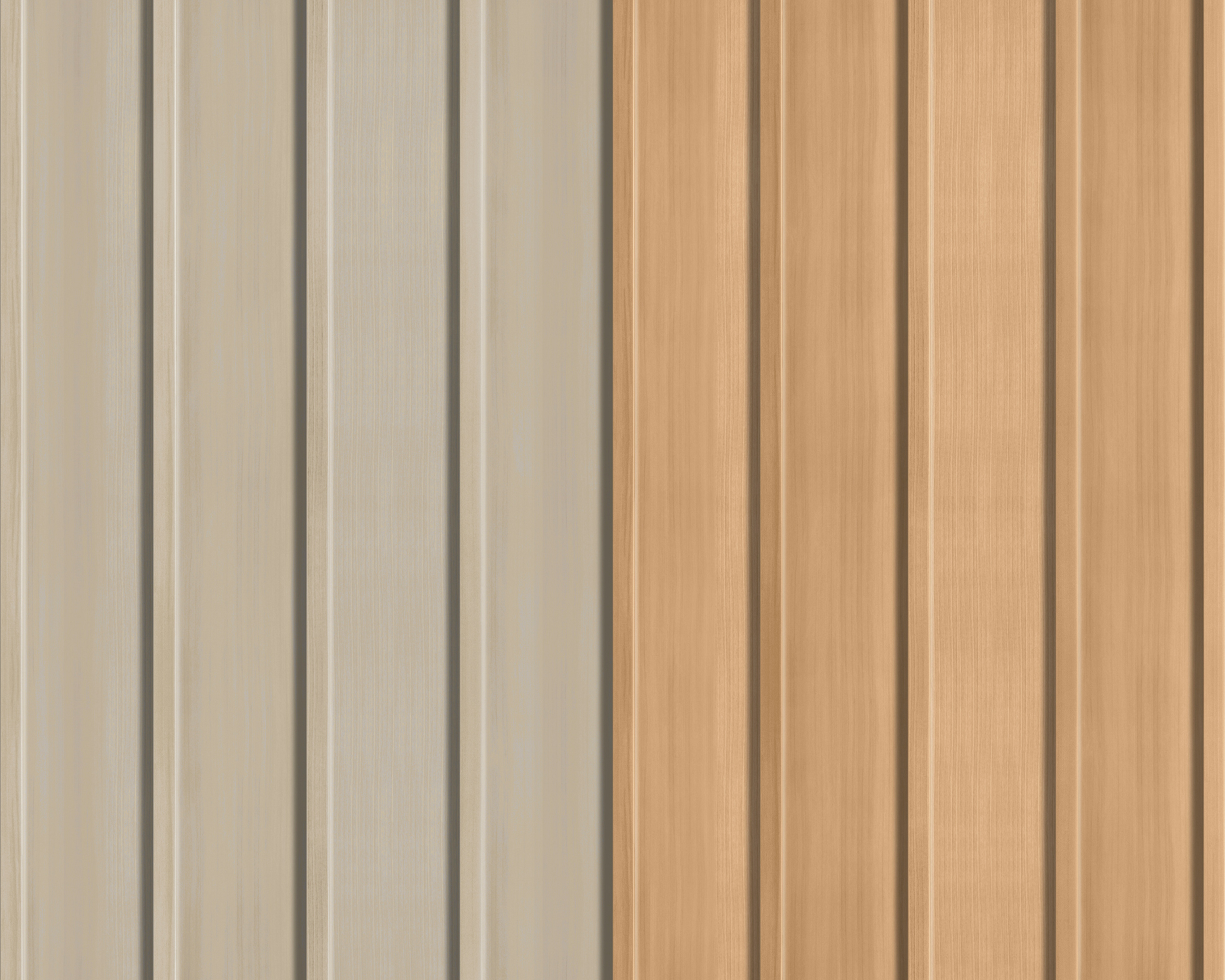
The look of board and batten siding stays the same, but the material you choose can change how it performs and how much maintenance it needs.
- Aluminum - Aluminum board and batten siding has become a preferred choice for modern homes. It offers a consistent finish, clean lines, and requires very little maintenance compared to traditional materials. Many homeowners exploring board and batten siding today are moving toward aluminum for its long-term ease of use. You can explore vertical aluminum profiles like the Bolton Collection to see how this style is applied in real exterior projects.
- Vinyl - Vinyl is a common option for board and batten exterior siding because of its lower upfront cost. It is lightweight and easy to install, though it may not offer the same refined finish as other materials.
- Fiber Cement - Fiber cement is known for its strength and ability to handle different weather conditions. It is often used in board and batten house siding where durability and stability are important. However, it is a heavier material that can make installation more labor-intensive and may require higher upfront costs compared to other siding options.
- Engineered Wood - This material gives the look of natural wood with improved resistance to moisture and movement. It is a practical option for homeowners who want a wood-style board and batten exterior with less maintenance. However, it still requires periodic maintenance and may not offer the same long-term durability or low upkeep as aluminum siding.
- Cedar and Natural Wood - Cedar is one of the most traditional materials used in board and batten siding. It provides a natural texture and warm appearance. However, it requires regular maintenance such as staining or painting to maintain its look over time.
Board and Batten Siding Styles for Different Homes
One of the biggest advantages of board and batten siding is how well it fits different types of homes.
1. Farmhouse Style
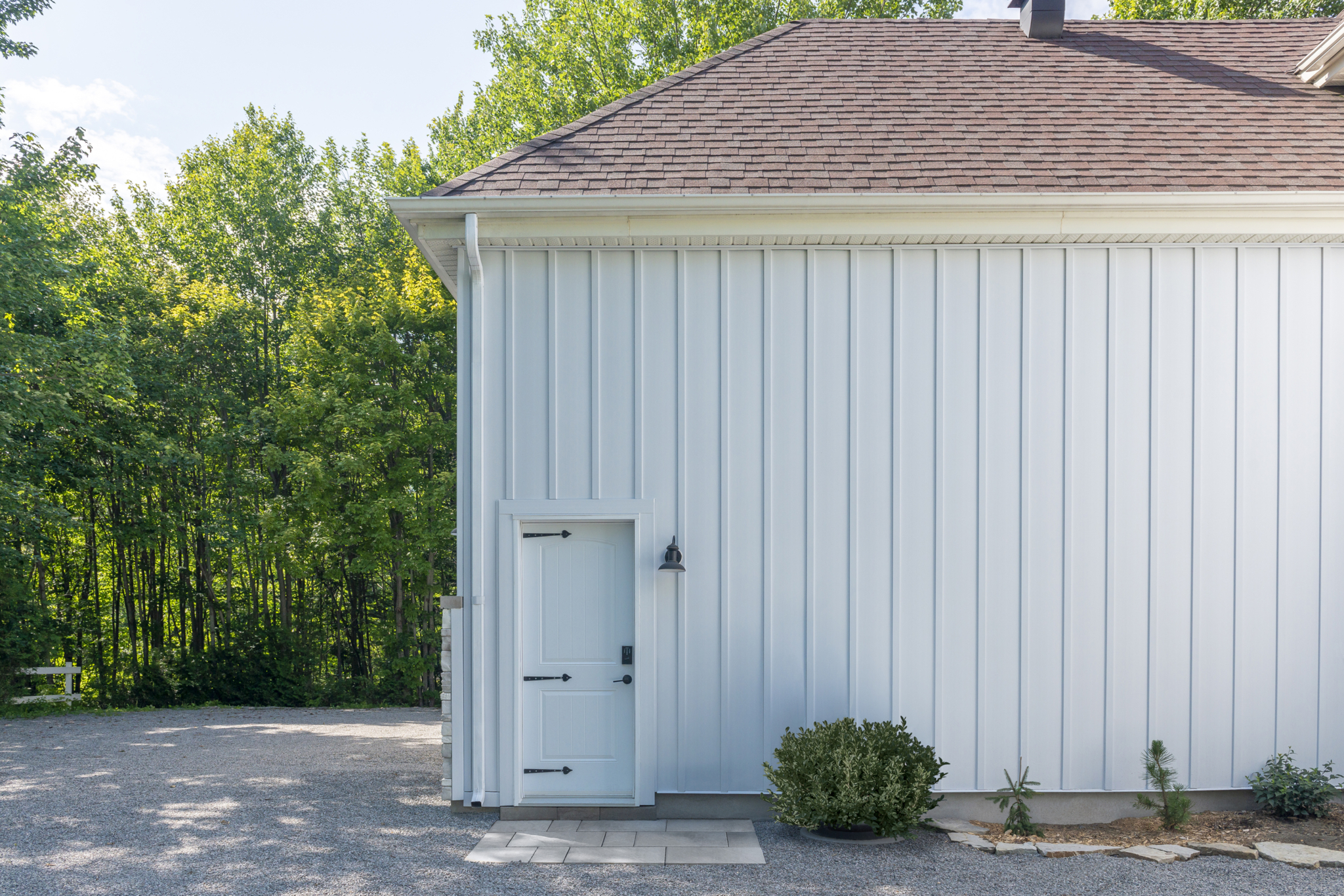
This is the most common use. Farmhouse board and batten siding often features white siding with contrasting trims. It creates a simple and balanced exterior.
2. Modern Homes
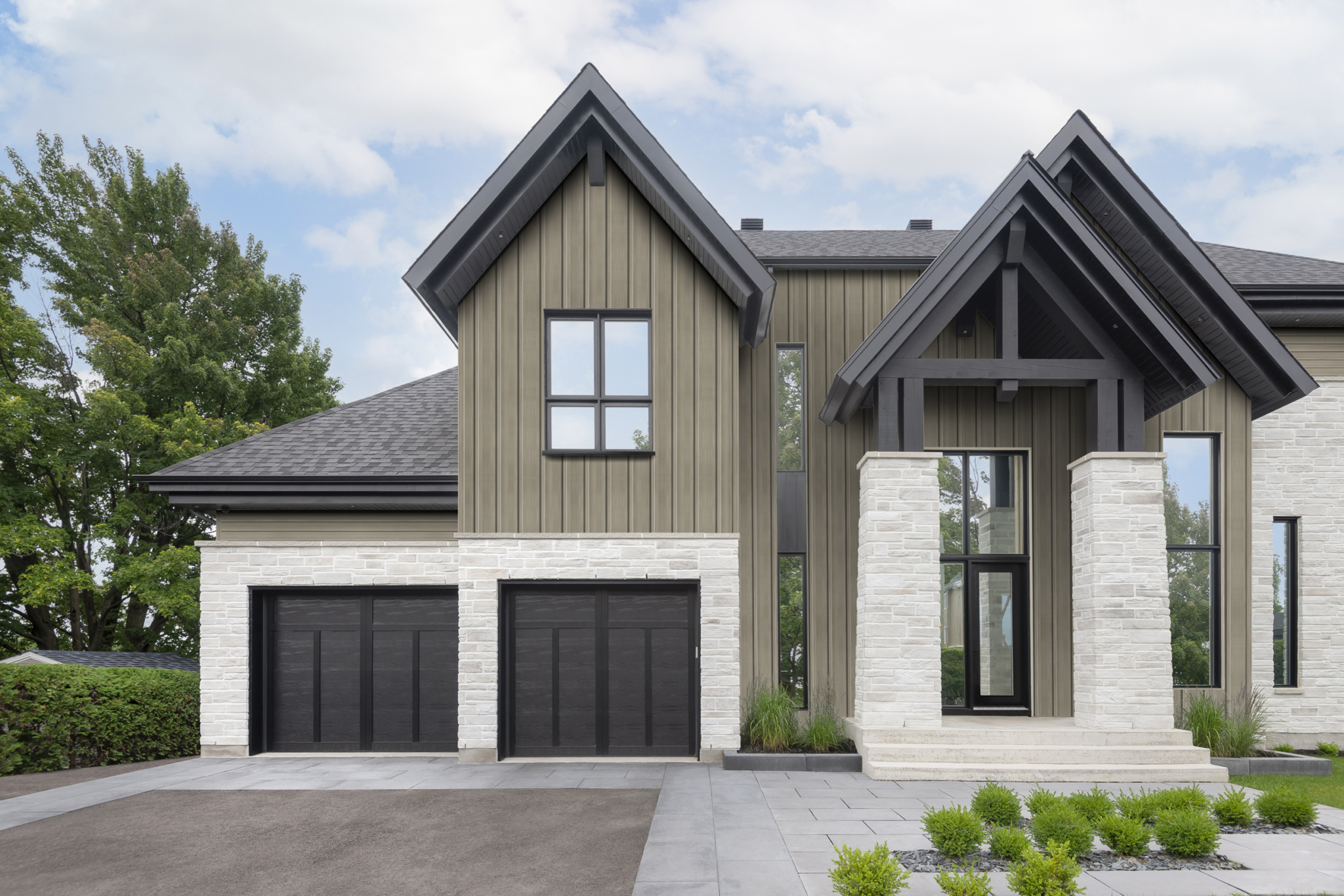
Modern designs use darker tones like black board and batten. The clean vertical lines work well with minimal architectural details.
3. Transitional Homes
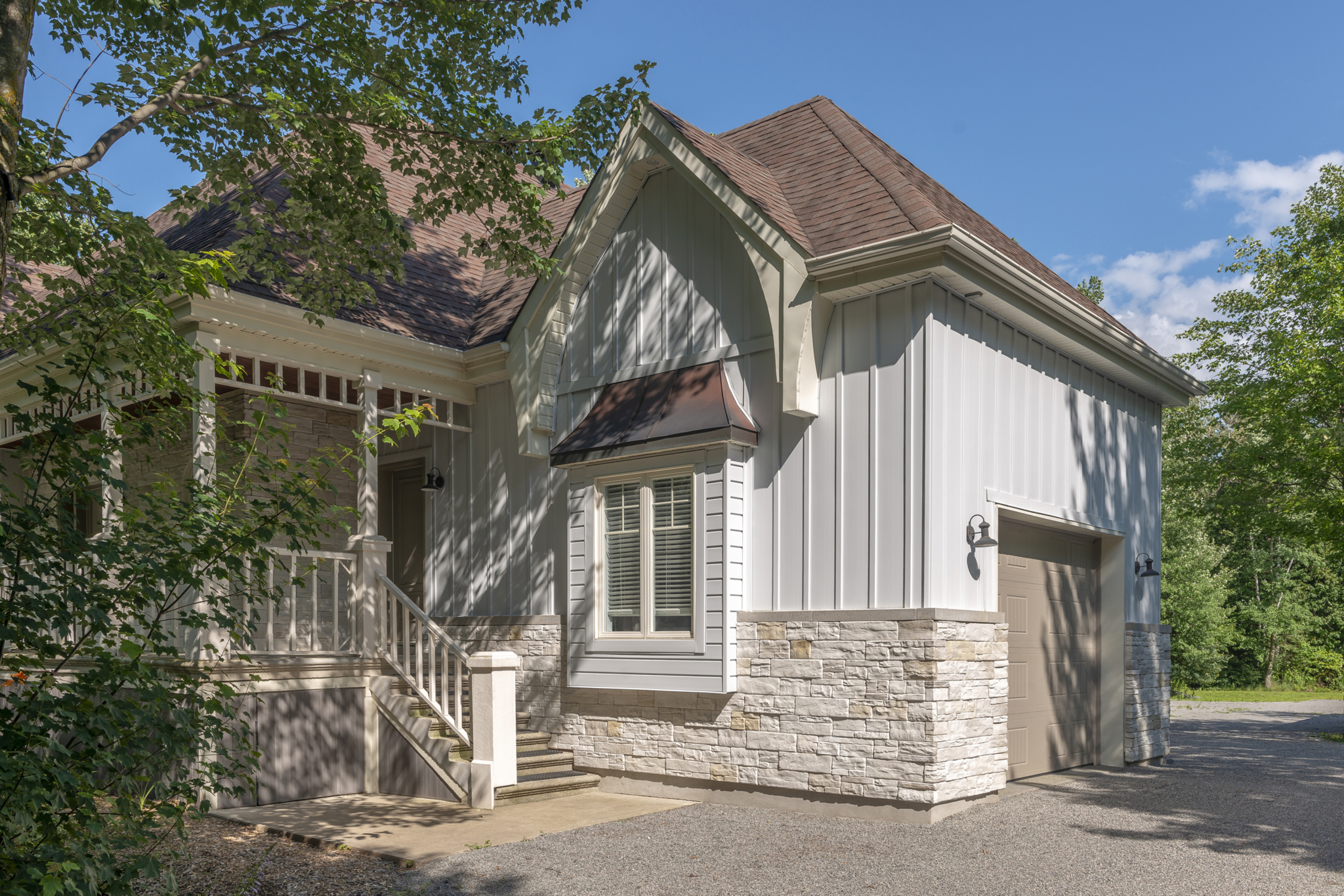
Many homes combine board and batten exterior siding with other materials to create a balanced look between traditional and modern.
4. Smaller Homes and Cottages
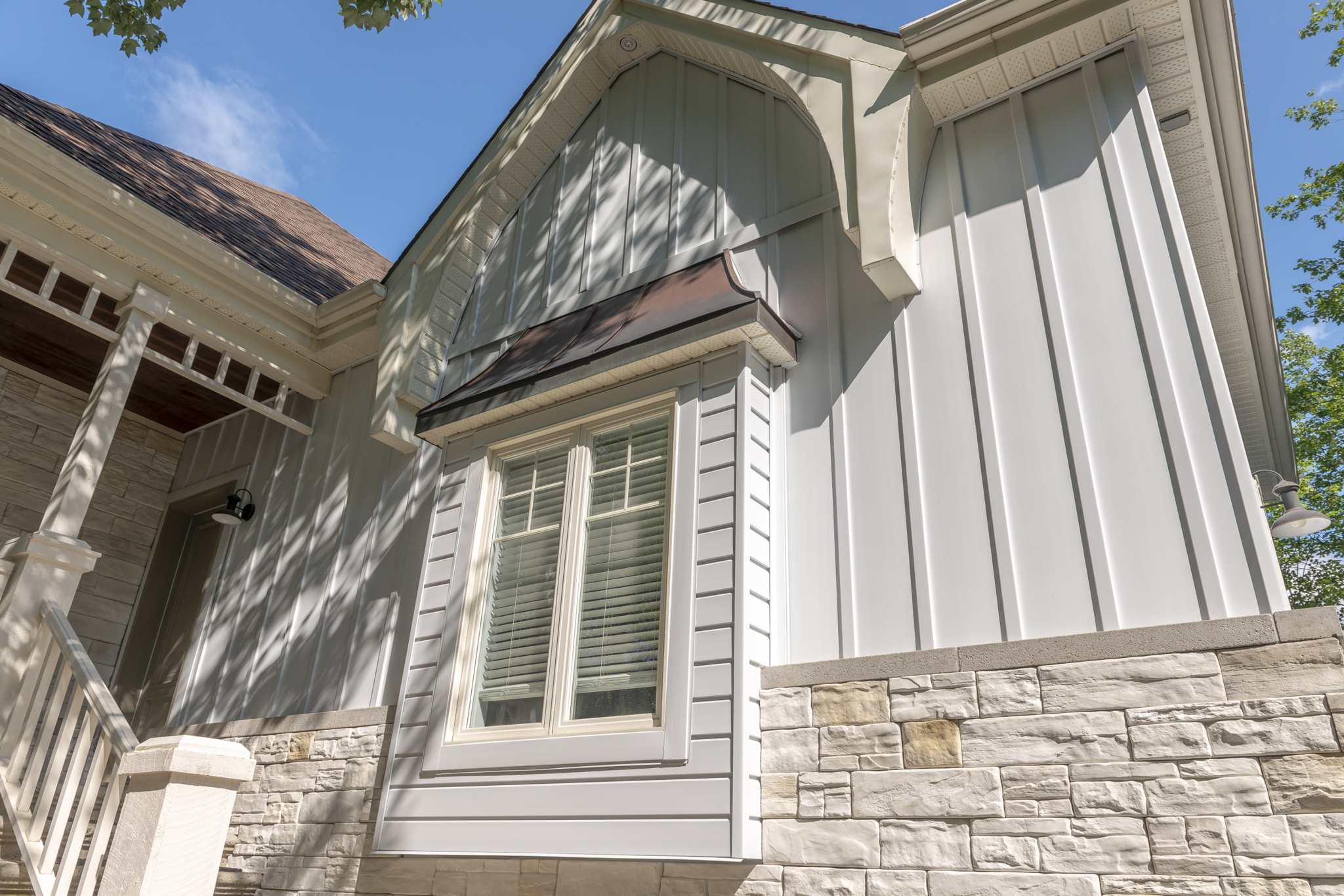
Vertical siding helps smaller structures appear taller. This makes houses with board and batten siding feel more proportionate and visually appealing.
Board and Batten Siding Design Ideas
If you are looking for board and batten siding ideas, there are several ways to use this style across different types of homes.
1. Full Exterior Application: Using board and batten siding across the entire home creates a clean and uniform appearance. This approach works well for both modern and farmhouse designs.
2. Accent Walls: A board and batten exterior wall can be used as an accent on entryways or upper sections of a home. This adds contrast without covering the entire façade.
3. Mixed Materials: Board and batten siding is often paired with brick or stone to create depth and variation in exterior design. This combination works well for homeowners who want a balanced and layered look. You can explore masonry options through the Rinox Masonry Collection for ideas on combining siding with stone or brick finishes.
4. Vertical Emphasis Layouts: Because of its vertical structure, board and batten siding designs naturally draw the eye upward. This makes it a good option for homes that need a stronger visual presence.
These board and batten siding designs give flexibility without overcomplicating the exterior.
Best Colors for Board and Batten Siding
Color plays a major role in how board and batten siding looks on a home. The right shade can completely change the overall feel of the exterior.
1. Wood Look Shades (Brown Tones)
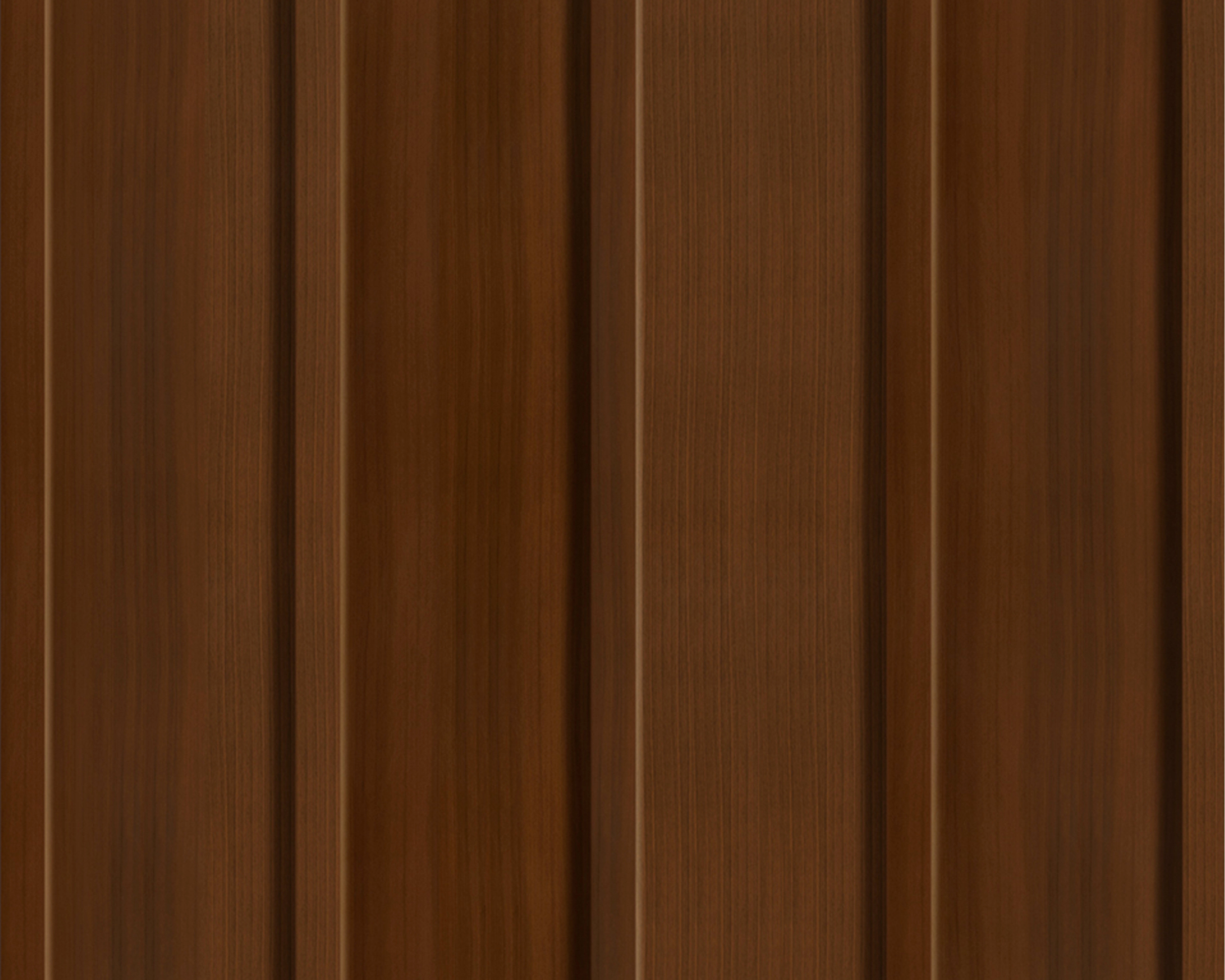
Wood-inspired finishes are a popular choice for homeowners who want a natural look without using real wood. Rialux offers a range of brown tones from light to dark, including shades like Sienna, Bark, and Dark Walnut. These colors give the appearance of wood while maintaining the clean lines of board and batten siding.
2. White Board and Batten Siding
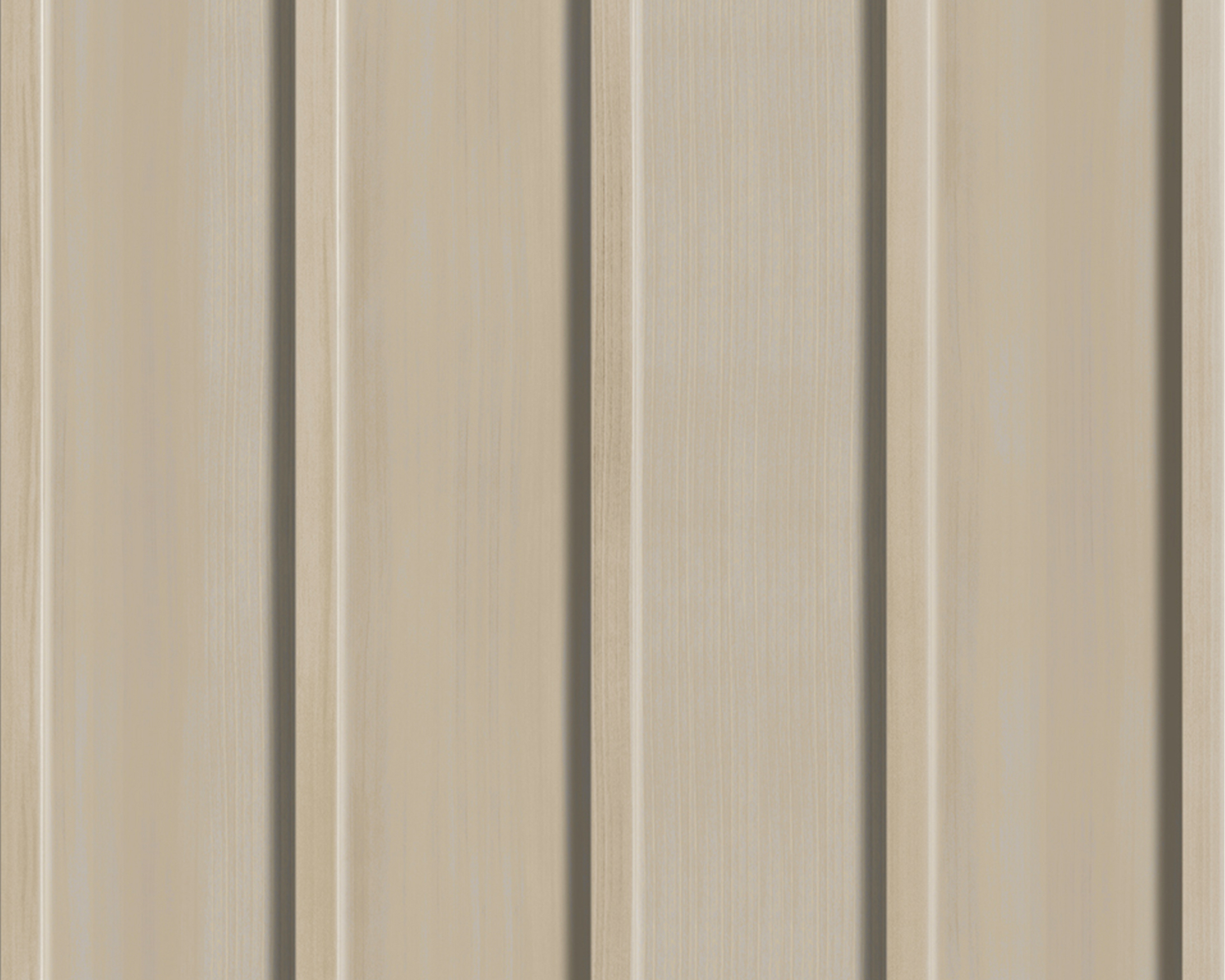
White remains one of the most common choices, especially for farmhouse board and batten siding. Shades like Birch and Basla from Rialux create a clean and bright exterior that works well with contrasting trims.
3. Black Board and Batten

Black is often used in modern homes to create a bold and defined look. Rialux offers deeper tones like Ebony, which pair well with minimal designs and sharp architectural lines.
4. Grey Tones
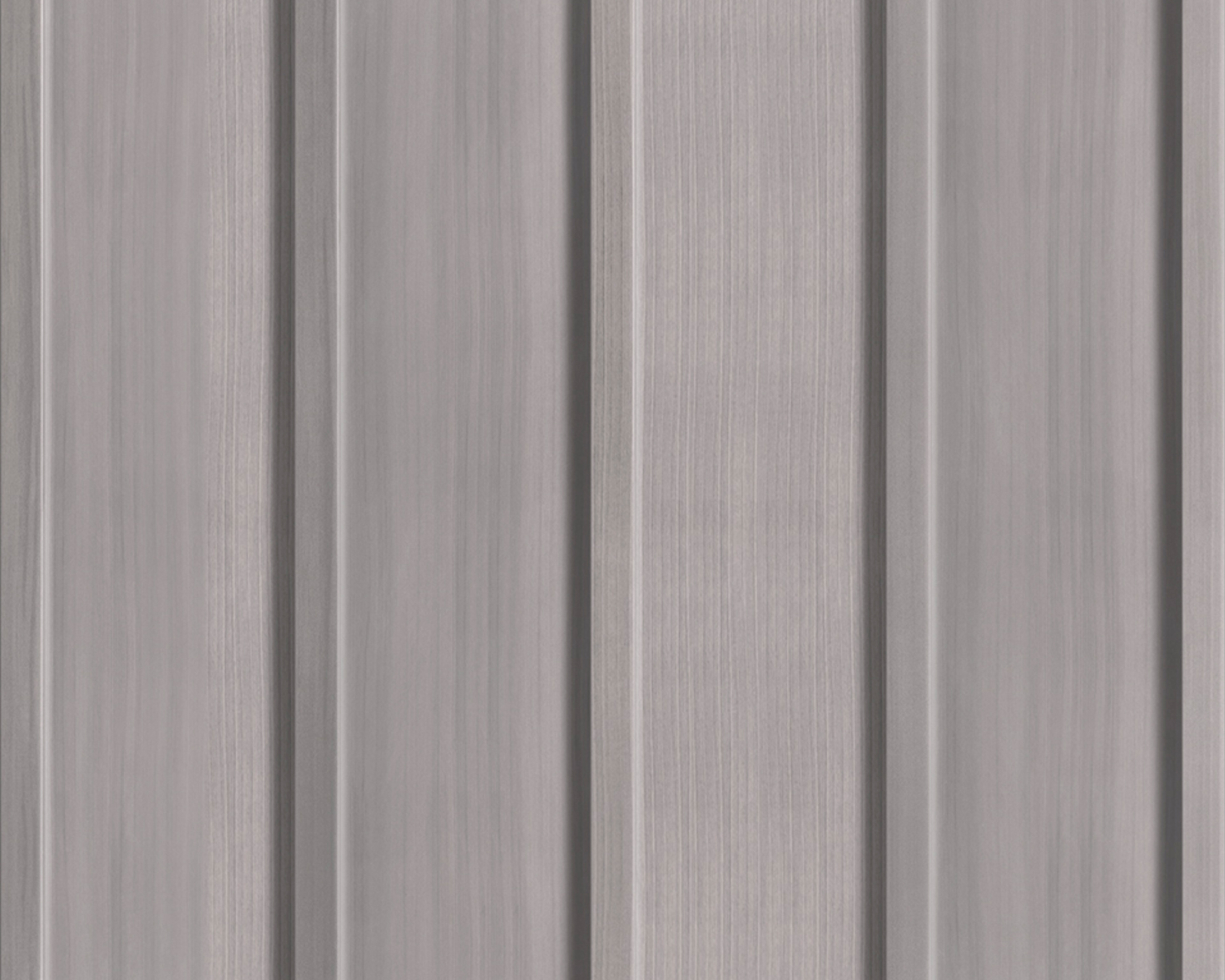
Grey shades provide a balanced and neutral appearance. Options like Grey Oak and Driftwood are commonly used in both modern and transitional homes.
5. Nordic Cedar
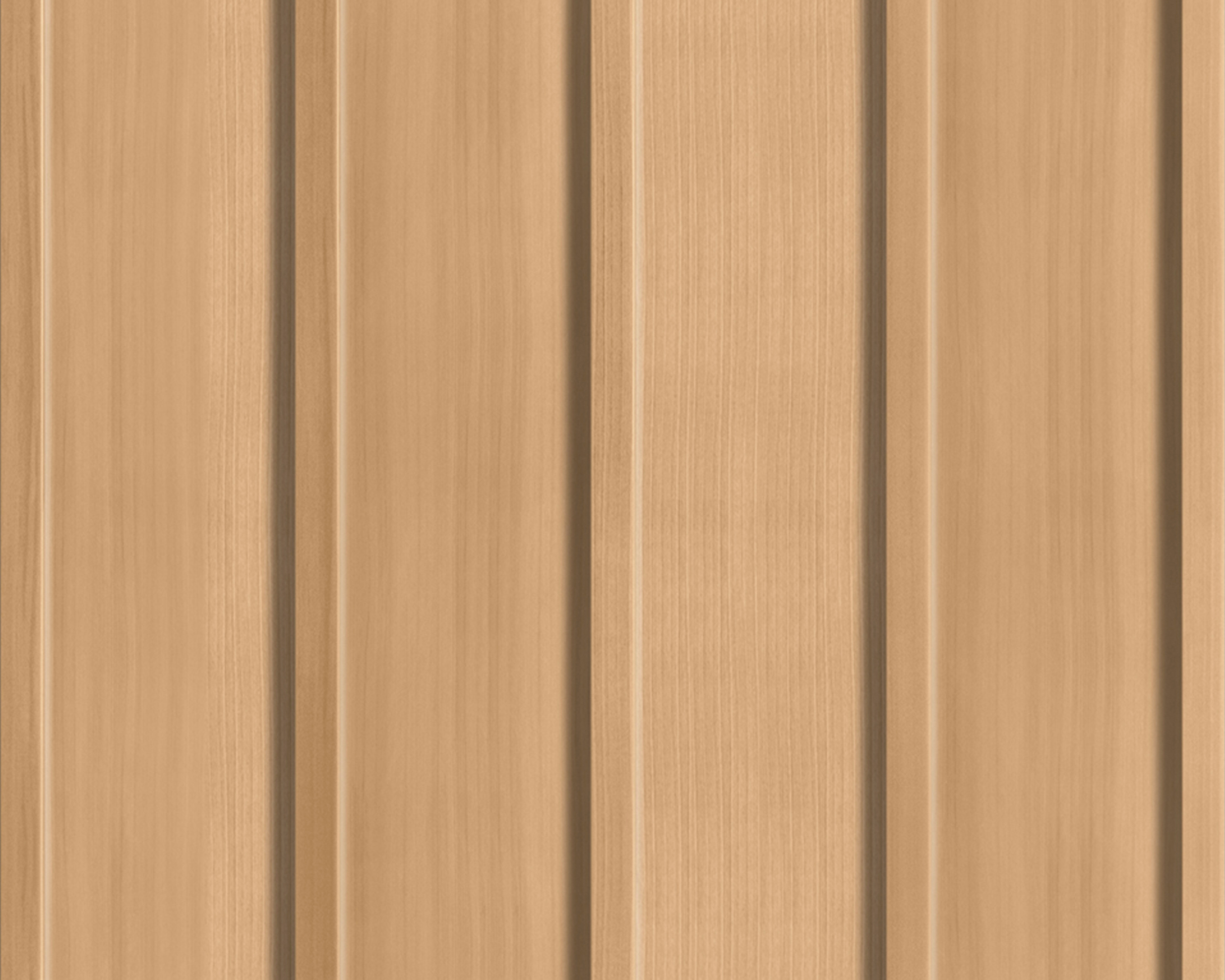
For those looking for a warm wood-inspired finish, Nordic Cedar offers a lighter tone that works well in contemporary and natural settings.
Board and Batten Siding Cost
Understanding the board and batten siding cost helps homeowners plan their project more clearly. The total cost usually depends on material choice, installation requirements, and the level of customization involved in the design.
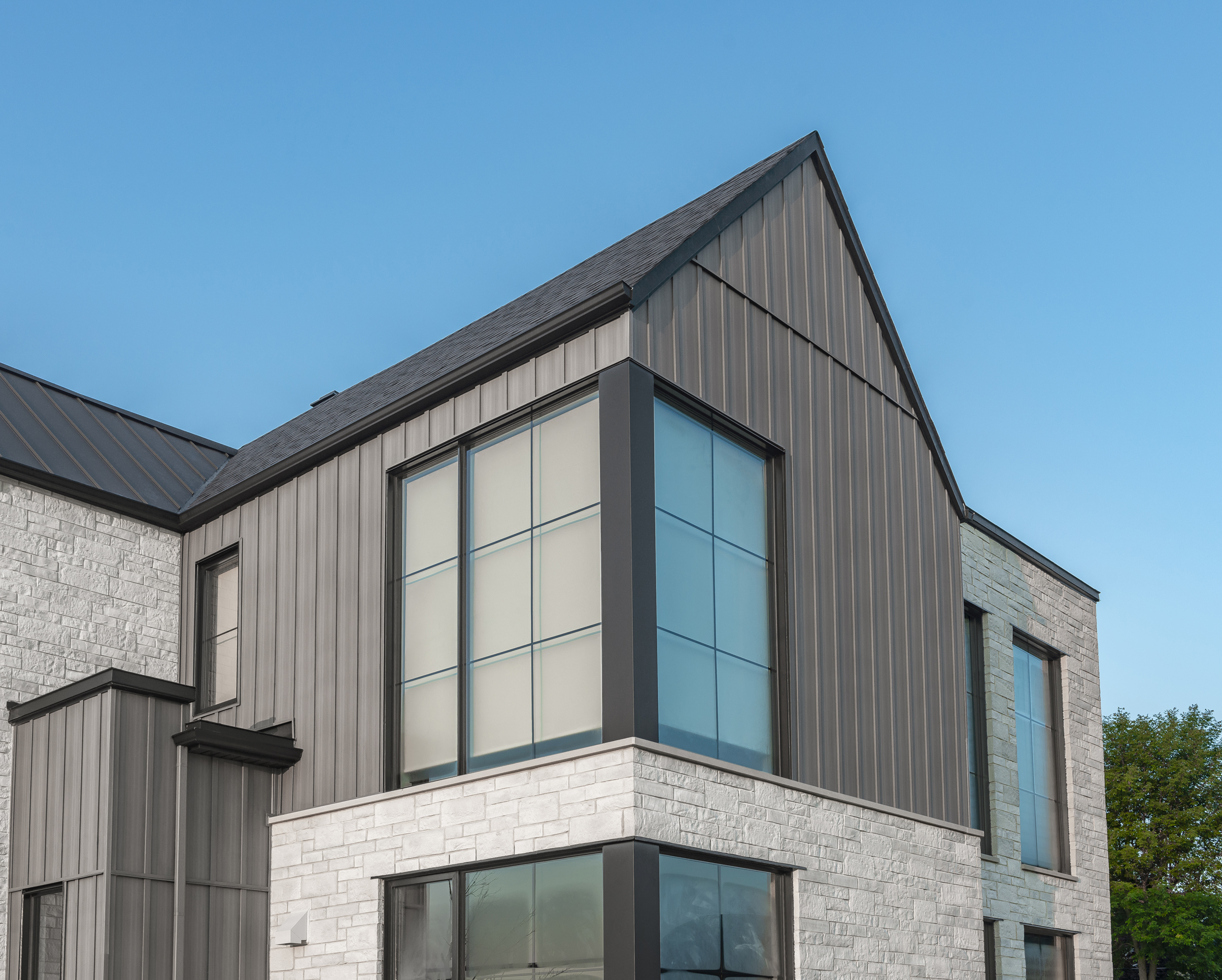
Material Impact on Cost
The type of material you choose has a direct effect on the overall board and batten siding cost. Each option comes with its own price range, maintenance needs, and long-term value.
- Wood and cedar are often selected for their natural look but may require ongoing maintenance
- Fiber cement offers a more stable structure with less frequent upkeep
- Vinyl is typically chosen for lower upfront cost and easier installation
- Aluminum board and batten siding is often preferred for its clean finish and reduced maintenance over time
Material selection plays a key role not just in initial cost, but also in how much you may spend maintaining the board and batten exterior siding in the future.
Installation and Labor Considerations
Labor is another important factor when estimating the cost of installing board and batten siding. Since this style uses vertical alignment, proper spacing and placement are essential for achieving a clean and consistent look.
Projects that involve:
- Custom spacing or unique layouts
- Larger exterior surfaces
- Removal of existing siding
may require additional time and labor, which can increase overall costs.
Additional Components and Finishing
Beyond the main siding panels, there are several supporting elements that contribute to the total project cost.
These may include:
- Board and batten trim pieces
- Moisture barriers and flashing
- Fasteners and sealing materials
- Paint or finish, depending on the material
All of these components are necessary to complete a proper board and batten exterior wall installation.
Long-Term Cost Considerations
While upfront cost is important, it is equally important to consider long-term expenses. Some materials may cost less initially but require more maintenance over time.
For example:
- Wood may need repainting or sealing
- Vinyl may require occasional replacement in certain sections
- Metal board and batten siding, especially aluminum, is often chosen for lower long-term upkeep
Looking at both initial and future costs gives a more accurate understanding of the total investment in board and batten house siding.
Why Aluminum Is a Practical Choice for Board and Batten Siding?
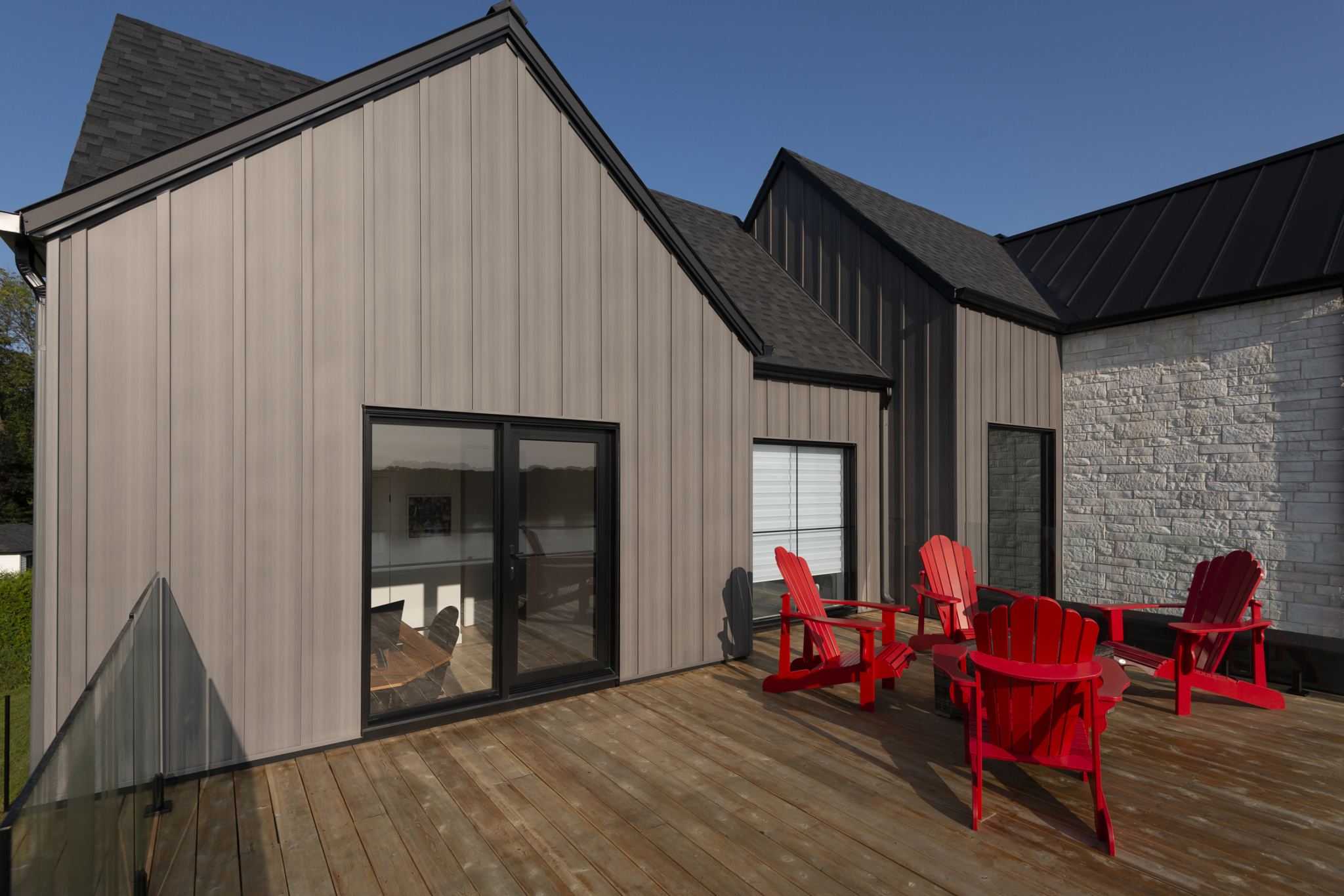
Many homeowners now prefer aluminum board and batten siding because it offers a clean finish with minimal upkeep.
- Consistent Appearance - Aluminum provides a uniform look across the entire board and batten exterior siding, which works well for modern and structured designs.
- Low Maintenance - Unlike wood, aluminum does not require frequent repainting or sealing, making it easier to maintain over time.
- Reliable in Different Conditions - It performs well in changing weather without the same concerns as traditional materials.
- Long-Term Use - For those considering metal board and batten siding, aluminum offers a practical balance between appearance and maintenance.
Is Board and Batten Siding Right for Your Home?
Choosing board and batten siding depends on your design goals and maintenance preferences.
It works well if you want:
- A clean vertical look
- A style that fits both modern and farmhouse designs
- Flexible color and layout options
A board and batten house can stand out without relying on complex details. Whether used across the full exterior or as an accent, it offers a balanced approach to exterior design.
Conclusion
Now that you understand what board and batten siding is, it becomes easier to see why it remains a popular choice. Its simple structure, flexible design options, and compatibility with different materials make it suitable for a wide range of homes. From board and batten siding ideas to material choices like aluminum board and batten siding, this style continues to adapt to modern construction while keeping its classic appeal.