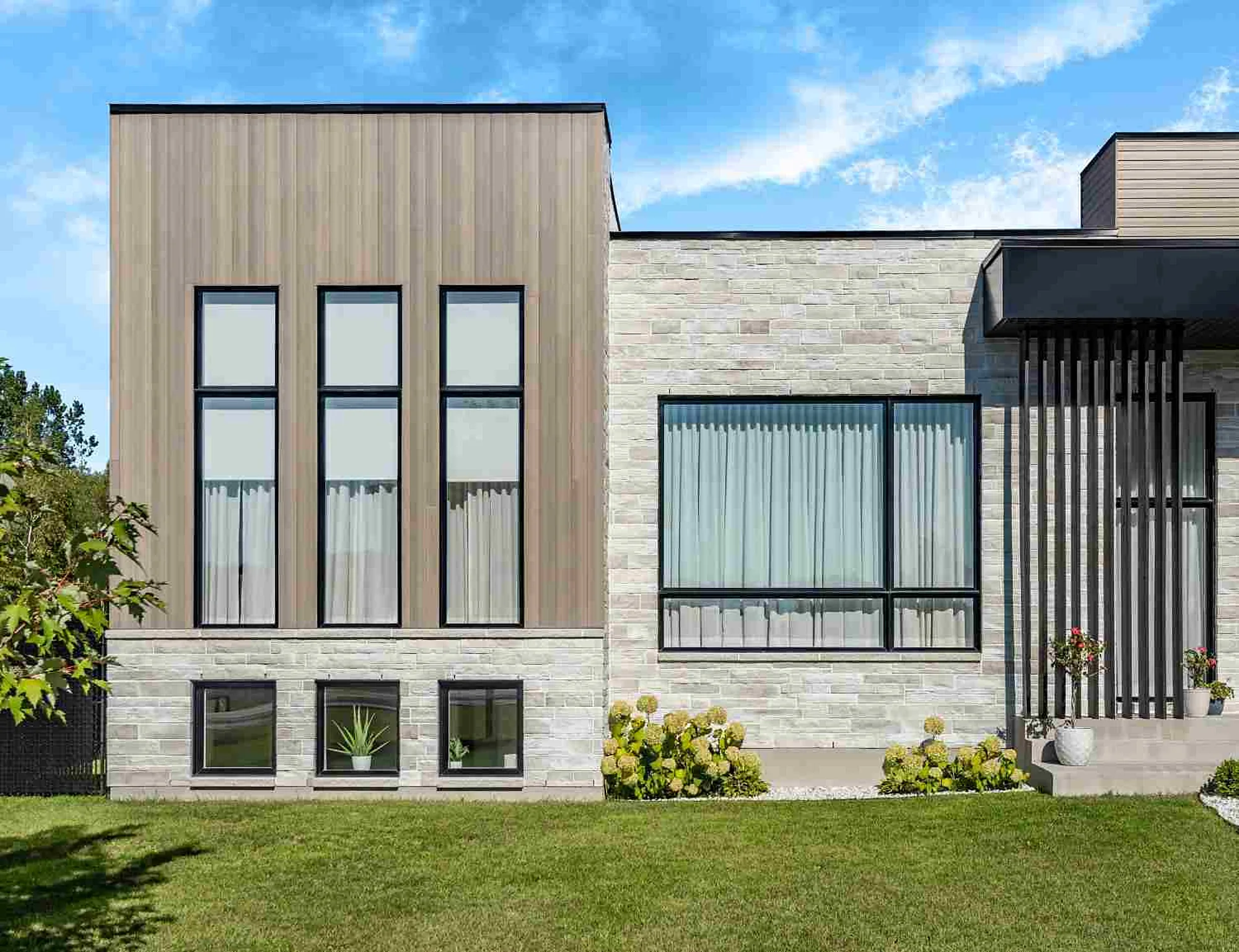
An exterior renovation can change how your home looks, performs, and functions for years to come. New siding may be the focus, but windows, roofing, trim, doors, masonry, and landscaping can all affect the result.
Choosing materials before understanding the condition of your existing exterior can also lead to unexpected work later. A good renovation plan starts with the building itself, then moves toward materials, colors, installation, and finishing details.
Start an exterior home renovation by assessing the existing structure, defining your goals, setting up a realistic budget, and choosing materials that suit your climate and home style. When selecting siding, compare durability, maintenance, appearance, installation requirements, and warranty coverage rather than choosing based on color or price alone.
Step 1: Assess Your Existing Exterior
Before choosing a new siding, inspect the condition of the exterior.
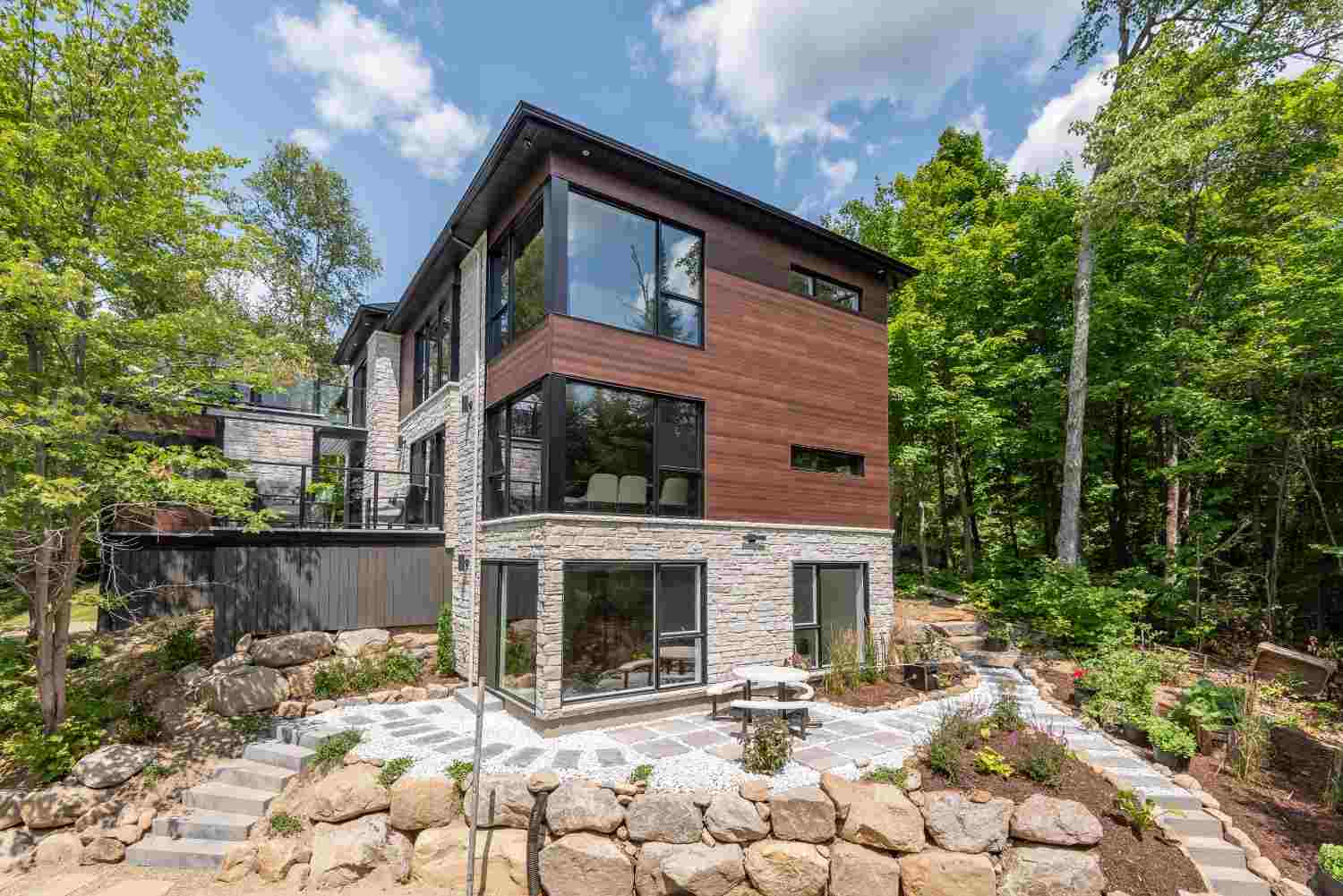
Look for:
- Damaged or deteriorated siding
- Moisture problems
- Rot around windows or doors
- Cracked or damaged masonry
- Uneven wall surfaces
- Aging trim
- Gutter and drainage issues
- Areas where previous repairs were made
This step helps determine whether you're dealing with a simple siding replacement or a larger exterior renovation.
If moisture or structural problems are present, address them before installing new exterior materials.
Planning Tip: Don't use new siding to cover unresolved moisture or structural problems. The new exterior should be installed over a sound and properly prepared wall assembly.
Step 2: Decide What You Want to Improve
Not every exterior renovation has the same goal.
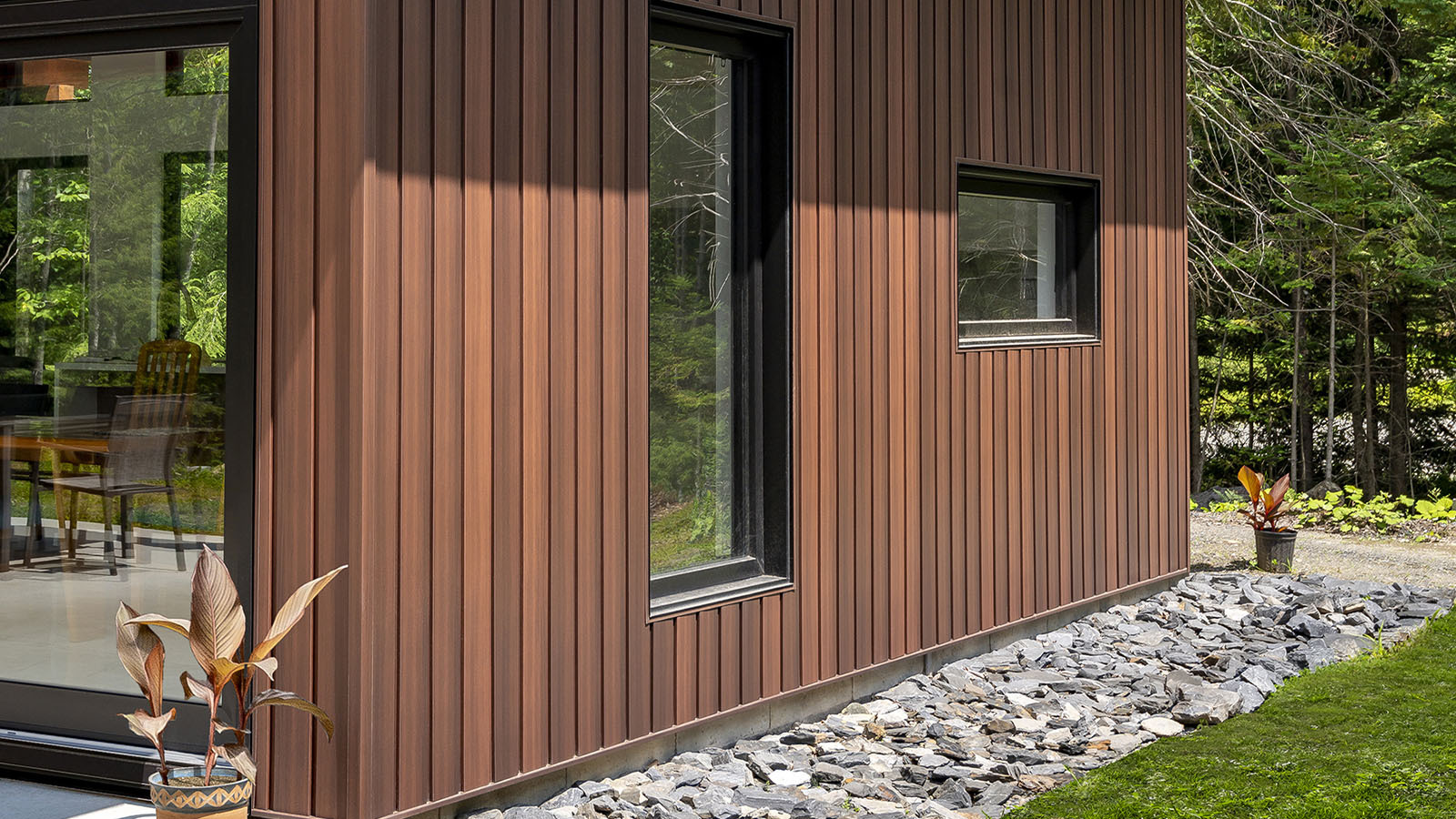
You may be looking to:
- Update an outdated appearance
- Improve curb appeal
- Replace damaged siding
- Reduce maintenance
- Coordinate several exterior materials
- Prepare a home for resale
- Improve the appearance of an addition
- Give an older home a more modern look
Write down your priorities before selecting materials. This makes it easier to separate essential improvements from features that can wait.
Step 3: Choose the Right Siding Material
Siding has a major effect on both appearance and maintenance.
Common options include aluminum, vinyl, wood, fiber cement, engineered wood, and other exterior cladding materials.
| Siding Material | Maintenance | Design Options | Key Consideration |
|---|---|---|---|
| Aluminum | Low | Modern, wood-look, varied profiles | Durability and low upkeep |
| Vinyl | Low | Many colors and profiles | Cost and climate |
| Wood | High | Natural appearance | Regular maintenance |
| Fiber Cement | Moderate | Wood-look and smooth finishes | Weight and installation |
| Engineered Wood | Moderate | Wood-inspired finishes | Maintenance requirements |
There isn't one material that works for every property. Consider your home location, architectural style, maintenance expectations, and the type of exterior you want to create.
Step 4: Consider Your Local Climate
Climate should influence your material selection.
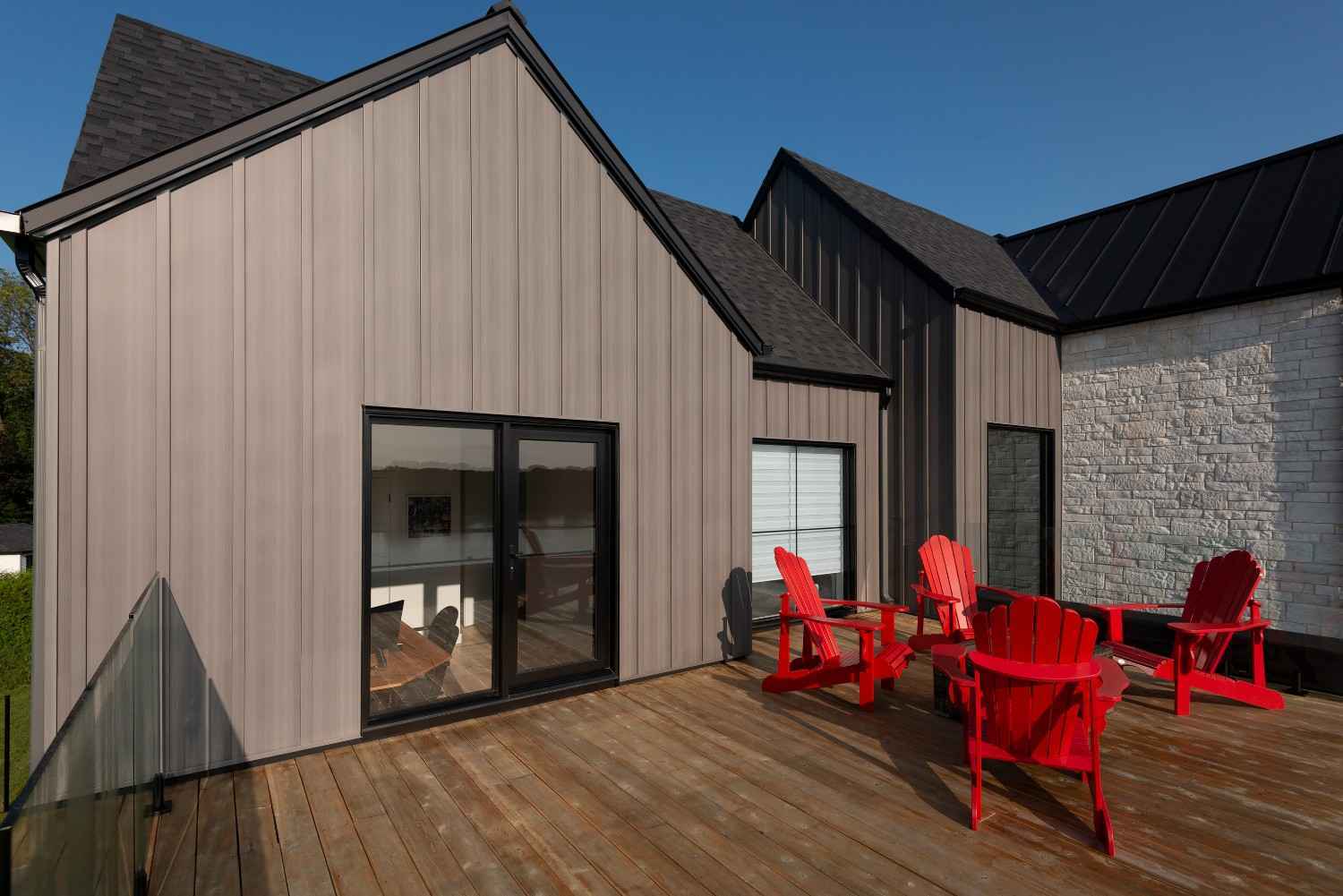
Homes in Ontario, Alberta, British Columbia, and Québec can experience very different combinations of snow, rain, humidity, temperature changes, and UV exposure.
Ask:
- How much snow does the area receive?
- Are freeze-thaw cycles common?
- Is the home exposed to strong winds?
- Does the exterior receive intense sunlight?
- Is moisture a recurring concern?
Our aluminum siding products are made entirely from aluminum, making them lightweight and rust resistant. They are tested to meet industry standards and designed for North American climate conditions, with applications for both residential and commercial projects.
Step 5: Match the Siding Profile to Your Home
Once you've narrowed down the material, consider the profile.
Different profiles create different visual effects.
Flat Profiles
Flat aluminum panels work well with modern and minimalist architecture. Rialux's Tiago Collection uses a flat profile and is suited to clean, contemporary exterior designs.
Channel Profiles
Channel-style siding can create more defined horizontal lines while working with both traditional and modern homes. The Timberland Collection uses a channel profile with a wood-inspired finish.
Board and Batten
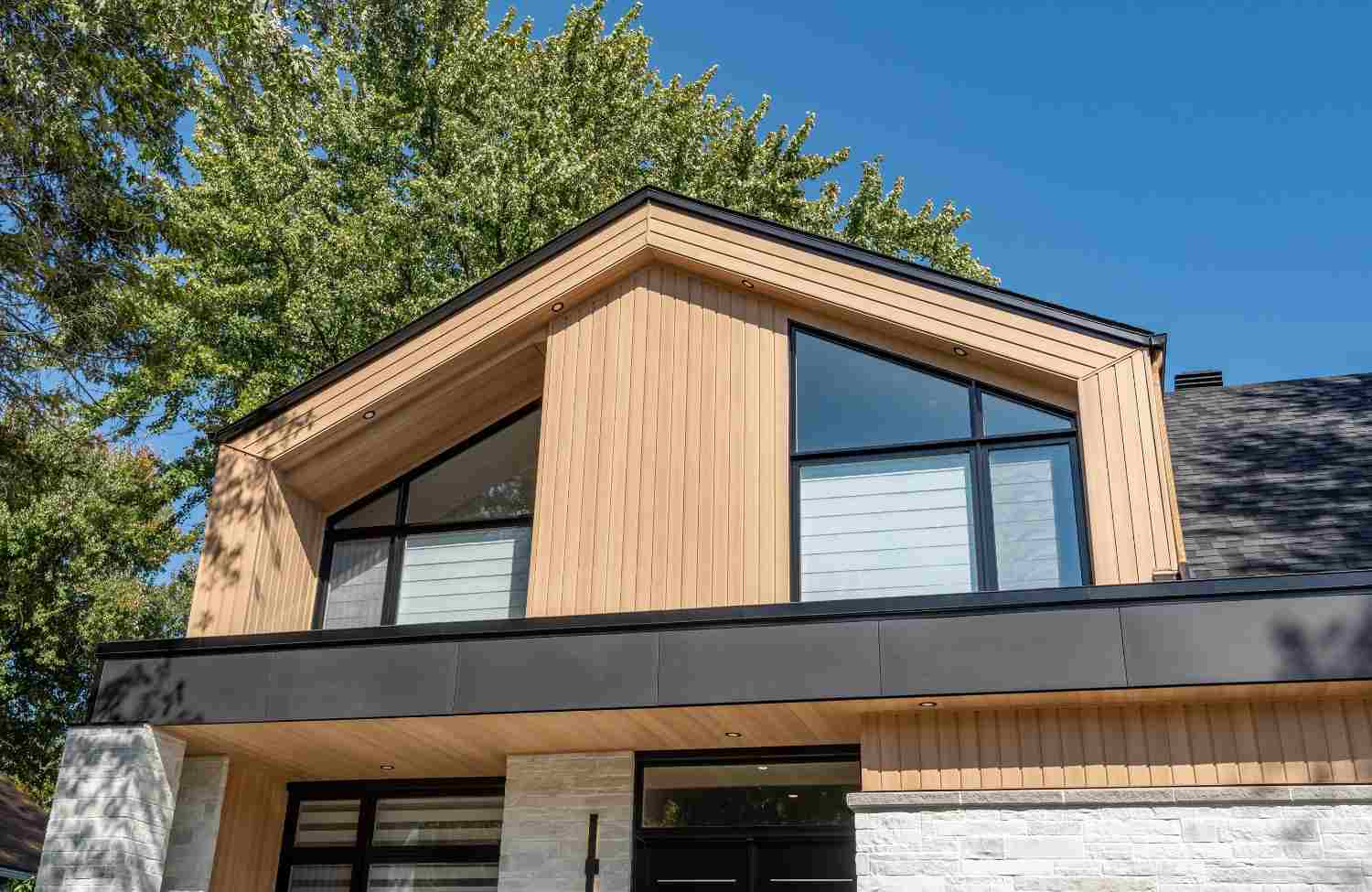
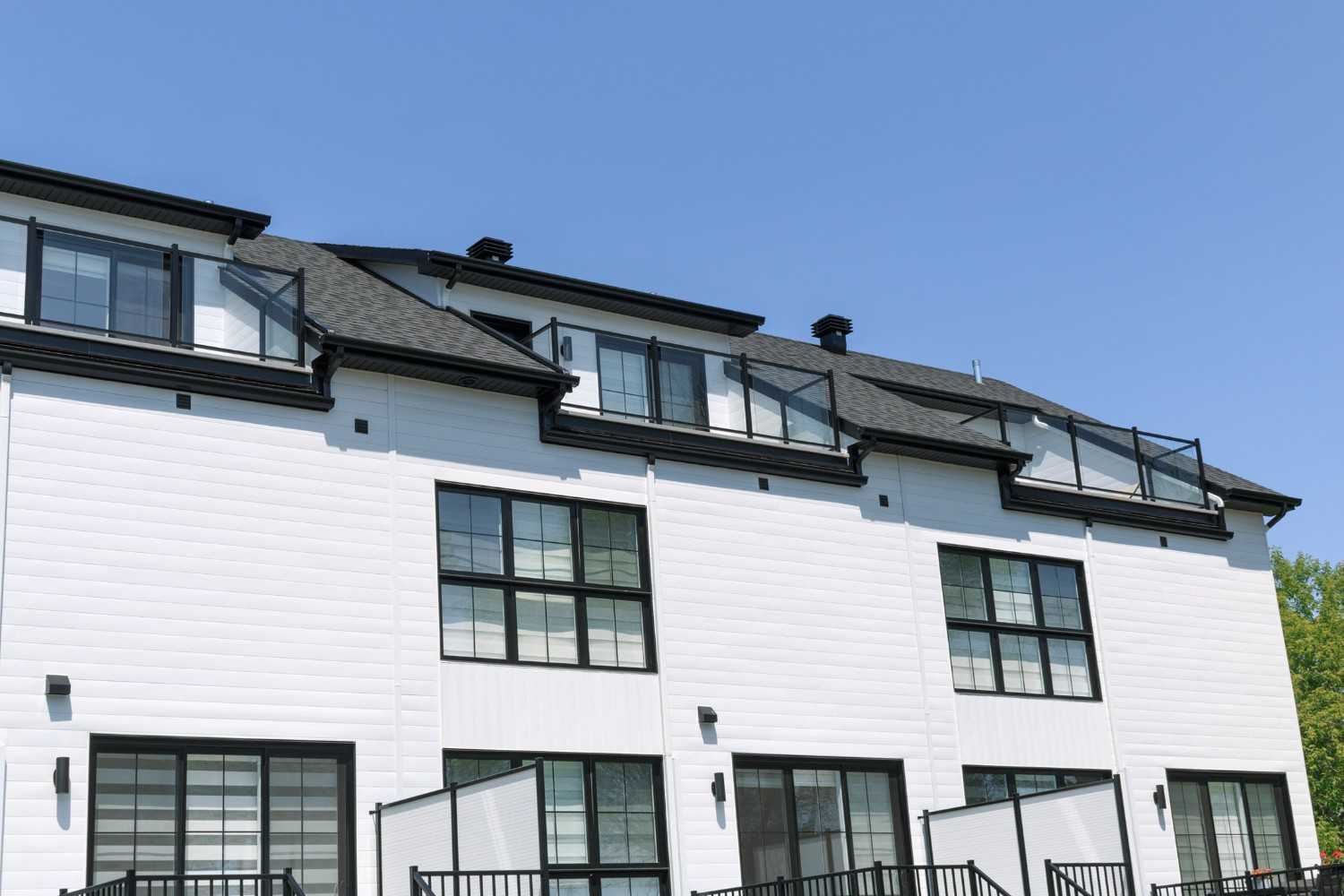
Vertical board-and-batten siding is popular for farmhouse and contemporary exteriors. Rialux's Bolton Collection uses a vertical board-and-batten profile and can be used on residential and light commercial projects.
Corrugated Profiles
For homeowners looking for a more industrial appearance, corrugated siding can create stronger texture and shadow lines. Rialux's Titan Collection uses a corrugated profile with an industrial look.
Wood-Look Profiles
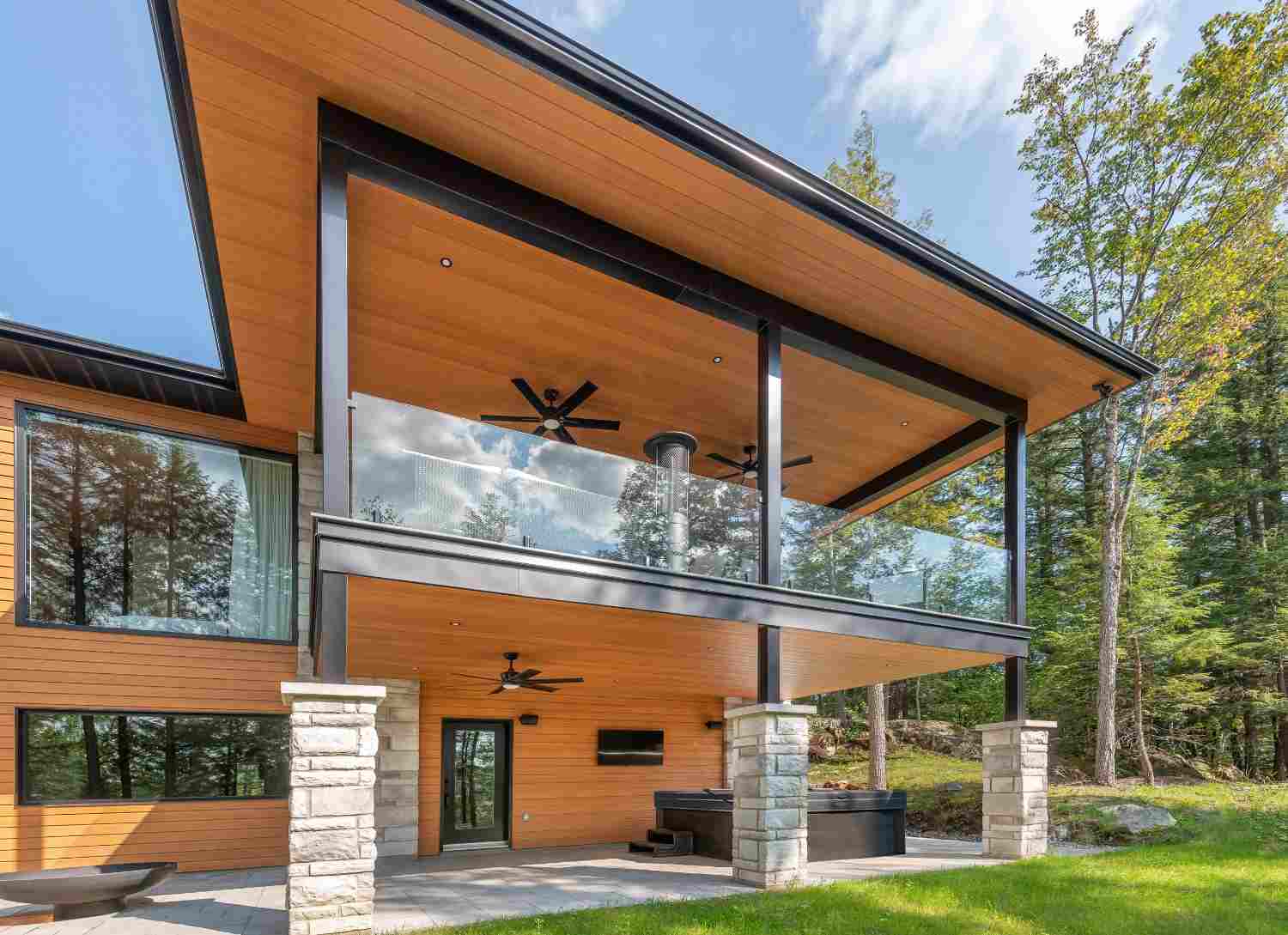
All of our aluminum siding collections feature a wood-look finish, giving homeowners the appearance of wood with the low maintenance of aluminum. The Bosco and Bosco Forte collections also feature a wood-inspired texture for added visual depth and a more natural-looking finish.
Step 6: Plan the Color and Material Combination
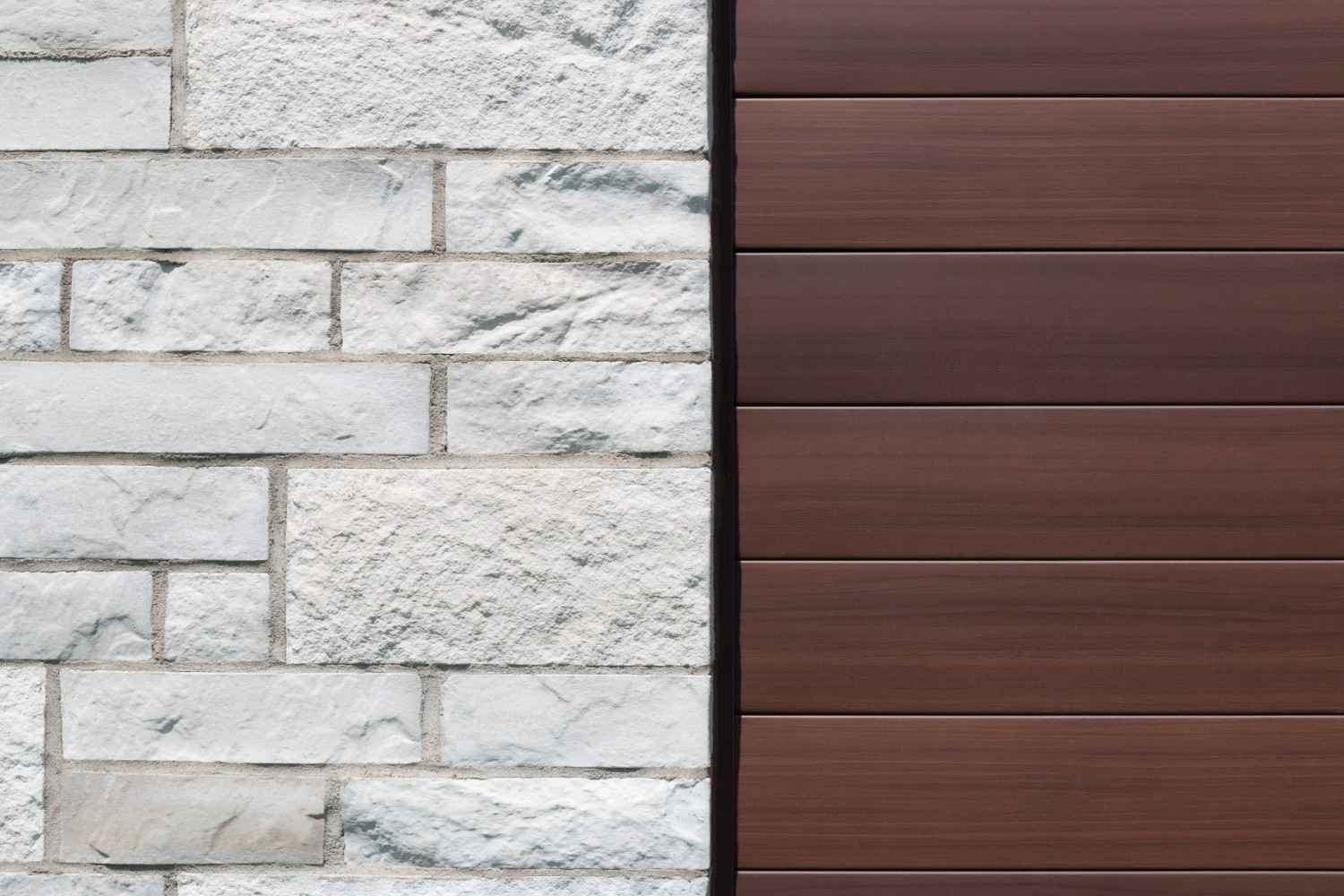
Siding should work with the other exterior materials rather than being selected on its own.
Consider how the siding will coordinate with:
- Roofing
- Windows
- Front door
- Garage door
- Stone or brick
- Soffit and fascia
- Landscaping
A simple palette often works better than using too many competing colors.
For example:
| Siding Approach | Complementary Materials |
|---|---|
| White siding | Black windows + natural wood |
| Charcoal siding | Light stone + white trim |
| Wood-look siding | Stone + dark metal accents |
| Black siding | Natural wood + lighter masonry |
| Grey siding | White trim + darker roofing |
Rialux also provides a Home Exterior Design Tool that allows homeowners to visualize Rialux siding with Rinox masonry products before making a final selection.
Step 7: Think About Installation Before Ordering Materials
The siding material is only part of the renovation.
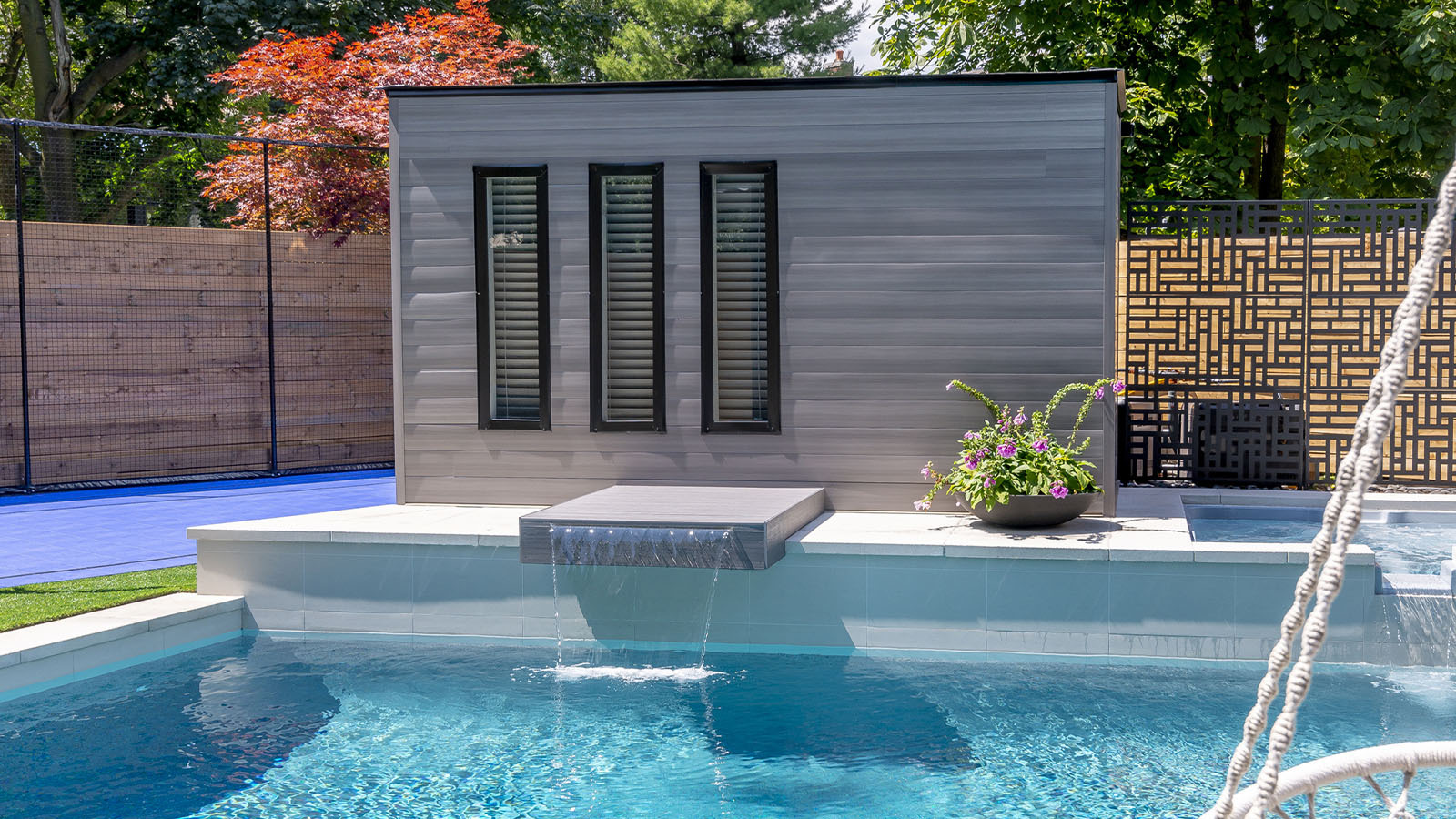
Installation planning should account for:
- Existing wall preparation
- Panel layout
- Windows and doors
- Corners and transitions
- Trim
- Fasteners
- Weather protection
- Expansion considerations
- Access for installers
Rialux provides technical data sheets and installation resources for its collections, including Tiago, Timberland, and Bolton.
Professional installation is recommended when you're replacing a large portion of the exterior or working with a complete cladding system.
Step 8: Plan the Details That Finish the Exterior
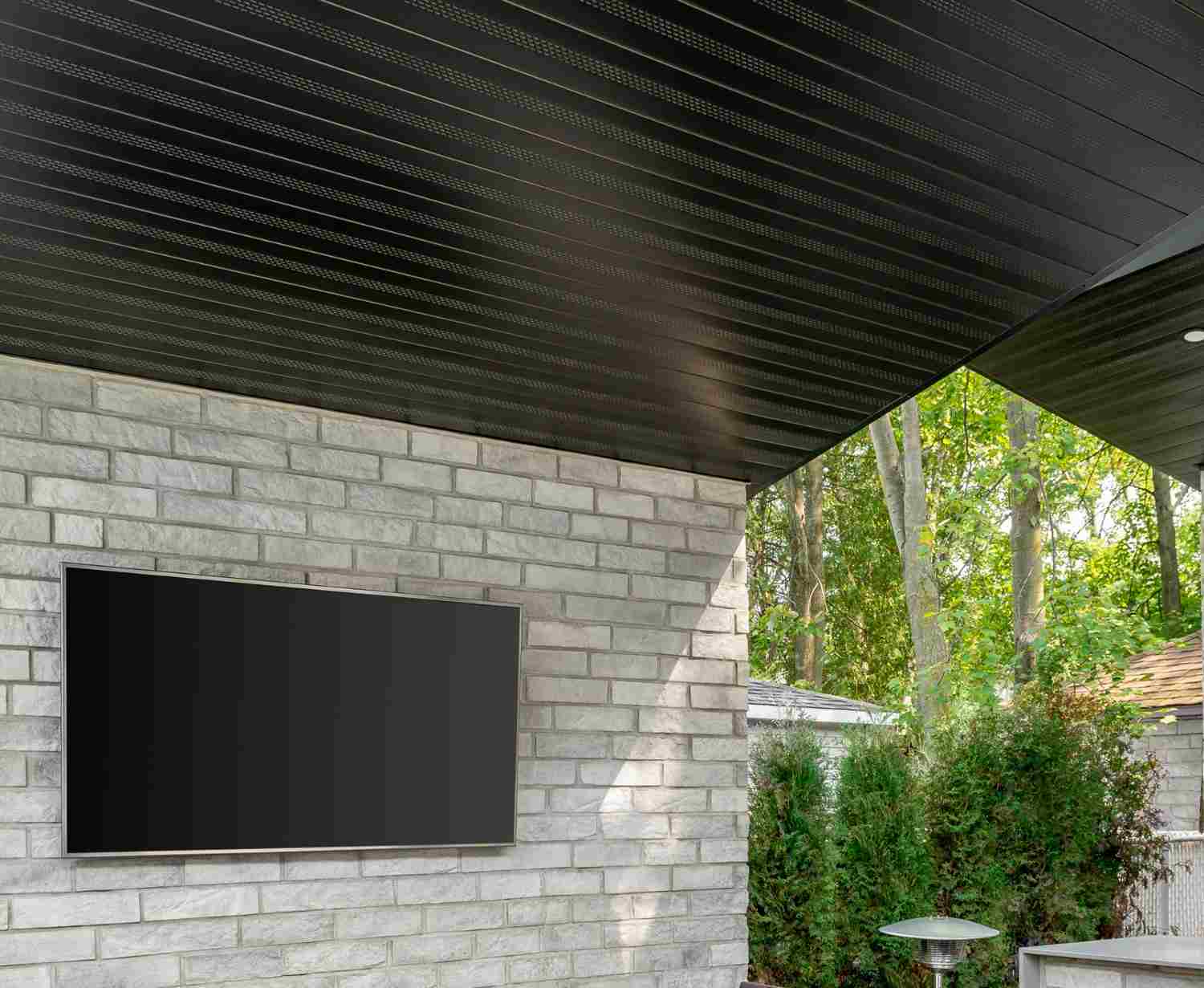
A siding renovation can look unfinished if the surrounding details aren't considered at the same time.
Review:
- Soffit
- Fascia
- Window trim
- Door trim
- Corner details
- Lighting
- House numbers
- Gutters
- Exterior doors
These components should coordinate with the siding rather than being treated as separate decisions.
Step 9: Plan Your Budget Around the Whole Project
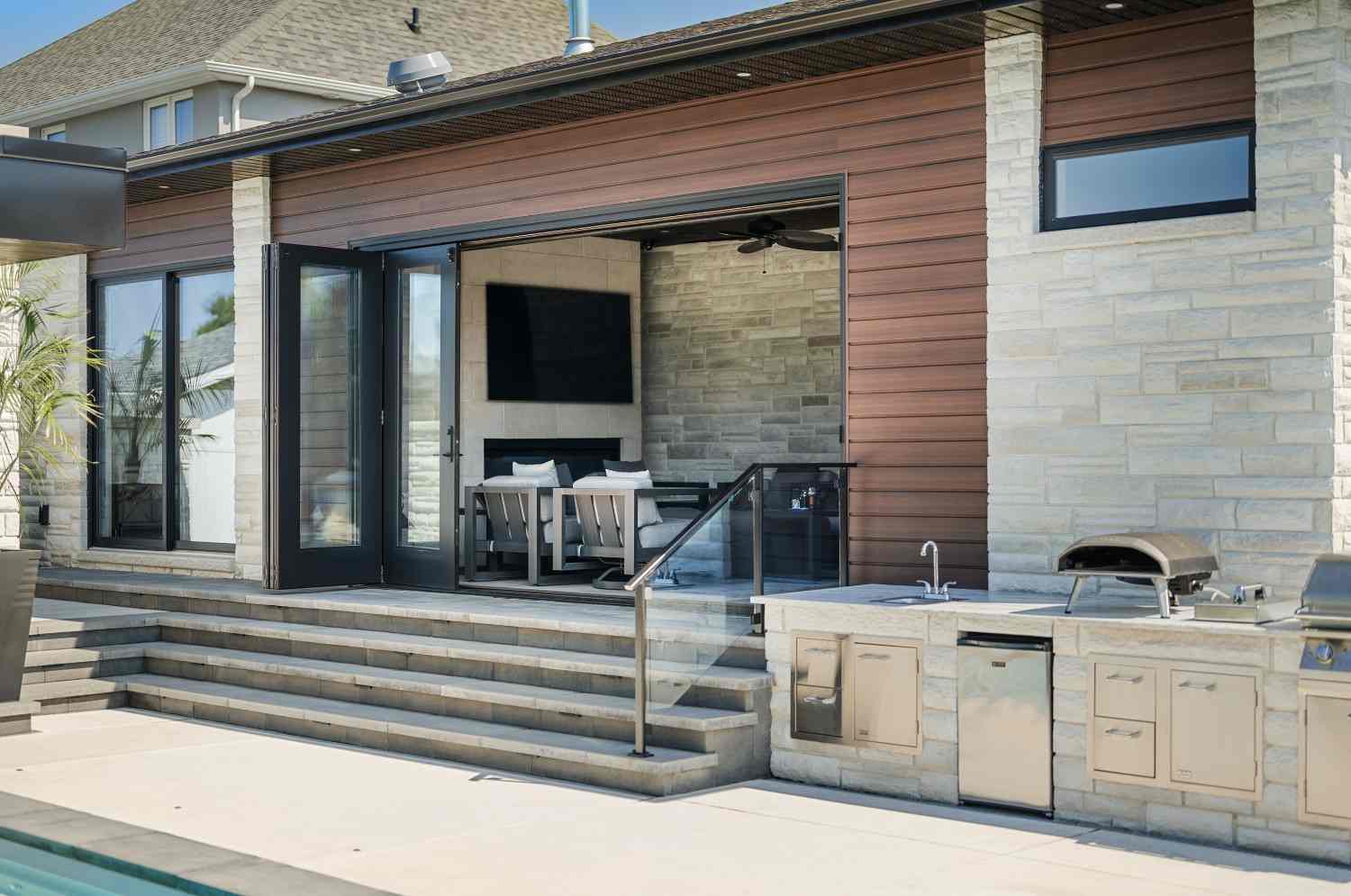
Siding is usually one of the largest components of an exterior renovation, but it isn't the only cost.
Your project may also include:
- Removal of existing siding
- Wall repairs
- New trim
- Flashing
- Labor
- Windows or doors
- Masonry
- Roofing changes
- Landscaping
- Waste removal
Don't choose the siding material before understanding the complete project scope.
For detailed siding pricing, refer to your dedicated Aluminum Siding Cost Guide rather than duplicating pricing information here.
Step 10: Review the Product Warranty
A warranty should be part of your material comparison.
Check:
- Warranty length
- What is covered
- Finish coverage
- Corrosion coverage
- Manufacturing defects
- Installation requirements
- Maintenance requirements
Our 25-year warranty provides coverage for our aluminum siding products. Please refer to our complete warranty terms for details about coverage and conditions.
Common Exterior Renovation Mistakes
Choosing Siding Before Inspecting the Exterior
Always understand the condition of the wall beneath the existing siding.
Focusing Only on Color
Color matters, but durability, climate, maintenance, and installation should also influence your decision.
Mixing Too Many Materials
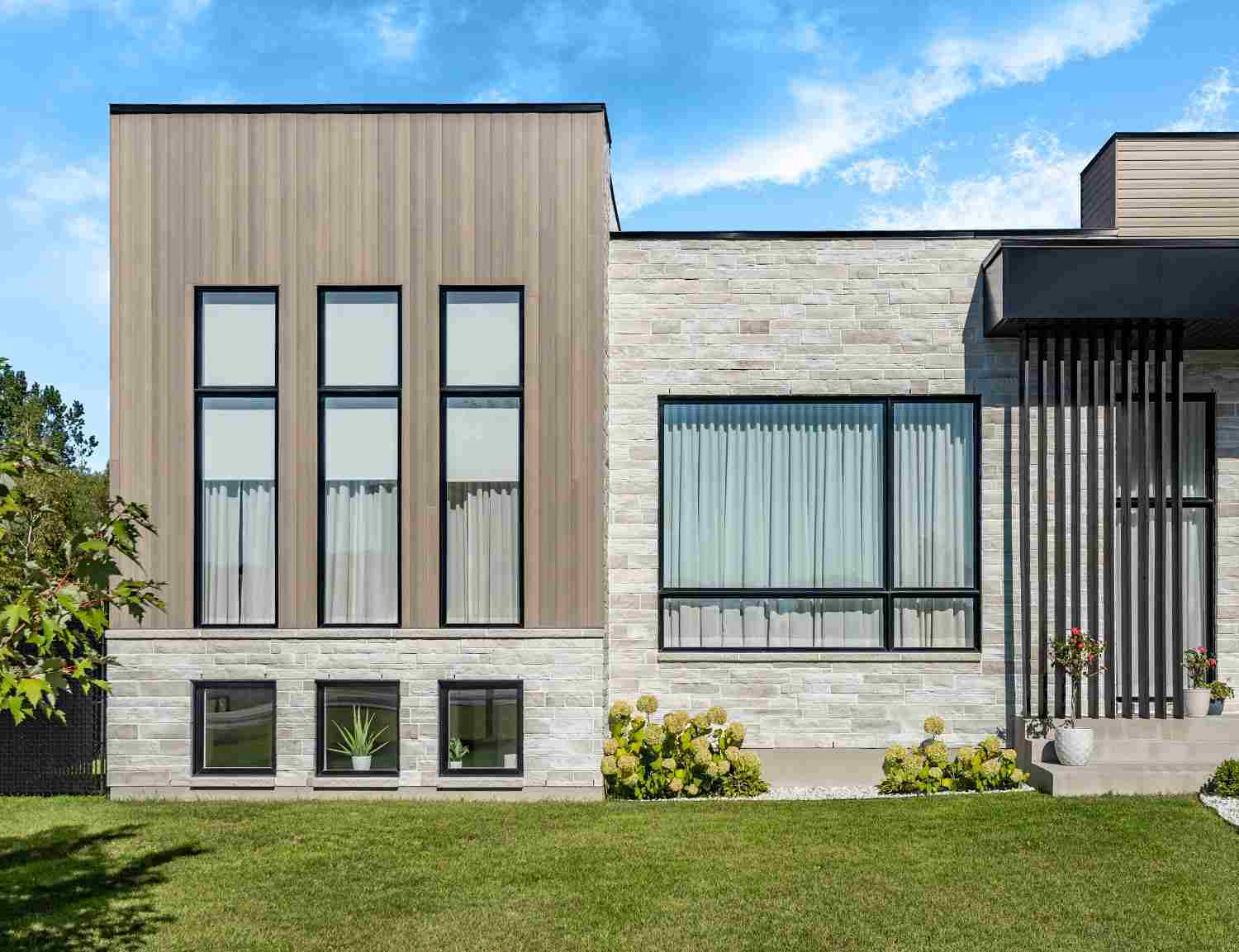
Stone, brick, wood, and siding can work together, but too many finishes may make the exterior feel disconnected.
Forgetting Trim and Finishing Details
Plan these components at the same time as the siding.
Ignoring Installation Requirements
Different siding systems have different installation requirements. Review the manufacturer's technical documentation before ordering.
Exterior Renovation Planning Checklist
- Inspect the existing exterior.
- Identify moisture or structural problems.
- Define your renovation goals.
- Set a project budget.
- Compare siding materials.
- Consider your local climate.
- Choose a siding profile.
- Select colors and finishes.
- Coordinate windows, doors, and masonry.
- Plan trim, soffit, and fascia.
- Review installation requirements.
- Compare warranty coverage.
- Order samples before making the final decision.
Conclusion
Planning an exterior home renovation becomes much easier when you approach it in stages. Start by assessing the existing exterior, define what you want to change, then compare siding materials based on climate, maintenance, appearance, installation, and long-term value.
Aluminum siding can be a practical option when you want a lightweight, rust-resistant exterior with low maintenance and multiple design possibilities. Rialux offers several collections with different profiles and finishes, including flat, channel, board-and-batten, wood-look, and corrugated options.
Take time to compare samples, plan the surrounding exterior details, review installation requirements, and understand the warranty before ordering materials.
Planning your renovation? Explore Rialux's aluminum siding collections and use the Home Exterior Design Tool to compare siding and masonry combinations for your project.