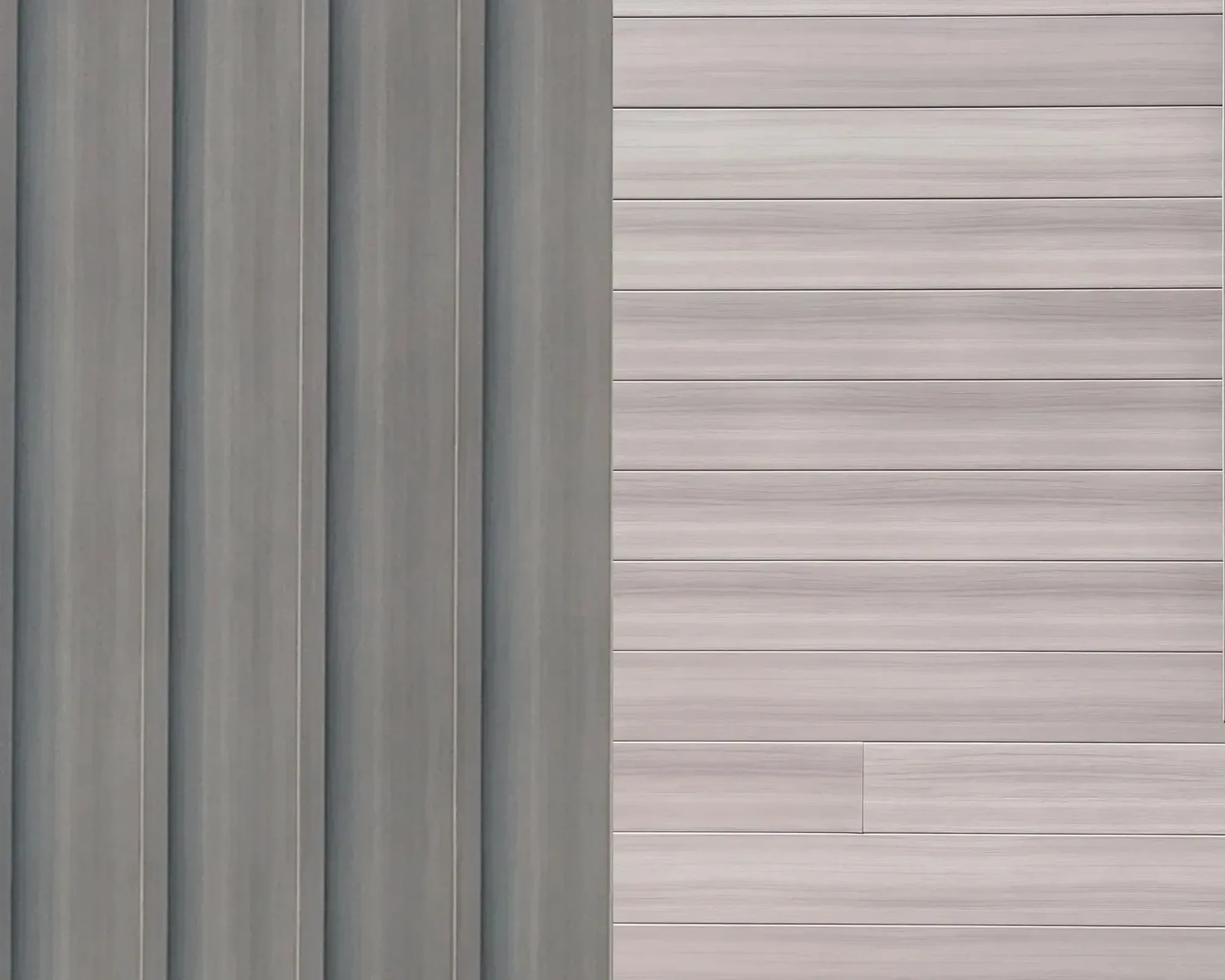
If you're planning your exterior, one question always comes up early, should you go with vertical siding or horizontal siding? At first, it feels like a simple design choice. But once you start looking deeper, the difference between horizontal vs vertical siding affects more than just appearance. It impacts installation, cost, maintenance, and even how your home is perceived from the street. Some homeowners prefer the clean lines of vertical siding. Others stick with the familiarity of horizontal siding. And many are now mixing both to create a more custom look.
If you're trying to figure out siding vertical or horizontal, this guide breaks it down in a way that actually helps you decide.
What Is Vertical Siding?
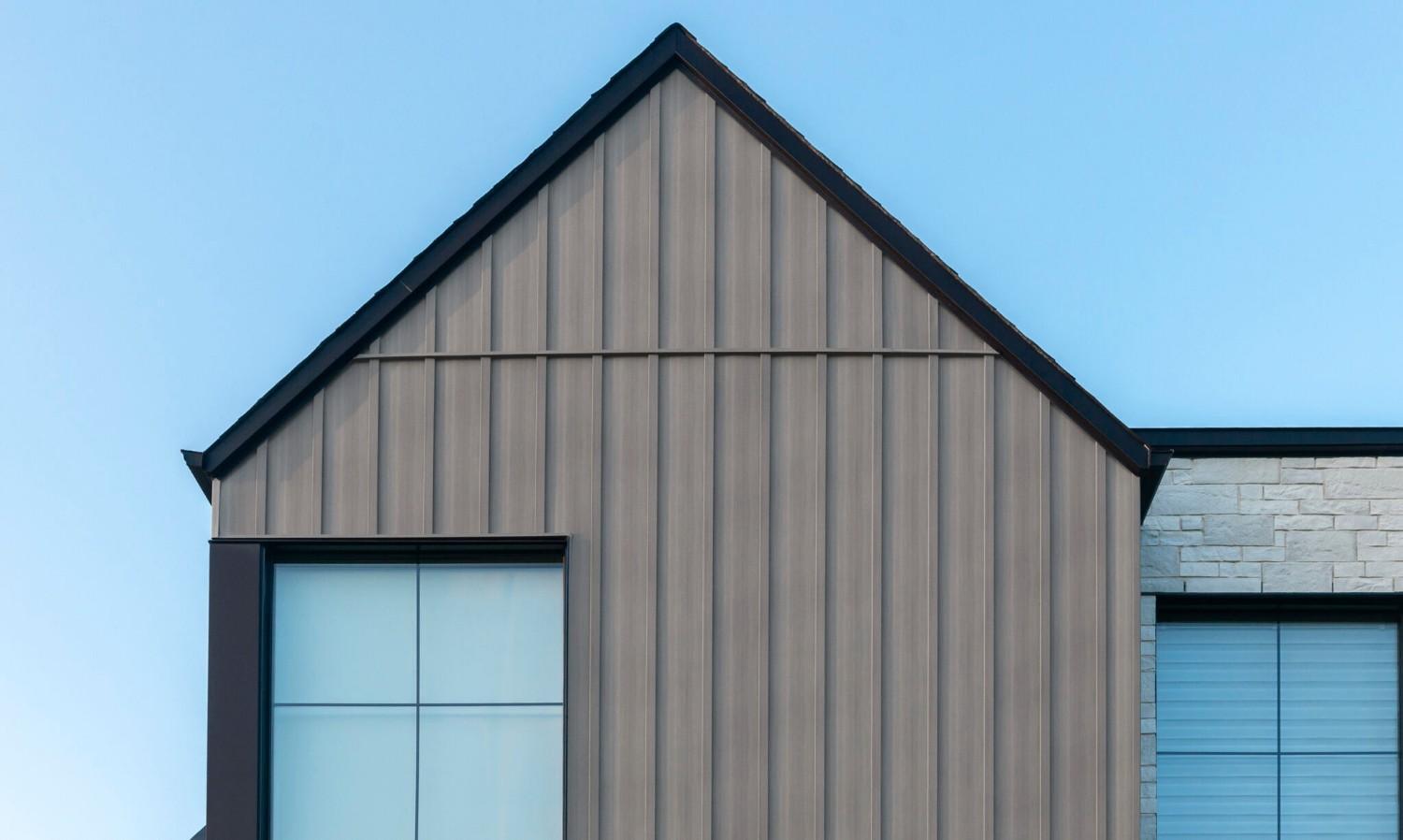
Vertical siding runs from top to bottom instead of across the wall. This creates a strong upward visual effect, which can make a home look taller and more defined.
You’ll often see vertical siding used in:
- Modern home designs
- Farmhouse-style exteriors
- Accent sections on facades
One of the most common styles here is board and batten, where wide boards are paired with narrow strips to cover the joints. It gives a structured, clean finish that stands out without being too busy. Today, many homeowners are moving toward aluminum instead of wood. It holds up better over time and requires less upkeep. If you look at modern options like the vertical aluminum siding available in the Bolton collection, you’ll notice how sharp and consistent the lines look compared to traditional materials.
When people compare vertical siding vs horizontal siding, this is usually the style they are thinking about first.
What Is Horizontal Siding?
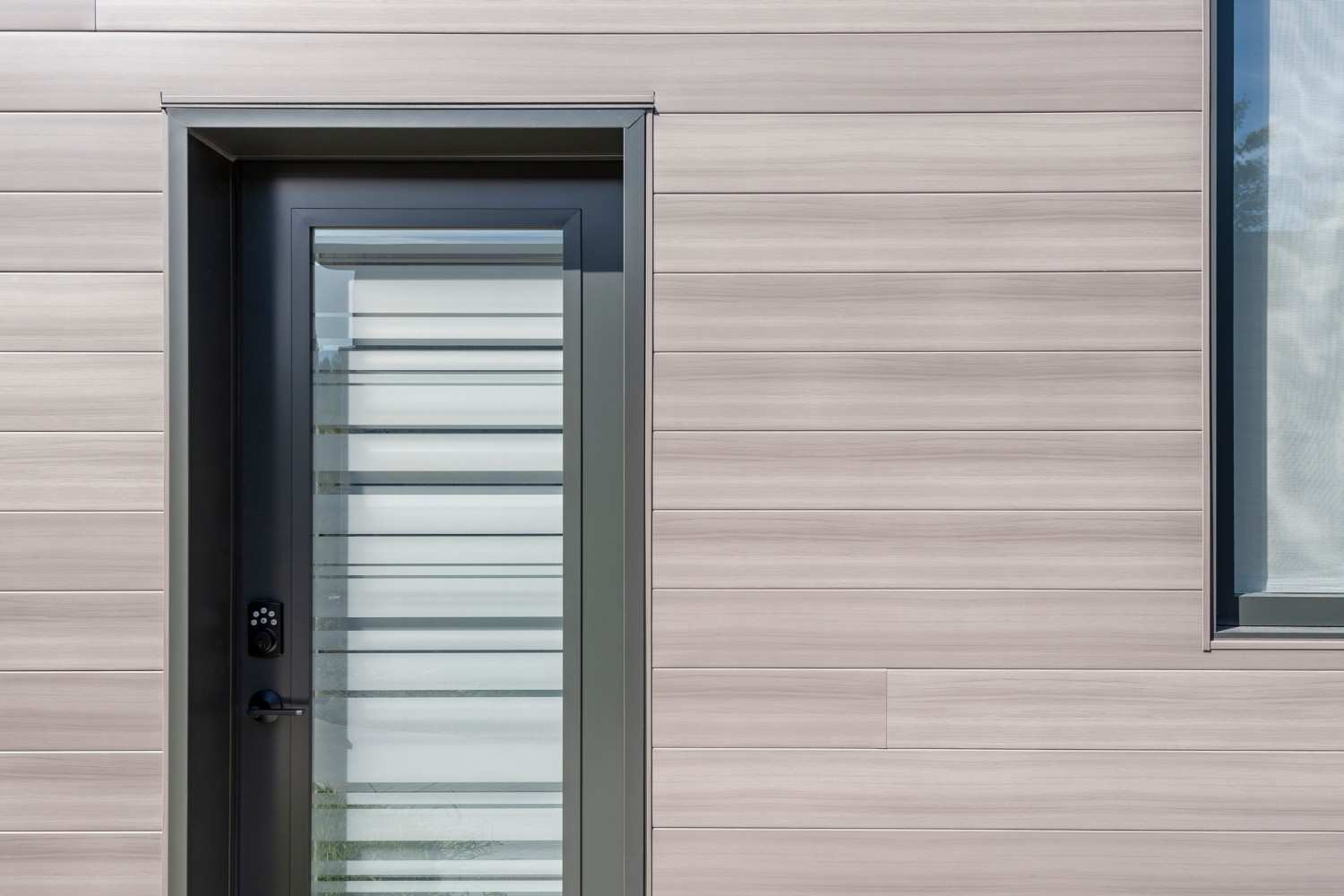
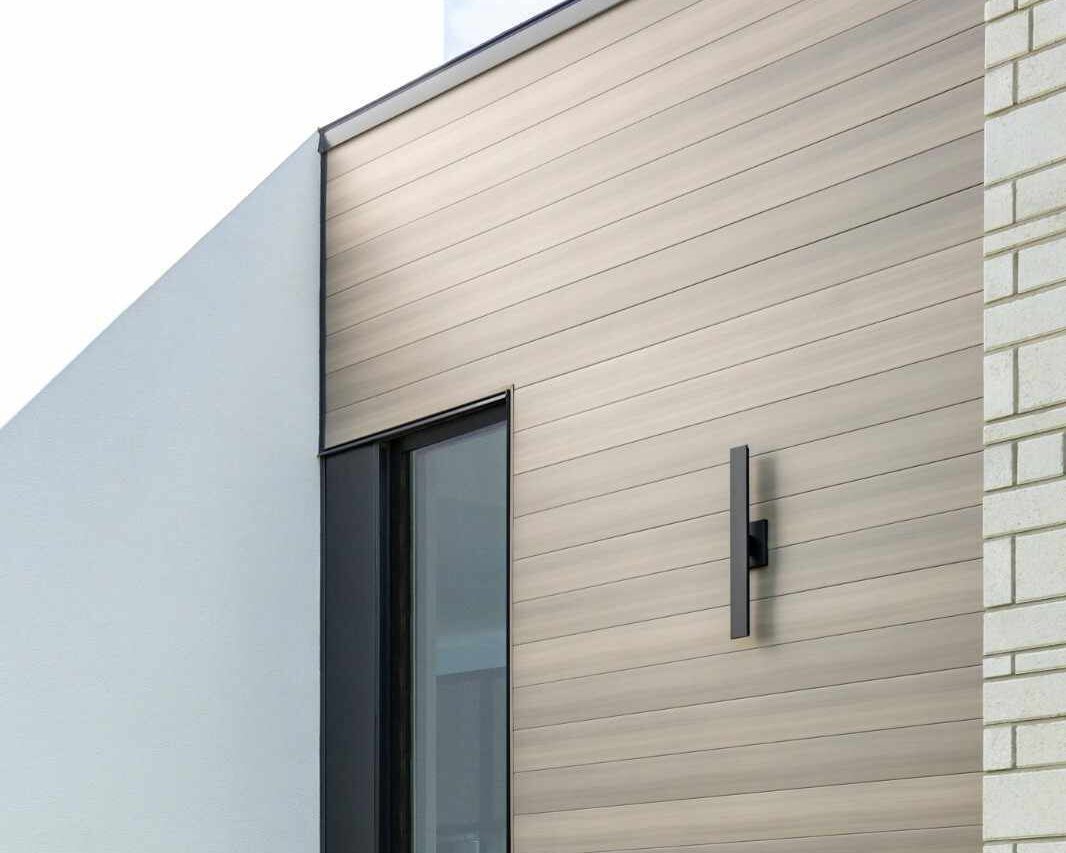
Horizontal siding is installed side to side across the wall. It’s the most widely used siding style, mainly because it works with almost every type of home.
You’ll see horizontal siding on:
- Traditional houses
- Suburban homes
- Larger residential builds
It creates a wider visual effect, making the home feel more grounded and balanced. Another reason horizontal siding is so common is simplicity. It’s easier to install and usually more cost-effective, especially on bigger surfaces. If you're exploring options, you can check different aluminum finishes and profiles through aluminum siding panels where you’ll find a range of styles for horizontal siding that fit both modern and classic homes. When people ask about siding vertical vs horizontal, horizontal siding is usually the starting point because it’s familiar and proven.
Vertical vs Horizontal Siding: Key Differences
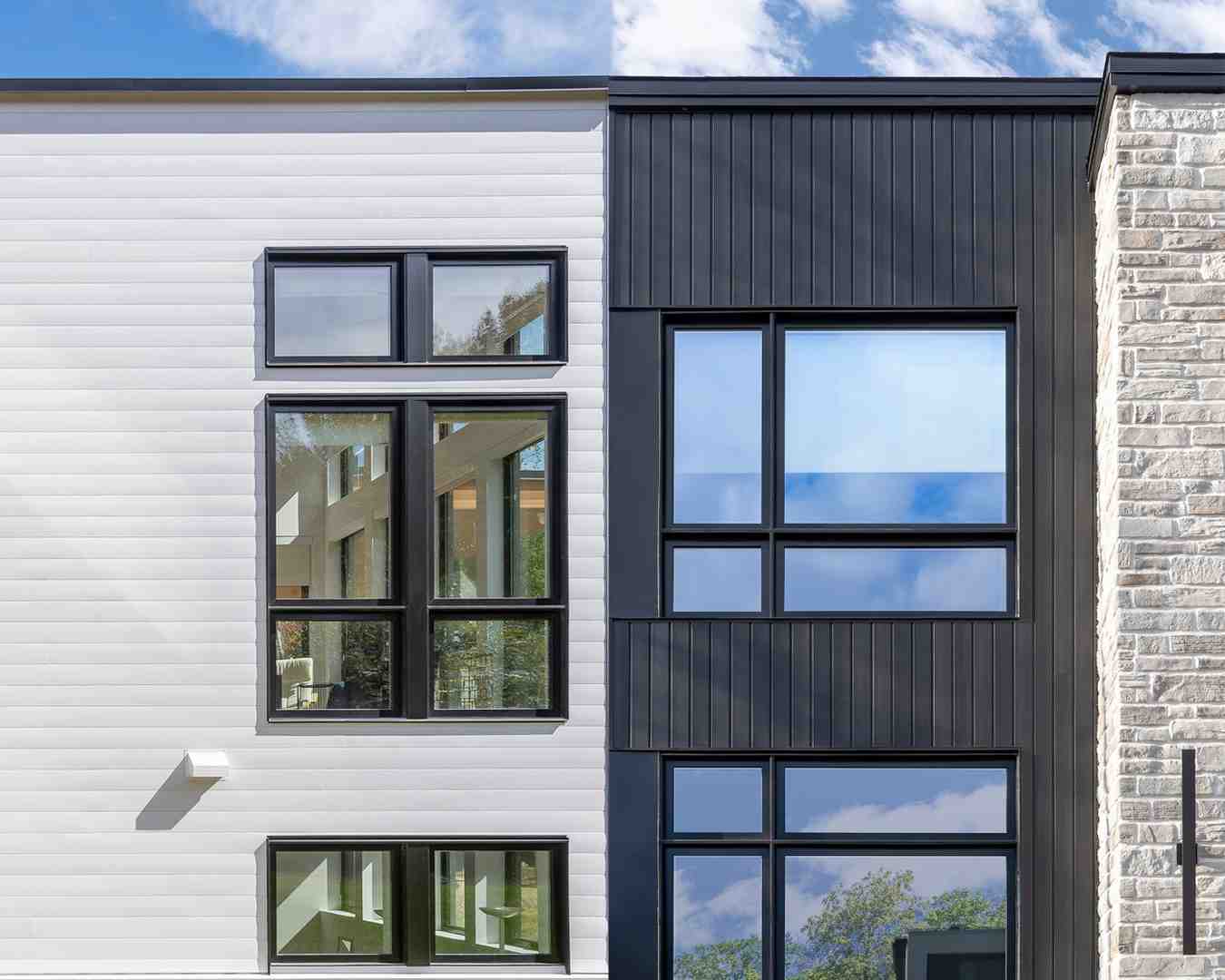
When you compare vertical siding and horizontal siding, it helps to look at how each performs in real situations, not just how it looks in pictures.
1. Appearance and Design Impact
- Vertical siding creates height. It draws the eye upward and works well for modern homes or smaller structures.
- Horizontal siding creates width. It gives a more traditional and balanced look that fits most neighbourhoods.
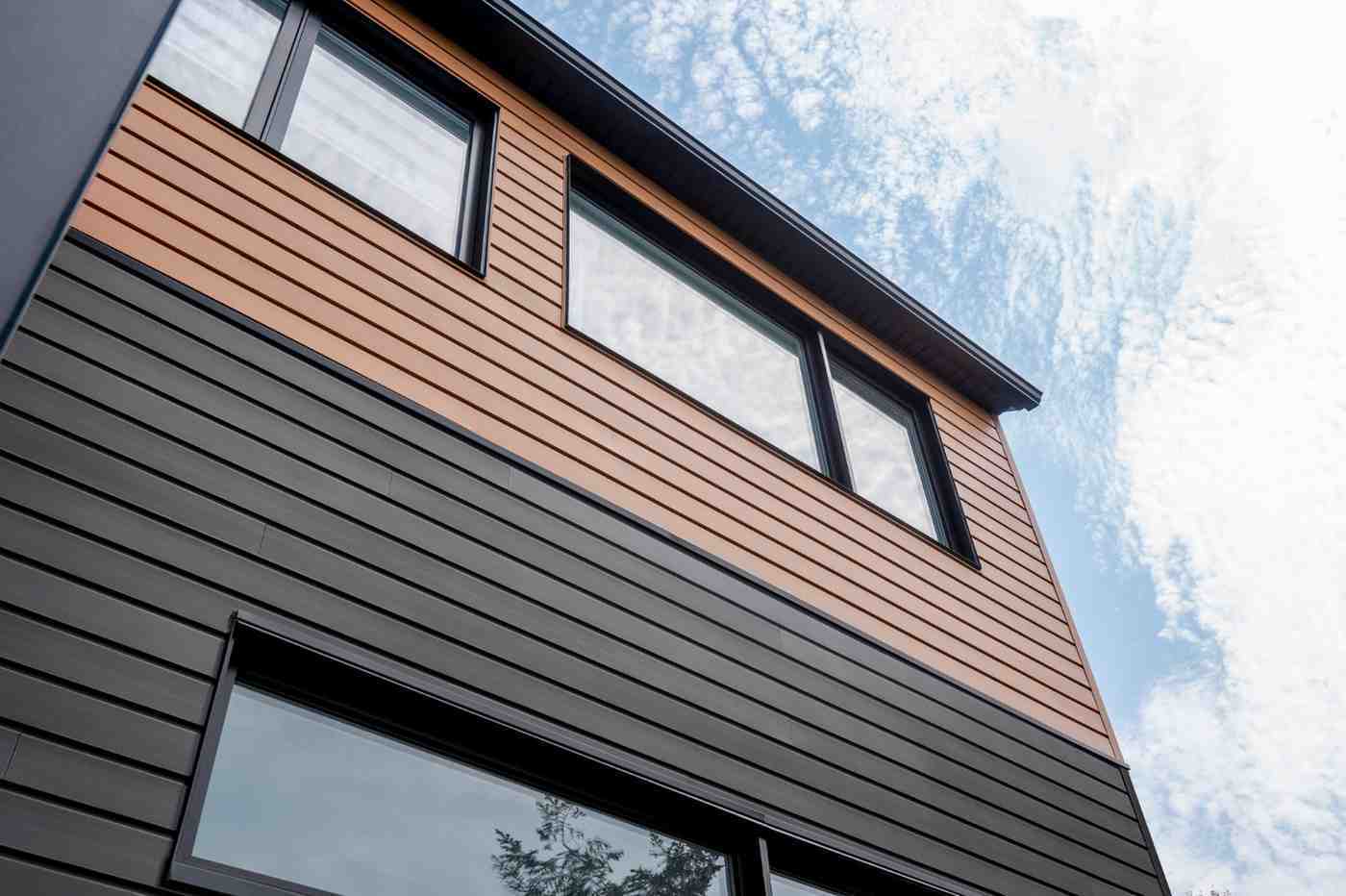
You’ll also see more projects today using both styles together. A house with vertical and horizontal siding can look more dynamic without feeling overdesigned.
2. Installation and Structure
- Horizontal siding is more straightforward. It follows a standard installation process that most contractors are familiar with.
- Vertical siding takes a bit more preparation. It usually requires a framework behind it to allow proper drainage and airflow.
This difference is one reason why people often compare horizontal vs vertical siding before making a decision.
3. Maintenance and Durability
- Vertical siding allows water to run straight down, which helps reduce buildup over time.
- Horizontal siding has overlapping sections, so it can collect dust or debris more easily, especially in certain climates.
That said, both perform well when installed properly, especially when using aluminum materials.
Cost of Vertical Siding vs Horizontal
When comparing the cost of vertical siding vs horizontal, vertical siding is usually a bit more expensive. The difference is not drastic, but it becomes more noticeable on larger projects.
The main reason comes down to installation.
La principale raison vient de l’installation:
Vertical siding often requires extra preparation. In many cases, contractors need to install furring strips behind the panels to allow proper airflow and drainage. This adds time and increases labor costs. There is also less room for error. Vertical lines are more visible, so everything needs to be aligned properly, which can slow down the installation process.
Horizontal siding is simpler to install. It follows a standard method that most contractors are used to, which helps keep labor more predictable and affordable.
Material costs can vary depending on the style and finish, but overall:
- Vertical siding usually costs more because of the installation work
- Horizontal siding is more budget-friendly, especially for larger areas
It’s also worth thinking beyond the upfront cost. Some homeowners are willing to spend more on vertical siding because of the cleaner and more modern look it brings, especially when used on key sections of the home. So while horizontal vs vertical siding often comes down to budget, it also depends on how much value you place on the final appearance.
Board and Batten vs Horizontal Siding
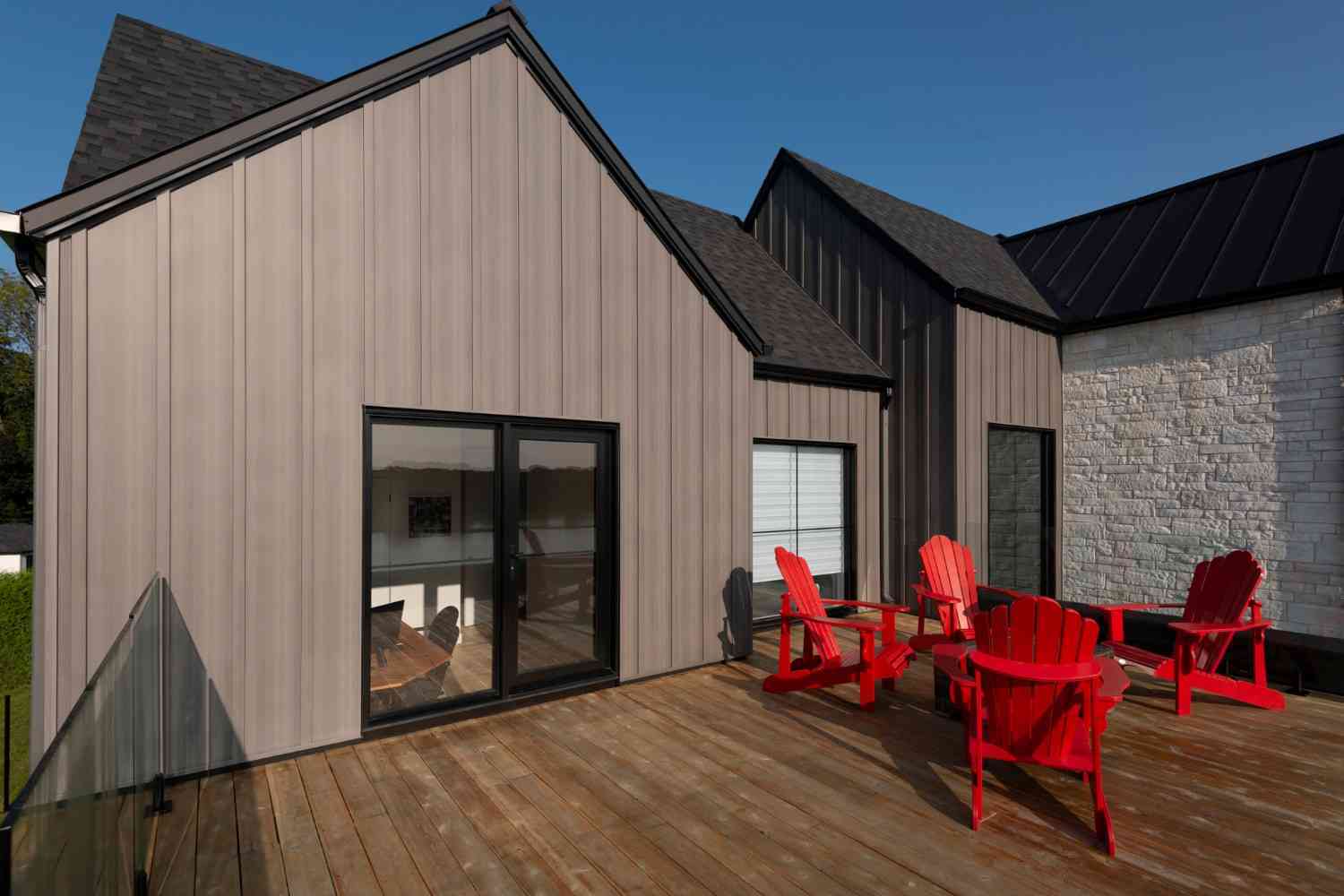
The debate between board and batten vs horizontal siding comes down to style and how bold you want your exterior to look. Board and batten siding gives you strong vertical lines and a more defined appearance. It stands out more and is often used in modern or farmhouse-style homes. Horizontal siding is more subtle. It blends in easily and works across a wide range of home styles.
If you're considering a vertical option, it’s worth looking at aluminum siding option like the board and batten siding in the Bolton collection. It gives that vertical look without the maintenance issues that come with wood. This is usually where homeowners start narrowing down siding vertical or horizontal based on design preference.
Can You Combine Vertical and Horizontal Siding?
Yes, and this is where a lot of modern designs are heading.
Instead of choosing one direction, many homeowners are mixing both to create contrast. A common approach is:
- Horizontal siding for the main walls
- Vertical siding for accents or upper sections
This works especially well in a house with vertical and horizontal siding, where the combination adds depth without making the exterior feel busy.
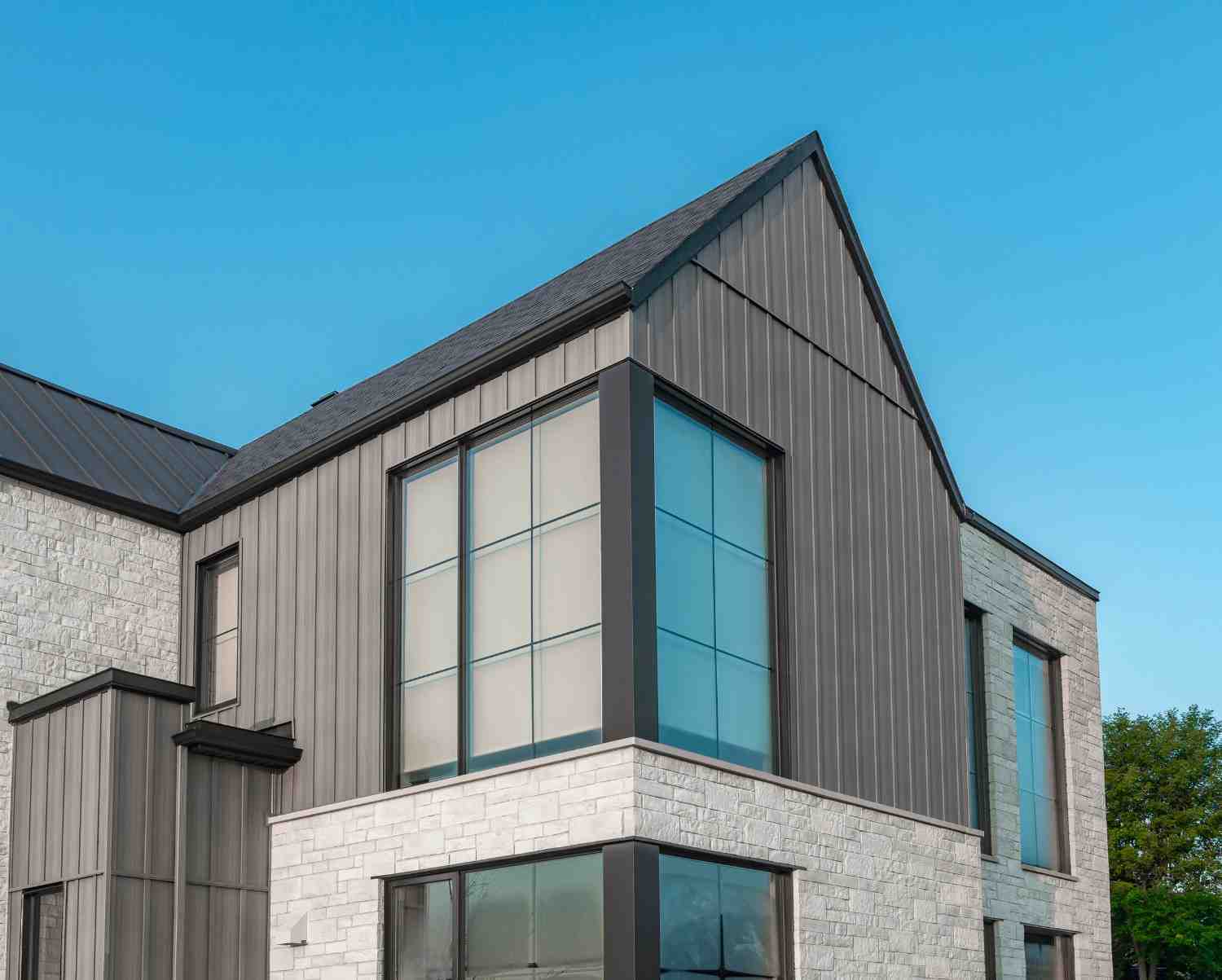
To take it a step further, many designs also include masonry materials.
For example:
- Masonry bricks can add a grounded, classic feel
- Masonry stones bring texture and variation
You can mix finishes using aluminum siding panels to create contrast between vertical and horizontal sections without changing materials completely. This approach works well when you want something more custom without overcomplicating the design.
How to Choose Between Vertical and Horizontal Siding?
If you're still deciding between horizontal vs vertical siding, it helps to break it down based on your priorities.
1. Based on Home Style
Modern homes often work better with vertical siding or a mix of both.
Traditional homes usually look more natural with horizontal siding.
2. Based on Budget
Horizontal siding is usually more affordable.
Vertical siding may cost more upfront, especially when you factor in installation.
3. Based on Maintenance
Both options are low maintenance when using aluminum, but vertical siding may need slightly less cleaning over time.
4. Based on Visual Goals
If you want your home to look taller, vertical siding makes sense.
If you want a balanced and familiar look, horizontal siding is the better choice.
When Vertical Siding Makes More Sense?
Vertical siding is a strong choice when design matters more than keeping things standard.
It works well for:
- Modern homes
- Accent walls
- Entry sections
Many homeowners today prefer aluminum for vertical applications because it holds its finish and shape over time. Rialux provides aluminum vertical siding panels that are built for long-term exterior use. You can see examples in collections like Timberland and Bolton, both designed to deliver clean vertical lines without ongoing maintenance issues.
If you're leaning toward vertical siding vs horizontal siding, this is where vertical starts to make more sense.
When Horizontal Siding Is the Better Choice?
Horizontal siding remains the safer option for most homeowners.
It works best for:
- Traditional designs
- Large exterior surfaces
- Budget-conscious projects
Rialux, an aluminum siding manufacturer, provides a wide range of styles and patterns in horizontal aluminum siding, making it easier to match different architectural styles without limiting design flexibility.
For example:
- Tiago collection offers a flat & modern look.
- Wood look siding gives a natural appearance that mimics natural wood
- Corrugated siding adds texture and depth especially for industrial siding
Rialux provides horizontal aluminum siding panels that work across different styles, making them a flexible choice for residential exteriors.
Conclusion: Vertical vs Horizontal Siding
There’s no single right answer when it comes to horizontal vs vertical siding.
Vertical siding stands out more. It adds height and gives a modern edge.
Horizontal siding feels familiar. It’s easier to install and usually more budget-friendly.
If you want something unique, a house with vertical and horizontal siding can give you the best of both.
In the end, the decision comes down to your home, your budget, and the kind of look you want to live with long-term.